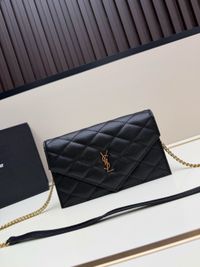
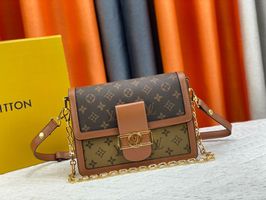
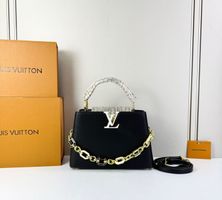
A Louis Vuitton Crossbody Bag can become a natural part of an everyday wardrobe when it works with the way you actually dress.A luxury accessory does not always need a formal outfit to make an impression.It can look just as comfortable with denim,casual jackets,and simple everyday pieces.
Many people choose crossbody bags because they combine convenience with a polished appearance.The hands-free design makes them suitable for busy days,while the structured shape can add refinement to relaxed outfits.
Good styling often comes from simplicity.A coffee run in the morning,a walk through the city,or dinner with friends can all call for slightly different outfit choices.Exploring different Louis Vuitton crossbody styles can also provide inspiration for finding a design that matches your personal wardrobe.
Why Styling Matters When Wearing a Crossbody Bag
A luxury bag becomes more enjoyable when it fits naturally into your daily routine.Instead of keeping it only for special events,styling it with everyday clothing allows it to become part of your regular wardrobe.
A crossbody bag works well because it adds a finished touch without requiring a complicated outfit.A simple combination of jeans and a shirt can feel more intentional with the right accessory,while a more refined outfit can become more relaxed with a casual styling approach.
When creating an outfit,consider:
**Balance:**The bag should complete the look rather than distract from it.
**Color coordination:**Similar tones or complementary shades usually create a more natural combination.
**Personal style:**The best outfits reflect your own habits and preferences.
**Comfort:**A stylish look should still feel easy to wear.
The purpose of styling is not to create a strict fashion rule.It is to make the accessory feel like it belongs with the clothes you already enjoy wearing.
Casual Street Style With a Louis Vuitton Crossbody Bag
A crossbody bag pairs naturally with casual street style.The contrast between relaxed clothing and a luxury accessory can create a modern everyday look.
Some simple combinations include:
Denim jeans with a basic shirt
Sneakers with a casual jacket
Straight-leg trousers with a sweater
Relaxed weekend outfits
For example,a white T-shirt,blue jeans,and sneakers can create a simple foundation.A structured crossbody bag adds a more polished element without making the outfit feel too formal.
This type of styling works well for:
Coffee shops
City walks
Shopping trips
Weekend meetups
The key is keeping the outfit comfortable while allowing the bag to add personality.
Creating a Minimalist Luxury Look
Minimalist fashion focuses on clean shapes,neutral colors,and carefully selected pieces.A crossbody bag fits well into this style because it can add sophistication without making the outfit feel excessive.
A minimalist combination may include:
Neutral sweaters
White shirts
Tailored trousers
Simple footwear
Black,white,beige,and gray clothing often creates a timeless foundation.These colors allow the accessory to become part of the overall outfit instead of feeling separate.
For people who prefer a smaller wardrobe built around versatile pieces,this approach makes a luxury bag easier to wear throughout the week.
Styling for Modern City Outfits
City outfits often combine comfort and personality.A crossbody bag works well with this style because it allows freedom of movement while keeping the overall appearance refined.
Common combinations include:
Leather jackets with simple tops
Layered shirts with casual outerwear
Relaxed trousers with sneakers
Structured coats during colder months
A busy day in the city may include commuting,shopping,meeting friends,or visiting cafés.A practical outfit with a well-chosen accessory can move easily between these moments without feeling overdressed.
The bag does not need to match every piece perfectly.Instead,it should connect the different elements of the outfit and create a balanced appearance.
Day-to-Night Outfit Transitions
One of the advantages of a well-styled crossbody bag is that it can adapt throughout the day.
A daytime look may include:
Casual shirts
Denim pieces
Comfortable shoes
Lightweight layers
For an evening plan,the same bag can work with:
A simple dress
A structured jacket
Refined accessories
More polished footwear
Small changes in clothing can completely change the feeling of an outfit.The bag itself can remain the same while the overall style becomes more suitable for a different moment.
Seasonal Styling Ideas
A crossbody bag can be worn throughout the year because different seasons create new styling opportunities.
Spring and Summer Styling
Warmer months usually call for lighter fabrics and simpler combinations.
Common choices include:
Linen shirts
Lightweight dresses
Denim jackets
Casual sneakers
During spring and summer,a crossbody bag can add structure to relaxed outfits while keeping the overall appearance fresh.
Fall and Winter Styling
Cooler seasons allow more layering and texture.
Common combinations include:
Wool coats
Knit sweaters
Leather jackets
Boots
A structured accessory can create contrast with heavier clothing and make layered outfits feel more balanced.
Matching Colors With Your Outfit
Color plays an important role in styling a crossbody bag.The goal is not to create an exact match,but to build a combination that feels connected.
Neutral Color Styling
Neutral shades are often easy to wear because they work with many wardrobes.
Examples include:
Black bags with monochrome outfits
Brown tones with beige and cream clothing
Classic patterns with denim
These combinations create a timeless appearance that works for many everyday situations.
Adding Personality With Color
For those who enjoy more expressive fashion,a crossbody bag can become a stronger visual element.
A distinctive color or pattern often works best when the rest of the outfit remains simple.This allows the accessory to stand out without making the entire look feel overwhelming.
Styling a Crossbody Bag With Different Fashion Personalities
The same type of bag can create different impressions depending on personal style.
Classic Style
A classic wardrobe often includes:
Blazers
Simple shirts
Straight-leg trousers
Leather shoes
A crossbody bag can add a modern element while maintaining a refined appearance.
Casual Style
A relaxed wardrobe may include:
Jeans
Sneakers
Hoodies
Everyday jackets
The combination of casual clothing and a luxury accessory can create a comfortable but polished look.
Contemporary Style
A more modern fashion approach may include:
Oversized pieces
Layered outfits
Mixed textures
Statement accessories
The most natural styling choices are usually the ones that fit the way you already live.
Finding the Right Size for Different Styling Preferences
Although styling is mainly about clothing and personal expression,the size of a crossbody bag can also influence the final appearance.A compact design may create a lighter visual effect,while a larger style can add more presence to an outfit.
A smaller bag often works well with minimalist clothing and lighter looks,while a larger design may complement layered outfits or more relaxed styles.
For more details about how different sizes work for daily use and various needs,our louis vuitton crossbody bag size guide explains how different sizes fit different lifestyles and carrying preferences.
Caring for Your Crossbody Bag After Styling
A luxury accessory becomes more valuable when it remains in good condition over time.Proper storage,regular cleaning,and careful handling can help maintain its appearance.
Different materials may require different care methods,especially when it comes to protecting finishes,hardware,and surface details.
For more information about maintaining your bag and protecting its appearance,our louis vuitton crossbody cag care guide explains important care tips for long-term use.
Common Styling Mistakes to Avoid
Making the Outfit Too Busy
A designer bag often works best when other elements remain balanced.Too many patterns,colors,or statement pieces can make the outfit feel less organized.
Allowing the bag to stand out as one of the main details often creates a cleaner appearance.
Ignoring Outfit Proportions
The relationship between clothing shapes and accessories can influence the overall look.
For example,an oversized jacket may create a different feeling with a small crossbody bag compared with a larger structured style.Choosing combinations that feel balanced usually creates a more comfortable appearance.
Following Trends Without Considering Personal Style
Fashion trends can provide inspiration,but the best outfits are usually the ones that fit your everyday routine.
A style that looks good online may not always feel natural in real life.The most wearable combinations are the ones that match your personality and lifestyle.
Forgetting Comfort
A stylish outfit should still allow you to move comfortably.A bag that works well with your daily activities is more likely to become a piece you enjoy using regularly.
Frequently Asked Questions About Styling a Louis Vuitton Crossbody Bag
How can I style a Louis Vuitton Crossbody Bag casually?
A Louis Vuitton Crossbody Bag can be paired with everyday clothing such as jeans,sneakers,and simple tops.The combination of casual pieces and a luxury accessory creates a relaxed but refined appearance.
Can a luxury crossbody bag work with streetwear?
Yes.Luxury accessories can create an interesting contrast with streetwear pieces such as denim,jackets,and sneakers.The mix of casual and refined elements often creates a modern look.
Should my bag match my outfit exactly?
No.The bag does not need to have the same color as your clothing.Complementary colors and balanced combinations usually create a more natural style.
Can I wear a crossbody bag for both daytime and evening outfits?
Yes.A well-styled crossbody bag can work across different moments of the day.By changing clothing,shoes,and accessories,the same bag can create different impressions.
Final Thoughts: Making a Crossbody Bag Part of Your Personal Style
Styling a Louis Vuitton Crossbody Bag is about creating a natural connection between your accessory and your wardrobe.The best combinations usually come from clothing choices that feel comfortable and reflect your personal taste.
Whether you prefer casual streetwear,minimalist outfits,or modern city fashion,a crossbody bag can become a versatile part of your daily style.
The most enjoyable luxury pieces are the ones that fit into real life.A bag that works with your favorite outfits can become more than an accessory—it can become part of the way you express your personal style.