
Sophia Carter | 8 hours ago

Prada Cleo Brushed Leather or Patent Leather: Which Finish Should You Choose?

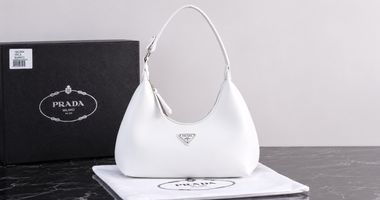
Prada Cleo bag finish changes more than how much light the surface reflects. Brushed leather creates a quieter, more controlled look, while patent leather makes the curved silhouette sharper and more noticeable. Current versions also differ in dimensions and carry setup, so choosing between them requires more than deciding between subtle and glossy leather.


Start with how visible you want the bag to feel, then consider whether its current proportions and strap configuration fit the way you plan to carry it.


1. Finish Changes How the Silhouette Reads


Both finishes emphasize the same recognizable curved idea, but they do it differently.


Brushed leather lets shape remain dominant. Light moves across a smooth surface without creating a highly reflective effect, so edges and proportions register without pulling attention away from the overall form.


Patent leather increases contrast. Reflections make curves, sloping sides, and changes in contour easier to notice.


Neither direction is automatically more versatile. Their visual priorities are simply different.


2. Brushed Leather Keeps Attention on Proportion


Smooth surface treatment helps the longer configuration retain a clean horizontal line.


Current Prada Cleo brushed leather shoulder bag measures about 27 cm wide, 22 cm high, and 6 cm deep. Prada lists brushed calfskin, a leather handle, magnetic closure, nylon lining, and a patch pocket on this configuration.


Those elements create a relatively restrained result. Width and curved construction remain noticeable, while reflection stays secondary.


This direction makes sense when the longer outline itself is what attracts you to the design.


3. Patent Leather Makes Reflection Part of the Form


Patent changes the same curved language by introducing a much brighter surface response.


Prada describes its current patent construction as producing a shiny effect. Reflection moves more visibly across the body, making changes in curvature easier to read from different angles.


That creates a stronger interaction between surface and structure.


Someone who prefers the silhouette to speak first may lean toward brushed leather. Someone who wants surface treatment to become part of the visual identity may find patent more compelling.


4. Finish Can Change How Large the Bag Appears


Physical dimensions tell only part of the story.


A longer brushed configuration spreads its width across a quieter surface, so 27 cm can appear controlled rather than visually heavy. Patent does the reverse: its smaller body reflects more light and can register more strongly despite occupying less physical space.


That makes apparent scale different from measured scale.


If the longer, lower-reflection direction already fits what you want, Prada Cleo provides the clearest product reference before deciding whether its proportions suit the same preference in person.


Choosing between finishes therefore means considering how much visual presence each surface creates, not just which one is glossier.


5. Reflection Makes Curvature Easier to Read


Cleo relies heavily on a continuous rounded line rather than decorative hardware or complex paneling.


Patent intensifies that architecture because highlights travel across the curved body. A slight change in angle can make one edge appear sharper while another section fades into reflection.


Brushed leather produces a more stable reading. Curvature remains visible, but the surface does less to exaggerate each transition.


This distinction is especially relevant here because shape carries so much of the design identity.


Someone choosing patent is effectively choosing a more pronounced reading of the same underlying geometry.


6. Current Options Are Not a Finish-Only Comparison


Current brushed and patent configurations are not identical bags covered in different leather.


The larger brushed option measures about 27 × 22 × 6 cm. Current patent configuration is smaller at roughly 22 × 18.5 × 4.5 cm. Patent also includes a leather handle extension intended for crossbody use and uses a Nappa leather interior with patch pocket.


So choosing patent also means accepting a tighter footprint and different carry flexibility.


Someone comparing only surface finish could otherwise attribute differences in scale or use entirely to leather when construction is changing too.


7. Patent Concentrates More Visual Impact Into a Smaller Body


Smaller dimensions do not necessarily make a bag look quieter.


Current Prada Cleo patent leather bag measures roughly 22 × 18.5 × 4.5 cm, yet its reflective surface increases contrast across a noticeably tighter footprint.


That combination creates an interesting trade-off. Physical volume decreases, but visual intensity can increase.


Brushed leather spreads its presence across a longer 27 cm body. Patent compresses more reflection into a smaller format.


This is why the choice should not be framed as “large and bold” versus “small and discreet.” Here, size and surface can move in opposite directions.


8. Brushed Leather Makes the Larger Format Feel More Controlled


A 27 cm width creates more visual span, yet brushed leather prevents that extra width from becoming overly assertive.


The longer surface reads as one continuous line, allowing proportion to carry much of the design.


That balance is useful if you prefer stronger scale without equally strong reflection.


Patent reverses that relationship. Its smaller footprint reduces physical size, while gloss raises visual contrast.


This is why larger does not automatically mean more noticeable.


9. Decide Which Cleo Character You Want to Emphasize


Each configuration highlights a different part of the same design.


Larger Prada Cleo shoulder bag emphasizes the long horizontal contour. Brushed leather lets that proportion remain the dominant feature.


Patent emphasizes surface movement instead. Its smaller body, shallower depth, and brighter finish make reflection more central to how the bag is perceived.


The choice therefore comes down to which quality should lead: extended proportion or concentrated visual contrast.


That distinction is more specific than assigning one finish to daytime and the other to evening use.


10. Make Finish the Final Filter, Not the First


Start by deciding whether the larger shoulder configuration or smaller crossbody-capable setup better fits your needs.


Only then use finish as the final filter.


If both construction and brushed surface point in the same direction, choose brushed leather. If compact scale, flexible carry, and a reflective surface all appeal, patent becomes the more coherent choice.


Someone still weighing capacity, proportions, carry setup, and other configurations can use how the main configurations differ to return to the broader buying decision.


A good choice should not require accepting a structure you dislike merely to get a surface finish you prefer.

Sophia Carter

Sophia Carter is a fashion writer focused on luxury accessories,designer handbags,and modern styling.She creates practical guides that help shoppers evaluate materials,understand design details,and choose pieces for different occasions.

Related Posts

YSL Niki Bag Size Guide: Which Size Should You Choose?YSL Niki Bag Size Guide: Which Size Should You Choose?
YSL Niki Bag Size Guide: Which Size Should You Choose?

For most shoppers, YSL Niki bag sizing comes down to one tradeoff: Baby keeps proportions compact and works best for edited essentials, while Medium leaves more breathing room when daily carry changes. Crossbody scale, compartment space, and reserve room should guide the choice.


1. What Should You Compare Before Picking a Version?


Start with what changes between lighter and busier days.


A nearly identical set of essentials makes space requirements easy to judge. Workdays, travel, errands, or longer schedules introduce more variation and make spare room useful.


Crossbody coverage matters too. Compact dimensions tend to feel easier across the torso, while added width becomes more noticeable during extended wear.


2. Does Carrying Position Change Which Version Feels Better?


Yes. Shoulder carry places most quilted surface beside clothing, so extra width usually feels less prominent. Crossbody wear brings more of the bag across the torso and makes differences in scale easier to notice.


For frequent crossbody use, YSL Niki shoulder bag proportions at the compact end may feel better even when occasional extra room would help.


Mostly shoulder wear makes moving up in size easier to accommodate visually.


3. Which Items Put the Most Pressure on Space?


Not every item affects interior room equally.


Flat pieces such as cards, a slim wallet, or small paper items are easier to distribute between two sections. Thick glasses cases, structured pouches, chargers, or compact cosmetic cases consume depth much faster and can make one compartment feel full before overall capacity is exhausted.


This distinction is more useful than counting item numbers. Two people may carry six pieces each yet need very different amounts of space depending on thickness and rigidity.


4. Why Does Interior Division Matter?


Two compartments create a different packing pattern from one open cavity. Smaller pieces can be separated into groups, keeping frequently reached items easier to find.


Restriction appears when one object is thick enough to consume much of a single section. Overall room may seem sufficient, yet compartment proportions still determine what sits comfortably.


Packing style therefore matters as much as exterior scale.


5. When Does Baby Make More Sense?


Smaller proportions suit lighter, edited carry and reduce visual coverage during crossbody wear. Shorter outings, dinners, and routines centered on essentials also favor this direction.


For those needs, YSL Niki Baby preserves recognizable quilting and flap styling without carrying unused space.


Baby becomes less convincing once packing repeatedly reaches its upper range or useful items need to be left behind.


6. How Much Freedom Should Each Compartment Have?


Each section works better when contents can shift slightly instead of being packed edge to edge.


That small amount of room helps frequently used pieces come out more easily and reduces pressure around thicker objects. It also prevents one section from becoming difficult to access simply because another item has been added.


Good sizing therefore means more than making everything fit. Each compartment should remain usable after regular essentials are inside.


7. When Is It Time to Check the Actual Product?


Once preferred scale is becoming clear, product information can confirm whether current configuration matches expectations.


Looking at YSL Niki at this stage lets you verify material, strap setup, interior construction, and available version before making a final decision.


Product checking works best here because the main size direction is already established. Remaining details confirm the choice rather than reopen it.


8. What If Both Versions Hold Your Essentials?


Then proportion should decide.


Set storage aside and consider which footprint works better with how you dress and carry bags. Baby keeps quilting visually compact, while Medium lets more texture register against clothing.


Crossbody wear usually makes this contrast easiest to judge.


When both versions handle daily essentials comfortably, visual balance matters more than small differences in room.


9. When Does Medium Become Worth Moving Up To?


Medium becomes more persuasive when contents fluctuate or when spare room reduces daily repacking. It also suits anyone who prefers a stronger quilted presence and does not mind added scale across the torso.


For those needs, YSL Niki Medium brings greater flexibility without changing the basic interior layout.


Moving up offers less benefit when most extra room would remain empty and compact proportions already feel comfortable.


10. What If Size Is No Longer Your Main Uncertainty?


Sometimes comparing room does not resolve hesitation because the real question is whether Niki itself fits your wardrobe and carrying preferences.


In that situation, the complete Niki decision path considers styling character, shoulder versus crossbody use, Baby and Medium positioning, and who is most likely to enjoy this model.


Returning to that broader view is more useful than continuing to compare dimensions when both versions already meet everyday needs.


11. When Does Medium Save You From Repacking?


Medium becomes more useful when the same essentials need to be rearranged repeatedly just to make Baby work.


If a case has to move sections, a pouch must be removed, or smaller pieces need careful stacking whenever one extra item enters, added room starts serving a real purpose.


A YSL Niki bag in the roomier direction reduces that friction when this pattern happens regularly.


If packing already feels simple and predictable, compact proportions remain easier to justify.


12. Which Version Should You Choose?


Choose Baby if daily carry stays light, crossbody scale matters, and you prefer a compact quilted presence.


Choose Medium if contents expand across different days, spare room would reduce repacking, or stronger proportions suit the way you wear bags.


If both hold everything you need, let visual scale decide. If neither feels clearly right, return to the broader model decision before narrowing the choice further.

YSL Niki Bag: Which Version Should You Choose?YSL Niki Bag: Which Version Should You Choose?
YSL Niki Bag: Which Version Should You Choose?

Choosing a YSL Niki bag comes down to space, body presence, and preferred carrying position. Baby is better for compact proportions and lighter daily carry, while Medium is the stronger choice when you want more flexibility and expect contents to change across different days.


1. What Defines Niki’s Visual Character?


Chevron quilting creates most of its surface movement, while covered Cassandre hardware keeps the front from feeling overly metallic. Logo treatment blends into the material instead of acting as a bright centerpiece.


Flap construction and softer lines also separate Niki from cleaner geometric styles. Quilting, hardware treatment, and drape create its recognizable look before size enters the decision.


When choosing between Baby and Medium, focus less on which one simply looks bigger and more on how much quilted surface you want visible against clothing.


2. Who Is Most Likely to Enjoy This Design?


Someone drawn to visible texture, flap construction, and flexible carrying positions will probably understand Niki quickly. It also works across denim, knitwear, tailoring, and simpler evening outfits without requiring one fixed dress code.


For shoppers who prefer crisp rectangular lines or very minimal fronts, Saint Laurent Niki bag styling may feel too soft or visually active. Quilting, chain-and-leather strap, and covered logo remain central to its character regardless of size.


That distinction is worth settling before comparing Baby and Medium.


3. How Much Visual Presence Do You Want?


Picture how much torso space you want covered.


Baby reads as a compact accent and leaves more clothing visible. Medium brings stronger visual weight, especially crossbody, where quilted surface sits more directly across the body.


Neither direction is automatically better. Some wardrobes benefit from a smaller finishing piece; others work better when the bag carries more presence.


This question can settle size even when both options provide enough usable space.


4. How Should You Compare Available Sizes?


Three questions usually narrow things quickly:


• How stable is your normal daily carry?


• How much body coverage feels comfortable crossbody?


• Do you prefer spare room or a deliberately edited interior?


Consistent essentials make compact sizing easier to manage. Changing schedules create a stronger reason to keep extra capacity available.


For deeper sizing analysis, the size-selection guide separates capacity, proportion, and carrying behavior instead of relying on measurements alone.


5. How Does Shoulder Carry Change Overall Effect?


Shoulder carry lets more quilted surface fall beside the body instead of directly across the torso. Because of that, Medium can appear less dominant here than during crossbody wear.


Chain-and-leather strap also becomes more visible in this position, contributing more strongly to overall styling.


Anyone planning to wear Niki mainly on one shoulder may feel comfortable moving up in size. Frequent crossbody use makes width and torso coverage more important.


6. When Is It Worth Looking Beyond This Style?


Once quilting, flap construction, and convertible carry already match what you want, widening the search may add little value. Size comparison becomes more useful than reopening model choice.


If silhouette remains uncertain, reviewing the broader Yves Saint Laurent shoulder bag for women selection can help separate Niki from firmer, cleaner, or more compact alternatives.


Main question is simple: do quilting, softer structure, and convertible carry already feel right? If yes, return to Baby versus Medium.


7. How Do Two Compartments Affect Organization?


Two main sections encourage more deliberate packing than one open cavity.


Slim essentials can be divided by purpose, keeping frequently reached pieces apart from less-used items. This reduces digging and makes access more predictable.


Tradeoff appears with thicker or unusually wide objects. Instead of borrowing depth from one large space, each item has to work inside a defined section.


That layout favors grouped, compact essentials more than bulky single items.


8. Who Is Better Served by the Smaller Version?


Compact sizing works best when daily contents remain edited and predictable. It also makes sense for frequent crossbody wear, especially when less torso coverage is preferred.


For that type of use, YSL Niki Baby keeps Niki’s recognizable quilting and flap profile while reducing visual weight and unused interior space.


Compromise comes from lower carrying margin. Extra cases, chargers, pouches, or similar additions can make space feel restricted sooner.


9. Where Is the Real Baby-versus-Medium Decision?


Useful dividing line is not simply “small” versus “large.”


Baby works when editing contents already feels normal. Medium becomes more persuasive when daily carry changes and repacking feels inconvenient.


Body proportion matters too. Someone may have enough room in Baby yet prefer stronger Medium proportions, while another wearer may carry Medium comfortably but still prefer Baby visually.


For direct two-size comparison, the Baby and Medium comparison focuses on those tradeoffs rather than repeating a general size guide.


10. When Should You Check Product Details?


Product information becomes most useful once size direction is clear. Looking too early at finishes and configurations can distract from capacity and proportion.


After narrowing the choice, the YSL Niki bag product listing is the logical next step for checking material, finish, strap setup, interior configuration, and exact version being considered.


If those details match the way you plan to carry it, there is little reason to keep comparing broadly. At this stage, product checking becomes final confirmation rather than discovery.


11. How Much Spare Capacity Is Actually Useful?


Extra room matters only when routine makes use of it.


Someone carrying almost identical essentials every day may gain little from unused space. Work, errands, longer outings, or travel create more reason to keep some carrying margin.


Think about a demanding but normal day rather than an exceptional trip.


Best size should cover real weekly variation without feeling oversized during simpler days.


12. What Changes as Compartments Fill Up?


As contents increase, effects go beyond raw capacity. Both sections begin competing for depth, and thicker objects near upper edges can influence flap placement and access.


One bulky item may push outward more noticeably than several flatter pieces distributed between sections. Side profile can change once available depth starts disappearing.


Leaving some free room keeps access easier and helps softer drape remain controlled, which matters more than whether every item can technically be squeezed inside.


13. When Does Medium Become More Convincing?


Changing daily contents create a stronger reason to choose reserve capacity. Larger proportions also work well for someone who wants quilting to occupy more visual space.


In those situations, YSL Niki Medium balances organization and flexibility, giving separate groups of items more breathing room.


If you regularly hesitate because Baby may feel restrictive, Medium is usually the safer direction. Its advantage becomes smaller only when most extra space would remain unused.


14. Is Medium Practical for a Full Day?


Much depends on how one day unfolds.


Commuting, errands, meetings, and added items later all benefit from interior space that is not already full in the morning. Simpler schedules may never need that reserve.


Carrying position also changes perception. Medium can feel balanced on one shoulder yet considerably more noticeable after several hours crossbody.


Anyone already leaning toward this size can use the Medium daily-use assessment for a closer look at capacity and carrying behavior before settling on it.


15. Can One Style Work Across Different Parts of the Week?


Yes, provided chosen scale matches actual use. Compact proportions suit lighter outings and controlled contents, while more room supports unpredictable schedules.


As a YSL Niki shoulder bag, this model can also change visual character depending on carrying position. Shoulder wear places more quilted surface beside clothing; crossbody wear makes width and torso proportion more obvious.


That flexibility is useful only when size already feels balanced. If both carrying positions work comfortably, the model becomes easier to keep in regular rotation.


16. Which Direction Makes More Sense?


Choose Baby when daily carry stays light, smaller proportions appeal more, and crossbody use matters.


Choose Medium when contents change regularly, spare capacity would genuinely be used, or stronger visual presence suits your wardrobe better.


Keep comparing other styles only if hesitation is really about quilting, softer construction, covered logo treatment, or flap format rather than size.


If Niki itself already feels right, there is little value in reopening the full model search. Choose the size that matches your routine, confirm the exact configuration, and move forward from there.

Prada Cleo Medium or Larger Size: Which One Should You Choose?Prada Cleo Medium or Larger Size: Which One Should You Choose?
Prada Cleo Medium or Larger Size: Which One Should You Choose?

Prada Cleo bag sizing depends on more than capacity. Medium measures about 24 × 19 × 6 cm and adds crossbody flexibility, while the larger brushed-leather option measures about 27 × 22 × 6 cm and creates a longer shoulder profile. Carry method and proportion matter more than a 3 cm difference in width.


Both retain a slim 6 cm depth, so moving up does not turn the design into a high-capacity bag. What changes more clearly is how each size sits against the body and fits into daily movement.


1. The Size Difference Is Smaller Than It Looks


Medium is roughly 24 cm wide and 19 cm high, while the larger brushed configuration measures about 27 cm by 22 cm. Depth stays at 6 cm in both.


Most of the difference therefore comes from width and height.


Medium looks more compact. The larger option creates a broader horizontal line without becoming substantially bulkier.


2. Medium Changes More Than Scale


A smaller body can work better when you prefer a tighter proportion against the torso.


Carry flexibility adds another distinction. Prada Cleo Medium includes a handle extension intended for crossbody use, expanding how it can be worn beyond shoulder carry.


That feature can matter more than size during longer periods away from home. Choosing from measurements alone can easily hide this advantage.


3. Larger Proportions Create More Visual Presence


The 27 cm configuration produces a longer horizontal silhouette.


Extra width becomes noticeable under the arm or along the side of the body, adding presence without moving into a deep or boxy structure.


Medium moves in another direction. Reduced width and height keep the outline more compact, which can work better when clothing already has stronger volume.


4. Start From the Carry Setup You Want


Size becomes easier to judge once you decide how often crossbody use would actually help.


If shoulder carry already suits your routine, a longer profile may matter more than strap flexibility. Frequent walking or hands-free movement can make the smaller adjustable setup more practical.


Anyone already leaning toward the larger configuration can review the shoulder style before deciding whether its dimensions and handle setup fit that preference.


This keeps carry method at the center of the decision rather than treating it as an afterthought.


5. Extra Width Helps Flat Essentials Most


Both options remain shallow, so additional width benefits flatter belongings more than bulky ones.


Phone, compact wallet, keys, slim eyewear, and small personal items can use lateral room efficiently. Thick pouches and rigid cases still compete for the same depth.


Larger Prada Cleo bag should therefore not be treated as a dramatically higher-capacity alternative.


Its main advantage is simply more horizontal working space.


6. Medium Can Feel More Controlled Against the Body


Reduced width and height change how much visual space the bag occupies.


Someone carrying only a few compact essentials may prefer that tighter scale because less width sits unused.


The larger choice creates more presence. Medium keeps the silhouette closer and more contained.


Neither approach is automatically better; each supports a different preference in scale.


7. Proportion Changes How the Bag Reads Beside Clothing


The difference between 24 cm and 27 cm becomes easier to notice once the bag is viewed beside the rest of an outfit rather than by itself.


A broader body creates a stronger horizontal break across straighter jackets, coats, or longer tops. Medium occupies less width, so more of the clothing line remains visible around it.


That makes scale a styling decision as much as a storage decision.


Someone who wants the bag to register clearly may prefer the larger configuration. Someone who wants a more compact accent may find Medium better balanced.


8. The Larger Brushed Option Has a Clear Purpose


Extra width helps when you want a stronger horizontal line and more room to arrange slim belongings side by side.


Current Prada Cleo brushed leather shoulder bag specifications list a 27 cm width, 22 cm height, and 6 cm depth.


Those proportions keep the body shallow while making it visibly broader than Medium.


Choose it because that balance suits you, not because “larger” suggests a completely different capacity category.


9. Differences Become Clearer Once Filled


Empty measurements tell only part of the story.


A compact wallet, phone, keys, and eyewear leave more lateral breathing room in the 27 cm option. Medium can still handle a light setup, but everything sits inside a tighter footprint.


If regular carry already stays compact, Medium may be enough. Several flatter extras make the larger size more useful.


10. Decide Whether Size Is Really the Main Issue


Someone still undecided after comparing dimensions may actually be choosing between two ways of using the bag.


One favors a broader shoulder silhouette. The other adds greater flexibility in how it can be carried.


The broader buying framework looks beyond size and considers proportion, finish, carrying method, and overall suitability together.


Extra width cannot replace a preferred strap setup, while strap flexibility cannot recreate the longer visual line of the larger option.


11. Who Should Choose Each One?


Start from regular carry and preferred wearing position rather than the size name.


Prada Cleo shoulder bag in the larger 27 cm configuration makes more sense when shoulder carry, a longer profile, and extra lateral room matter most.


Medium is stronger when compact scale and crossbody flexibility carry more weight.


Anyone carrying bulky objects every day may find neither ideal, since both retain a 6 cm depth.


12. Match the Size to the Trade-Off You Prefer


Medium asks you to trade some horizontal room for a smaller footprint and more flexible carry.


The larger brushed-leather configuration does the opposite: it keeps shoulder carry central and uses the extra width to create a longer line and more lateral space.


Neither option removes the 6 cm depth constraint, so moving between them should not be treated as a solution to bulky daily carry.


That leaves a simple choice. Pick Medium when flexibility and compact scale matter more. Pick the larger configuration when proportion and horizontal room matter more.


The better size is the one whose trade-off already matches how you intend to use the bag.

What Fits in a Prada Galleria Bag? Small, Medium, and LargeWhat Fits in a Prada Galleria Bag? Small, Medium, and Large
What Fits in a Prada Galleria Bag? Small, Medium, and Large

1. Start With Usable Space, Not Maximum Space


A Prada Galleria bag should be sized around what needs to remain easy to reach, not how much can be packed inside. Small suits compact personal carry.


Medium adds room for more item groups, while Large becomes relevant when greater dimensions and additional separation will be used regularly.


Galleria capacity is shaped by structured sections rather than one open cavity, so total exterior size never tells the whole story.


The better size is the one that lets regular belongings occupy sensible positions without turning access into a sequence of adjustments.


2. Galleria Divides Space Before You Pack It


Galleria does not offer one uninterrupted storage area. Its construction divides capacity between central space, zipped sections, pockets, and structured sides.


That means spare room in one area cannot always compensate for pressure somewhere else. A slim object may fit easily into one section, while a thicker case can consume useful depth even when another part remains partly empty.


This is the important difference between total space and distributed space.


Instead of reading width, height, and depth as one volume figure, think about how your belongings would be split across the bag's separate zones.


3. Small Works Best When Every Item Has a Clear Job


Prada currently lists the Small Saffiano version at 24.5 cm wide, 16.5 cm high, and 11 cm deep. Prada also states that it can comfortably hold a card holder, an iPhone 17 Pro Max, a small wallet, and other small items.


That gives Prada Galleria Small a useful baseline: compact personal carry rather than a reduced work tote.


It makes sense when most regular belongings are similarly scaled and can be assigned to different sections without forcing one area to absorb everything.


Several rigid cases change the equation faster than several flat pieces. Small works best when the contents cooperate with the bag's divided construction.


4. Check Which Section an Important Item Needs


One essential object can affect the whole layout, but the key question is not simply whether it fits.


Ask where it needs to fit.


A glasses case, wallet, compact notebook, charger, or pouch may technically enter the bag yet occupy the section you would otherwise use for frequently reached pieces. That can create a poor layout even when unused room remains elsewhere.


Before settling on size, review the bag design and decide which area would realistically hold your least flexible regular item.


Then check what that placement displaces. Galleria works best when one object does not force several others into less useful positions.


5. Give Each Storage Zone One Purpose


Galleria's divided construction becomes more useful when the sections are not treated as interchangeable.


One area can handle pieces reached repeatedly. Another can hold items that need more security. Smaller pockets can take slim objects that would otherwise disappear beneath larger belongings.


This creates a more stable arrangement than filling every available gap.


The test is simple: after assigning those roles, does one section become crowded while another remains largely unused? If so, the issue may not be total capacity. It may be how your specific belongings interact with the layout.


Moving up is most useful when the larger version improves that distribution.


6. Medium Adds Space in More Than One Direction


Current Medium Saffiano versions measure 28 cm wide, 19.5 cm high, and 12 cm deep, increasing width, height, and depth from the current Small Saffiano format.


Those added dimensions make Prada Galleria Medium useful when several categories of belongings need room at the same time.


Personal pieces can occupy one area while a notebook, accessories, or later-day items use another. More space reduces competition between sections rather than simply allowing a longer packing list.


Medium still does not behave like an open tote. Its advantage is better distribution inside the same structured concept.


That makes it more useful when several zones are being actively used.


7. Watch What Happens Between One Retrieval and the Next


Capacity problems often appear in the movement between items.


Remove the thing you reach for most. Can it return to the same place without disturbing another section? If you take out a notebook, do smaller pieces shift into its space? If a zipped area is opened, is access blocked by something sitting beside it?


These interactions matter because Galleria's organization works best when each area stays predictable.


A size may technically hold everything yet still feel inefficient if one retrieval changes the arrangement for the next.


The stronger fit is the version that keeps those relationships stable during repeated use.


8. More Capacity Should Improve Separation


Moving to a larger Prada Galleria makes sense when extra room improves how belongings are divided, not simply when it allows more objects to be added.


Consider personal essentials, one small notebook, a charger, glasses, cosmetics, and something collected later. A compact version might accommodate the list, yet different categories can begin competing for the same section.


Extra room becomes valuable when those groups can remain distinct instead of being layered together.


For Galleria, useful capacity is better measured by how many storage zones remain functional at the same time.


9. Verify Important Objects Before Choosing


Certain items deserve their own check.


A tablet, document folder, long wallet, thick case, or other rigid piece should be measured rather than assumed to fit because of a size label. Entry angle matters too: an object may match the stated width yet still be awkward to place inside.


If capacity is only one part of the purchase, the wider decision path also considers material, carrying style, and the overall size choice.


For this article's capacity question, the rule is simpler: confirm the object that could disrupt the layout before choosing around everything else.


10. Large Is a Different Capacity Commitment


Prada currently lists the Large Saffiano version at 32 cm wide, 24 cm high, and 13.5 cm deep. Its listed interior also includes four pockets, one zippered, creating more organizational points than the current Small and Medium Saffiano listings.


That makes Prada Galleria Large more relevant when both space and separation have regular jobs to perform.


Its advantage is not just increased volume. Larger dimensions allow more categories to occupy distinct areas without each section running close to capacity.


If Medium already keeps those categories separate comfortably, moving to Large may add more empty room than practical improvement.


Choose it when multiple parts of the layout genuinely benefit from expansion.


11. Stop When the Layout Starts Losing Its Logic


Capacity has gone too far when zipped areas become hard to reach, one rigid object interferes with another zone, or removing one item repeatedly changes where everything else has to sit.


The strongest size is the one that keeps Galleria's divided layout predictable after packing. Extra room only earns its place when it improves how the storage areas function together.

Is Louis Vuitton Capucines BB Worth It?Is Louis Vuitton Capucines BB Worth It?
Is Louis Vuitton Capucines BB Worth It?

Louis Vuitton Capucines BB is worth considering if you want a compact structured bag that feels polished, distinctive, and easy to use across different parts of the week. It makes less sense for someone who prioritizes maximum space, very casual styling, or a bag that needs almost no consideration before carrying.


A useful decision starts with expected use rather than reputation. Wardrobe fit, preferred structure, carrying habits, and the place this bag would occupy among pieces you already own matter more than simply liking the design.


1. Decide Whether Its Formality Level Fits Your Life


Capucines BB sits in a specific visual space: polished enough to feel deliberate, yet compact enough to avoid the weight of a larger formal handbag.


That balance is useful only when it matches the way you already dress. Someone whose week includes tailoring, dresses, cleaner daywear, or polished city outfits may find the bag easy to place. A wardrobe dominated by sportswear, very loose casual pieces, or highly informal accessories may create fewer natural opportunities.


Instead of asking whether the model is versatile in general, consider whether its level of formality fits the clothes and settings that already make up most of your week.


2. What You Are Really Choosing


Choosing this model is partly a decision about how much structure you want from a handbag.


Compact proportions create a cleaner presence, while a defined silhouette feels more deliberate than many casual alternatives. That combination can be appealing, but it also asks for some consistency from the person carrying it.


Before committing, consider whether LV Capucines BB bag matches the type of handbag you naturally reach for. A closer look at the specific product can help confirm how the available version fits that expectation: https://www.loueio.com/products/louis-vuitton-capucines-bb-crossbody-bag-odth11


That reference becomes more useful when considered alongside your own habits rather than judged only from isolated product imagery.


3. Decide How Much Structure You Actually Want


Structure influences more than appearance. It changes how a bag sits beside clothing, how belongings are arranged, and how formal the overall result can feel.


Some people enjoy that sense of order. Others prefer bags that feel softer, easier, or less precise.


Neither preference is better. What matters is whether a structured handbag matches the way you already dress and carry your belongings.


4. When Compact Luxury Makes More Sense


Compact luxury works best when smaller capacity feels like an advantage rather than a compromise.


Someone who already edits daily essentials down to a few items may appreciate a bag that stays visually controlled. A person who frequently needs extra space may end up adjusting habits around it instead.


Satisfaction usually comes from compatibility, not from forcing a preferred design into an unsuitable routine.


5. Ask Whether It Fills a Missing Space


A stronger reason to choose a handbag is that it adds something your current collection does not already provide.


Rather than asking whether Louis Vuitton Capucines BB bag looks special enough, consider whether you are missing a compact option that feels more polished than a casual crossbody but less event-specific than a very small evening bag.


That distinction matters less when several pieces already cover the same combination of scale, structure, and formality.


Value becomes easier to judge once the bag has a clear purpose instead of a long list of hypothetical uses.


6. Where Regret Usually Starts


Regret often begins when expectations are built around appearance while practical preferences point elsewhere.


Someone who loves the silhouette but dislikes structured bags may eventually reach for softer options more frequently. Someone drawn to the compact profile may later find everyday carrying habits require more room.


Another warning sign is buying for an imagined lifestyle. A bag chosen for dinners, events, or polished city days may see little use if those situations rarely happen.


Current habits usually provide a more reliable answer than idealized ones.


7. Test It Against What You Already Use


A useful decision can come from comparing this model against the bags you reach for most.


Look at three or four favorites from a normal month. Are they soft or structured? Compact or spacious? Casual or polished? Do they serve clearly different purposes, or do several already overlap?


If Capucines BB introduces a combination that is missing, it may broaden your options rather than repeat something familiar.


If it closely mirrors a bag you already use successfully, the difference may come down more to preference than practical need.


8. Understand Its Position Among Existing Bags


A good addition does not need to replace everything already owned.


Sometimes LV Capucines BB sits neatly between categories: more polished than a casual crossbody, more compact than a larger day bag, yet less event-specific than a very small evening piece.


That middle position can be useful when other needs are already covered.


If several existing bags occupy almost the same space in terms of proportions and formality, however, another structured compact option may add less variety than expected.


9. Compare Alternatives by Role


Comparisons become more useful when they focus on purpose instead of brand hierarchy.


Ask whether another bag would handle your most common needs better:


• Does a softer design fit your clothing more easily?


• Would a larger size remove practical compromises?


• Would a simpler crossbody suit more casual days?


• Do you already own something that performs the same role?


For a wider assessment of size, carrying options, styling, and general selection factors, the central reference can place this decision in a broader context.


A useful comparison should make trade-offs clearer rather than simply produce another favorite.


10. Who Should Probably Skip It


This type of bag may be less convincing for someone who:


• prefers highly casual or athletic dressing most days;


• wants one handbag to handle substantial daily carrying;


• dislikes structured silhouettes;


• rarely uses polished compact bags;


• already owns several pieces serving nearly the same purpose.


Skipping a model that does not fit current habits can make the next purchase more useful.


Clear compatibility matters more than owning a recognizable design.


11. What Makes the Decision Easier


Uncertainty becomes smaller once the choice is reduced to a few concrete questions.


Consider how Louis Vuitton Capucines BB would fit into a normal month rather than an ideal one. Think about which outfits it would join, which existing bags it might replace on certain days, and whether its level of structure reflects your usual preferences.


If those answers appear quickly, the model probably has a defined place. If each answer requires changing clothes, carrying habits, or routine, attraction may be stronger than practical fit.


12. Four Questions Before You Commit


Before making a final decision, answer these four questions honestly:


• Can I name several outfits I already own that work beside this bag?


• Do I normally carry little enough for a compact format?


• Will I use a structured handbag frequently rather than occasionally?


• Does this add something useful instead of duplicating another bag I already reach for?


Mostly positive answers create a stronger case for choosing it.


Several uncertain answers suggest more comparison may be worthwhile before committing.


13. Choose It for What It Adds


Capucines BB makes the strongest case when it adds something specific: compact proportions, defined construction, polished character, and a place between more casual or higher-capacity options.


That distinction matters more than trying to prove the model is universally practical.


If you can identify when you would reach for it, what it would replace, and why another bag would not serve that moment as well, the purchase case becomes much clearer.


If that answer remains vague, attraction may be coming more from the design itself than from a genuine gap in what you already use.

Prada Cleo Shoulder Bag: What Fits and Is It Practical?Prada Cleo Shoulder Bag: What Fits and Is It Practical?
Prada Cleo Shoulder Bag: What Fits and Is It Practical?

Prada Cleo bag works best for light daily carry: a phone, compact wallet, keys, slim eyewear case, plus a few small personal items. Its shallow body rewards flatter essentials, while several bulky objects can make access less convenient and alter how the bag sits.


Capacity matters, but item placement matters almost as much. A useful test is whether frequently used belongings remain easy to reach after everything goes inside.


1. Start With Depth, Not Item Count


Classic brushed-leather configuration is about 27 cm wide, 22 cm high, and 6 cm deep.


Width creates useful lateral room, while depth becomes restrictive much sooner once thicker accessories enter the mix.


Several slim pieces can coexist comfortably. One rigid pouch or oversized case may consume a surprisingly large share of usable space.


Counting objects therefore tells you less than comparing their thickness.


2. Build Around What You Reach for Most


Phone, wallet or cardholder, and keys usually form the working core.


Place those first. Cosmetics, eyewear, chargers, or other extras should fit around them rather than forcing frequently used items into harder-to-reach positions.


Capacity loses practical value once reaching a phone means moving several belongings first.


Good packing here is less about filling every gap and more about keeping a clear access path.


3. Phone and Wallet Establish the Base


A phone and compact wallet use horizontal space efficiently when placed across flatter sections of the interior.


Light packing is where Prada Cleo bag feels most convincing. Once those core items are in place, remaining capacity depends heavily on wallet thickness and whatever comes next.


If that setup already matches what you normally carry, the current product can be viewed here: https://www.loueio.com/products/prada-cleo-brushed-hobo-women-shoulder-bag-ptre02 before deciding whether its proportions suit your routine.


A cardholder leaves noticeably more freedom than a large continental wallet. That one choice can determine whether sunglasses, keys, and small personal items remain easy to reach.


4. Keys and Sunglasses Create Different Problems


Keys add irregular bulk rather than simple volume. A large fob or several keychains can press against nearby objects and become awkward to position.


Sunglasses depend heavily on case design. Slim cases can sit beside a phone or wallet, while thick rigid cases consume depth quickly.


Separating these two items also makes sense from a handling perspective. Keeping metal keys away from eyewear reduces unnecessary contact and avoids turning one central area into a crowded stack.


Small changes in case size can therefore matter more than expected.


5. Small Cosmetics Work Better Without Excess Packaging


Lip balm, lipstick, tissues, a small mirror, or travel-size personal care items occupy little room individually.


Combining everything inside one structured cosmetics case can create far more bulk than those objects require.


Shallow construction makes this especially noticeable on Prada Cleo. A slim pouch may still help keep tiny items together, but its own thickness needs to justify the space it occupies.


Packing several small pieces independently can sometimes preserve more usable room than organizing every item inside another container.


6. One Thick Object Can Set the Limit


Power banks, large chargers, rigid eyewear cases, and substantial cosmetics pouches change the interior much faster than flatter belongings.


Their effect extends beyond their own dimensions. One thick piece may stop other objects from sitting cleanly along either side, leaving awkward unused pockets nearby.


Prada advises avoiding overloading to help retain the bag’s form, which fits the same practical conclusion here: once bulky pieces start changing how the body sits, usable capacity has already gone too far.


The better question is not whether another item can physically fit, but whether adding it still leaves the bag comfortable to open and carry.


7. One Extra Item Can Change Usability


Core essentials rarely create much friction. Problems usually appear after an additional object enters the mix.


A portable battery, second eyewear case, compact umbrella, or larger cosmetic item may fit physically yet change how everything else works.


Four questions reveal that point quickly:


Can you remove your phone directly?


Does closure meet without pressure?


Are keys still easy to reach?


Can one item come out without moving several others?


Once those answers start changing, practical capacity has probably been reached.


8. Fast Access Means Fewer Internal Barriers


Magnetic closure and a relatively open setup make Prada Cleo shoulder bag useful when easy retrieval matters more than strict separation.


A phone or cardholder can stay accessible instead of sitting behind several zippers or dividers.


That simplicity leaves more responsibility to placement.


One small organizer can control tiny pieces. Several begin using space that would be better reserved for actual essentials.


Someone who wants a fixed compartment for every category may find a more divided interior easier to manage.


9. Capacity Feels Different From Person to Person


Phone, cardholder, keys, slim eyewear, plus a few personal items create a realistic light-carry combination.


Someone whose regular list ends around that point is unlikely to need aggressive packing.


Different needs change the verdict quickly. Bottle, tablet, notebook, large battery, full cosmetics kit, or several rigid cases shift the bag away from its strongest use case.


Occasionally adding one extra object is very different from depending on an overcrowded setup every day.


Repeated inconvenience is usually a better warning sign than whether everything can technically fit.


10. Capacity May Not Be the Only Question


Sometimes essentials fit comfortably but another part of the design still feels unresolved.


Carry method, proportions, and finish can change how suitable a configuration feels even when storage is adequate.


The full buying overview compares those wider differences and helps separate a capacity issue from a version-choice issue.


Packing differently cannot solve a strap preference or change how a particular proportion sits on the body.


11. The Practical Verdict


Light daily carry is where this design makes its strongest case.


Choose Prada Cleo purse when phone, compact wallet, keys, eyewear, and a few small personal items cover most of what you need. Quick access and a slim profile should matter more than carrying numerous thick accessories.


People who routinely need a bottle, tablet, large pouch, full-size wallet, or several electronics will probably find a deeper design easier to use.


Judge the bag by your normal carry, not by the maximum amount you can force inside. If the essentials stay compact, its capacity makes sense. If bulky items are part of every day, look for more depth.

Is the Prada Galleria Bag Good for Work and Everyday Use?Is the Prada Galleria Bag Good for Work and Everyday Use?
Is the Prada Galleria Bag Good for Work and Everyday Use?

1. Start With What Your Week Demands


A Prada Galleria bag works well for office days, commuting, appointments, and regular daily use when structure, organized storage, and flexible carrying matter. Smaller versions suit lighter schedules; roomier options make more sense when work items or changing plans regularly add to what you carry.


Work suitability depends on more than appearance. Contents can change between morning and evening, so judge the bag by the busiest recurring day in your week rather than an unusually light one.


If it handles that day comfortably without constant rearranging, it has a stronger case for regular use.


2. Structure Matters During Longer Days


Office use places different demands on a handbag than lunch or an evening outing.


Defined sides help keep Galleria composed beside a desk, while separated storage makes frequently reached pieces easier to locate. Top handles and shoulder carry also allow the same design to behave differently during arrival, movement around the office, and the trip home.


Those features become more relevant over several hours. Cards, keys, glasses, chargers, and personal pieces are easier to manage when their positions remain predictable.


Anyone who prefers one open compartment may value this setup less. Organization works best when it already matches the way you like to use a bag.


3. Workdays Reveal More Than Short Outings


Morning carry rarely tells the whole story. By afternoon, paperwork, accessories, purchases, or items picked up between meetings may have joined what left home earlier.


That changing schedule is where Prada Galleria becomes easier to judge for work. What matters is not simply whether essentials fit at 8 a.m., but whether access still feels easy several hours later.


Commute length changes the experience too. Moving mainly between car and office puts far less pressure on handling than a day involving stations, lifts, reception desks, meeting rooms, and repeated stops.


Useful work carry should remain orderly after several transitions, not only at the start of the day.


4. Office Use Rewards Predictable Access


Professional routines involve repeated small interactions with a bag.


You may need a card before entering a building, a phone during a meeting change, glasses at a desk, then keys when leaving. Storage becomes more useful when those items can return to familiar places without disturbing everything else.


Galleria's defined construction supports that kind of predictable use better than a bag that changes form each time the contents shift.


This matters most for people who dislike searching through one large compartment. If quick open access matters more than keeping items separated, another construction may still feel simpler.


5. Judge Capacity by How the Sections Work Together


Total volume matters less than whether the different sections support what you actually carry to work.


Documents, personal items, small accessories, and frequently reached pieces compete for different types of space. When Prada Galleria bag capacity is being considered, it is more useful to ask where each regular item would sit than whether everything could technically fit somewhere inside. Current versions can be viewed here: https://www.loueio.com/products/prada-cleo-brushed-hobo-women-shoulder-bag-ptre02


This distinction becomes important when one bulky object occupies a useful section or forces frequently reached belongings into less convenient positions.


Moving up makes sense when added room improves organization across those sections, not simply because a larger exterior looks safer.


6. Small and Medium Serve Different Work Patterns


Size matters most when tied to a recurring work pattern.


Small suits schedules where office use adds little beyond personal essentials. It can remain compact during lunch meetings, appointments, and plans after work.


Medium becomes more useful when separate categories of items need room at the same time: personal belongings, work pieces, and extras collected during the day.


That does not make Medium the default choice. Workload still matters more than job title.


7. Transitions Matter More Than the Commute Distance


Galleria is handled differently at different points in a workday.


Top handles may feel most practical when arriving at a desk, entering a meeting, or moving a short distance indoors. Shoulder carry becomes more useful when passing through stations, carrying another item, or covering longer stretches on foot.


What matters is how frequently you switch between those modes.


Someone who repeatedly moves between transport, reception areas, meetings, and errands may value that flexibility more than someone whose bag spends most of the day beside a desk.


Judge the design by those transitions rather than by commute distance in isolation.


8. After-Work Use Depends on What Leaves the Bag


Office-to-evening versatility is not only about whether the exterior looks polished enough.


What changes after work is often the contents. Papers may stay at the office, chargers may no longer be needed, or work accessories may be removed before dinner. Once that happens, Prada Galleria purse can feel noticeably different from the same bag during the workday.


This makes packing strategy part of the decision. A version that works because it carries several office items may feel more substantial once most of those items are gone.


For people who frequently move into dinner or appointments after work, the better size is one that still feels proportionate after the work-specific contents have been removed.


9. Defined Construction Has a Specific Trade-Off


Galleria's structured body is useful because its form does not depend heavily on being filled.


That can be an advantage at work: the bag remains composed beside a desk and does not collapse when some contents are removed during the day.


The trade-off is reduced tolerance for awkward objects. A soft bag may adapt around something unusually thick or irregular, while defined sections require the object to fit the available geometry.


This makes Galleria more convincing for predictable carry than for highly variable loads.


If your weekday items stay fairly consistent, that structure can work in your favor. If contents change dramatically from one day to another, flexibility may matter more.


10. Check More Than Work Use


Work may be the main reason for considering this style, but weekend use, restaurants, wardrobe, carrying preference, and usual packing still influence the final decision.


If those questions remain open, the complete selection framework covers size, material, capacity, and broader use before narrowing a version.


This wider check helps when office needs point toward more room but personal use favors something smaller.


A useful choice should not require a completely different routine once the workweek ends.


11. Medium Makes Sense When Several Categories Must Coexist


Some schedules create pressure not because any single item is large, but because several groups of belongings need to remain separated throughout the day.


Work papers, personal pieces, accessories, and items needed later can all compete for space. In that situation, Prada Galleria Medium can become more convincing because additional room gives those categories space to coexist without turning every retrieval into rearrangement.


If most days involve only one or two categories, smaller proportions may still be easier.


Medium earns its place when organization benefits from the extra room, not merely when more objects can be added.


12. Galleria Works Best for Predictable Routines


This design is strongest when your week has recognizable patterns.


Perhaps keys always need quick access, work pieces usually stay together, personal items occupy another section, and the bag spends predictable periods in hand, on the shoulder, and beside a desk.


That consistency allows Galleria's structure and divided storage to become useful rather than restrictive.


Less predictable routines may expose the opposite problem. Frequent changes in item size, bulky objects, or spontaneous overpacking can make fixed structure feel less accommodating.


The right user is not simply someone who wants a polished work bag. It is someone whose way of carrying benefits from order.


13. Decide From How the Day Changes


Lighter schedules and stable contents favor smaller proportions. Workdays involving several categories of belongings can justify more room.


Movement between transport, meetings, desk time, and plans afterward makes carrying flexibility relevant, while predictable storage reduces repeated searching.


The strongest workday fit appears when those features solve problems you already encounter.


Choose the version that stays easy to use as the day changes rather than one that only looks appropriate for the office.

Prada Cleo Bag: What Fits and Which One to ChoosePrada Cleo Bag: What Fits and Which One to Choose
Prada Cleo Bag: What Fits and Which One to Choose

The Prada Cleo bag suits someone who wants a slim curved shoulder style for a phone, compact wallet, keys, and a few small essentials. The longer classic option favors a cleaner horizontal profile, while smaller configurations become more appealing when strap flexibility or tighter proportions matter more than extra width.


The decision becomes easier once capacity stops being the only comparison. Proportion, carrying method, and surface finish all change how each option works in daily use.


1. Start From the Silhouette


This design makes the most sense when its outline is part of the reason you want it.


A rising side profile and rounded lower edge create a leaner appearance than a rectangular shoulder style. The body stays visually controlled instead of becoming pouch-like once essentials go inside.


Someone prioritizing maximum storage can find more efficient options elsewhere. Someone who prefers compact carry and a distinctive horizontal line is much closer to what this design does best.


2. The Curve Changes Usable Space


A 27 cm exterior width can sound generous, but usable room depends heavily on the rounded base and relatively shallow depth.


Flat objects make better use of the interior. A phone, cardholder, slim wallet, keys, and compact sunglasses case can sit across the available area without forcing the sides outward.


Thicker pieces behave differently. A bulky pouch or rigid case can consume the center much faster than it would inside a boxier prada shoulder bag.


This is why width should never be judged by itself. The full proportion reveals much more about usable space.


3. Width and Depth Serve Different Purposes


The larger brushed-leather option measures about 27 cm across, 22 cm high, and 6 cm deep.


Width helps flatter essentials sit beside one another. Depth determines how quickly the interior becomes crowded once thicker pieces are added.


Several slim objects can therefore work better than only two or three bulky ones.


Rather than asking whether the bag is simply small or medium, it is more useful to consider the thickness of what you normally carry.


4. Easy Access Comes Before Heavy Organization


The magnetic closure and relatively open interior favor quick access.


A phone, cardholder, or keys can be reached without working around several compartments. The trade-off is less built-in separation, so people who prefer zipped sections may need small organizers.


Those organizers also consume part of the available depth.


If fit is still the main concern, a closer look at everyday capacity shows how common item combinations use the available space.


5. Packing Style Matters


The most successful setup uses compact essentials rather than several rigid or thick objects.


A large charger, full-size wallet, substantial pouch, and bulky glasses case can change how the body sits even if everything technically fits.


The better strategy is not to fill every available centimeter. It is to carry what is necessary while preserving the slim profile that gives the design its character.


6. The Longer Option Has Its Own Advantage


The classic configuration has the longest horizontal proportion among the main choices discussed here.


That additional width does more than add room. It stretches the line across the body and produces a more elongated shoulder-bag effect.


For someone already drawn to that proportion, the classic Prada Cleo bag is the most direct place to start, and this is also the natural point to view the product page.


Someone who mainly carries a bag on one shoulder may find this setup straightforward and visually stronger. Someone who regularly wants hands-free flexibility should look beyond width before deciding.


7. Carry Method Can Matter More Than Size


The better choice is not automatically the largest one.


A short shoulder strap works well for shorter periods of movement. Longer walks or frequent hands-free use can make an adjustable or crossbody-capable setup more useful.


Outerwear matters too. A thin shirt, structured jacket, and heavy coat can each change where the bag sits.


If crossbody use forms part of your normal routine, strap configuration can outweigh a few extra centimeters of width.


8. Brushed Leather Supports the Architecture


The brushed finish keeps attention on the construction rather than introducing heavy texture.


Its polished surface reflects enough light to define the edges while remaining visually restrained. This allows the design to move between simpler daytime clothing and sharper evening pieces without the finish becoming dominant.


The appeal comes from how the smooth surface reinforces the long uninterrupted line of the bag.


9. A Smaller Option Is Not Merely a Reduced Copy


The Medium configuration is roughly 24 cm wide, 19 cm high, and 6 cm deep.


Width and height decrease, while depth remains comparable to the larger brushed option. More importantly, the strap setup introduces greater carrying flexibility.


This changes the buying logic.


The longer configuration emphasizes a horizontal shoulder profile. The smaller alternative trades some scale for easier adaptation when hands-free carry becomes useful.


10. Gloss Changes the Direction of the Design


Patent leather changes the visual character before any comparison of capacity begins.


The reflective surface makes the silhouette more pronounced, while the smaller, shallower construction moves the design away from a capacity-first role.


For Prada Cleo, finish and proportion need to be judged together rather than as separate choices.


Someone drawn to a quieter polished surface may prefer brushed leather. Someone wanting a more reflective, compact effect may lean toward patent.


A closer comparison of the two leather finishes makes that distinction easier to judge.


11. Overpacking Works Against the Design


This style becomes less convincing when every empty area is treated as space that should be filled.


Bulky pieces can stack into the center, slow access, and push against the sides.


Horizontal organization works better. Flatter objects can sit beside one another, while a compact wallet or small pouch prevents unnecessary layers from building up.


That approach helps retain both access and the intended exterior line.


12. Decide Which Priority Matters Most


The most useful comparison starts from carry method rather than exterior dimensions.


If greater flexibility matters more than maintaining the longest horizontal profile, Prada Cleo Medium becomes the stronger option.


The larger brushed configuration makes more sense when shoulder carry already suits your routine and the extended line is a major part of the appeal.


The decision becomes easier after asking:

Do you regularly want both hands free?


Do you prefer a longer shoulder silhouette?


Would a smaller body integrate more easily into your wardrobe?


One priority usually matters more than the others.


13. Know When Another Style Is Better


A compact shoulder design should not be forced into the job of a deeper everyday carrier.


Someone regularly carrying a bottle, tablet, notebook, large pouch, charger, and full-size wallet will probably be better served by a roomier construction.


The same applies when several secure compartments are essential.


Its strongest qualities are compact carry, a recognizable profile, and a clean exterior. If those qualities become inconveniences, another Prada style is likely the better purchase.


For someone already deciding between the two brushed-leather configurations, the two options compared side by side can make the final choice clearer.


14. Reduce the Choice to Three Factors


The final decision becomes much simpler once you stop comparing every specification separately.


Choose the Prada Cleo purse when a slim shoulder profile matters more than maximum storage. Then decide whether you want the longer brushed configuration, the greater carry flexibility of the smaller option, or the sharper visual effect of patent leather.


In practice, three factors matter most:


proportion, carrying method, and surface finish.


If those three point in the same direction, there is little reason to overcomplicate the choice.

Louis Vuitton Capucines BB for Everyday StyleLouis Vuitton Capucines BB for Everyday Style
Louis Vuitton Capucines BB for Everyday Style

Louis Vuitton Capucines BB works best when its compact structure creates contrast without overpowering an outfit. Carrying position, clothing volume, texture, and accessory hierarchy all influence whether it feels balanced beside tailoring, dresses, outerwear, or softer daywear.


A successful pairing should feel intentional without making every look formal.


1. What Makes a Structured Mini Bag Work in an Outfit


A compact structured handbag brings clear visual definition to clothing. That can help when an outfit already has simple lines but needs one sharper element.


Soft knitwear, denim, fluid trousers, or a plain dress may look more deliberate once a defined accessory is introduced. Contrast works because the bag does not need to repeat the clothing’s texture or construction.


Problems appear when every piece feels equally rigid. Strong tailoring, polished footwear, substantial jewelry, and a structured handbag can make an outfit seem overly controlled. Leaving one or two elements softer usually creates better balance.


2. Balancing Formality Without Overdressing


A polished handbag does not require formal clothing.


Letting the bag sit slightly above the outfit in formality can work well. Straight denim, fine knitwear, simple trousers, or a clean shirt can support a sharper accessory without making the look feel dressed for an event.


Too much coordination can work against that effect. Matching shoes, belt, jewelry, and handbag too precisely may make the result feel overly planned.


Instead, choose one clear connection, such as similar hardware, related color temperature, or a shared level of polish.


3. Where the Bag Sits Changes the Look


Carrying position affects the visual relationship between clothing and handbag.


Hand carry keeps the bag away from most garments, allowing its silhouette to stay distinct. Shoulder carry brings it closer to jackets, dresses, and knitwear, making placement more important.


Longer straps can shift the bag lower against the body. In that position, LV Capucines BB bag can create a stronger break across long coats, midi dresses, or column-like outfits.


Cropped jackets or fitted tops usually benefit from a carrying position that does not interrupt the strongest line of the outfit.


4. Working Around Jackets and Outerwear


Outerwear changes how a compact bag is perceived.


A blazer creates a clean setting because both pieces have defined lines. A trench introduces more movement, allowing a smaller structured bag to add contrast.


Long coats bring more visual mass, so the handbag should remain visible rather than disappear against a similar tone or sit awkwardly beneath heavier fabric.


Cropped jackets simplify proportions and make hand carry or a shorter strap easier to integrate.


5. Choosing a Carrying Method for the Outfit


Different carrying methods can make the same handbag feel noticeably different.

Hand carry looks sharper beside dresses, tailoring, or outfits built around clean vertical lines. Shoulder carry feels easier and can suit daytime combinations that need less formality.


Crossbody use introduces more movement and changes where the bag sits against clothing. This can work well beside simple separates, provided the strap does not cut across an important neckline, lapel, or print.


Anyone comparing these approaches can review the featured style before deciding which carrying method fits their wardrobe most naturally.


6. Using Texture Contrast Instead of Exact Color Matching


Color matching is only one way to connect a handbag to an outfit. Texture can create a more interesting relationship.


Smooth leather beside wool, denim, ribbed knitwear, or silk produces contrast without requiring strong color differences. This works especially well in neutral wardrobes.


When clothing already uses several tactile surfaces, restraint matters.


In simpler combinations, the finish and structure of Louis Vuitton Capucines BB bag can add definition without relying on a bright shade.


7. When Tonal Dressing Works Better Than Contrast


Tonal dressing can make a structured bag feel integrated rather than dominant.

Cream, camel, taupe, grey, navy, and black combinations allow material and silhouette to carry more visual weight than color.


A near-tonal handbag does not need to match exactly. Small differences in shade can create enough separation to keep the look from feeling flat.


Contrast works better when the rest of the outfit is quiet. Bold patterns or several strong colors can make another dominant element unnecessary.


8. Changing the Outfit Without Changing the Bag


A useful styling test is whether the same bag can remain while only a few clothing elements change.


Daytime trousers and a knit may move toward dinner by changing footwear, adding sharper outerwear, or adjusting jewelry.


A simple dress works similarly. During the day it may pair with understated shoes and shoulder carry; later, hand carry and more deliberate accessories can shift the impression.


Used this way, LV Capucines BB becomes part of the outfit system rather than an accessory reserved for one specific setting.


9. Keeping Other Accessories From Competing


A structured handbag can lose impact when too many accessories demand attention.


Statement shoes, large jewelry, decorative belts, oversized sunglasses, and a distinctive bag can all work individually, but several focal points at once can weaken the overall result.


A better approach is to decide which element should lead.


If the handbag is the main accent, footwear and jewelry can stay quieter. If a strong shoe or coat already dominates, the bag can take a supporting position.


10. Managing Scale Around Longer or Wider Clothing


Scale becomes especially important with wide-leg trousers, long coats, oversized jackets, and full skirts.


A small handbag can create useful contrast beside larger clothing volumes, but too much contrast may leave it visually disconnected.


Keeping one other element compact can help. Fitted knitwear under a long coat, for example, creates a clearer bridge between clothing and accessory.


Anyone comparing styling, size, carrying options, and broader selection factors can use the model overview for a more complete reference.


11. Knowing When the Bag Should Become the Focal Point


Not every outfit needs a dominant handbag.


Minimal clothing can support a stronger accessory because there is less competition elsewhere. Monochrome dressing, clean tailoring, or simple dresses create space for the bag to stand out.


In a more expressive wardrobe, prints, layered textures, or statement outerwear may work better when the handbag stays quieter.


For Louis Vuitton Capucines BB everyday styling, the key is deciding how much visual attention the bag should receive in each outfit rather than repeating one formula.


12. When a Softer Bag Creates a Better Result


Some outfits benefit from less structure.


Very loose casual clothing, bohemian silhouettes, heavily textured knitwear, or strongly athletic combinations may feel more cohesive beside a softer bag.

That does not mean a structured style cannot work. Contrast simply needs to look deliberate.


If every other part of the outfit communicates softness, movement, or sportiness, adding a sharply defined handbag may create tension rather than balance.


13. Building a Repeatable Styling Formula


A useful handbag should fit real clothes rather than require an entirely new wardrobe.


One practical formula is to identify three elements:


• the dominant clothing line — tailored, fluid, fitted, or oversized;


• the role of the handbag — focal point or supporting piece;


• the carrying position that best preserves the outfit’s proportions.


From there, color and texture can be adjusted without rebuilding the entire look.


Wardrobes based on clean lines, understated daywear, tailoring, dresses, and controlled layering can integrate a compact structured bag especially well. Softer or strongly casual wardrobes may call for more selective use.


A repeatable formula should work across several real outfits and more than one carrying method.