
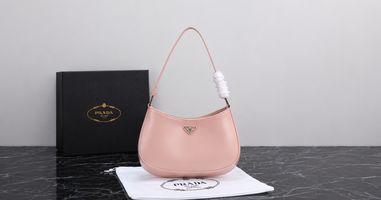
Prada Cleo Shoulder Bag: What Fits and Is It Practical?
Prada Cleo bag works best for light daily carry: a phone, compact wallet, keys, slim eyewear case, plus a few small personal items. Its shallow body rewards flatter essentials, while several bulky objects can make access less convenient and alter how the bag sits.
Capacity matters, but item placement matters almost as much. A useful test is whether frequently used belongings remain easy to reach after everything goes inside.
1. Start With Depth, Not Item Count
Classic brushed-leather configuration is about 27 cm wide, 22 cm high, and 6 cm deep.
Width creates useful lateral room, while depth becomes restrictive much sooner once thicker accessories enter the mix.
Several slim pieces can coexist comfortably. One rigid pouch or oversized case may consume a surprisingly large share of usable space.
Counting objects therefore tells you less than comparing their thickness.
2. Build Around What You Reach for Most
Phone, wallet or cardholder, and keys usually form the working core.
Place those first. Cosmetics, eyewear, chargers, or other extras should fit around them rather than forcing frequently used items into harder-to-reach positions.
Capacity loses practical value once reaching a phone means moving several belongings first.
Good packing here is less about filling every gap and more about keeping a clear access path.
3. Phone and Wallet Establish the Base
A phone and compact wallet use horizontal space efficiently when placed across flatter sections of the interior.
Light packing is where Prada Cleo bag feels most convincing. Once those core items are in place, remaining capacity depends heavily on wallet thickness and whatever comes next.
If that setup already matches what you normally carry, the current product can be viewed here: https://www.loueio.com/products/prada-cleo-brushed-hobo-women-shoulder-bag-ptre02 before deciding whether its proportions suit your routine.
A cardholder leaves noticeably more freedom than a large continental wallet. That one choice can determine whether sunglasses, keys, and small personal items remain easy to reach.
4. Keys and Sunglasses Create Different Problems
Keys add irregular bulk rather than simple volume. A large fob or several keychains can press against nearby objects and become awkward to position.
Sunglasses depend heavily on case design. Slim cases can sit beside a phone or wallet, while thick rigid cases consume depth quickly.
Separating these two items also makes sense from a handling perspective. Keeping metal keys away from eyewear reduces unnecessary contact and avoids turning one central area into a crowded stack.
Small changes in case size can therefore matter more than expected.
5. Small Cosmetics Work Better Without Excess Packaging
Lip balm, lipstick, tissues, a small mirror, or travel-size personal care items occupy little room individually.
Combining everything inside one structured cosmetics case can create far more bulk than those objects require.
Shallow construction makes this especially noticeable on Prada Cleo. A slim pouch may still help keep tiny items together, but its own thickness needs to justify the space it occupies.
Packing several small pieces independently can sometimes preserve more usable room than organizing every item inside another container.
6. One Thick Object Can Set the Limit
Power banks, large chargers, rigid eyewear cases, and substantial cosmetics pouches change the interior much faster than flatter belongings.
Their effect extends beyond their own dimensions. One thick piece may stop other objects from sitting cleanly along either side, leaving awkward unused pockets nearby.
Prada advises avoiding overloading to help retain the bag’s form, which fits the same practical conclusion here: once bulky pieces start changing how the body sits, usable capacity has already gone too far.
The better question is not whether another item can physically fit, but whether adding it still leaves the bag comfortable to open and carry.
7. One Extra Item Can Change Usability
Core essentials rarely create much friction. Problems usually appear after an additional object enters the mix.
A portable battery, second eyewear case, compact umbrella, or larger cosmetic item may fit physically yet change how everything else works.
Four questions reveal that point quickly:
Can you remove your phone directly?
Does closure meet without pressure?
Are keys still easy to reach?
Can one item come out without moving several others?
Once those answers start changing, practical capacity has probably been reached.
8. Fast Access Means Fewer Internal Barriers
Magnetic closure and a relatively open setup make Prada Cleo shoulder bag useful when easy retrieval matters more than strict separation.
A phone or cardholder can stay accessible instead of sitting behind several zippers or dividers.
That simplicity leaves more responsibility to placement.
One small organizer can control tiny pieces. Several begin using space that would be better reserved for actual essentials.
Someone who wants a fixed compartment for every category may find a more divided interior easier to manage.
9. Capacity Feels Different From Person to Person
Phone, cardholder, keys, slim eyewear, plus a few personal items create a realistic light-carry combination.
Someone whose regular list ends around that point is unlikely to need aggressive packing.
Different needs change the verdict quickly. Bottle, tablet, notebook, large battery, full cosmetics kit, or several rigid cases shift the bag away from its strongest use case.
Occasionally adding one extra object is very different from depending on an overcrowded setup every day.
Repeated inconvenience is usually a better warning sign than whether everything can technically fit.
10. Capacity May Not Be the Only Question
Sometimes essentials fit comfortably but another part of the design still feels unresolved.
Carry method, proportions, and finish can change how suitable a configuration feels even when storage is adequate.
The full buying overview compares those wider differences and helps separate a capacity issue from a version-choice issue.
Packing differently cannot solve a strap preference or change how a particular proportion sits on the body.
11. The Practical Verdict
Light daily carry is where this design makes its strongest case.
Choose Prada Cleo purse when phone, compact wallet, keys, eyewear, and a few small personal items cover most of what you need. Quick access and a slim profile should matter more than carrying numerous thick accessories.
People who routinely need a bottle, tablet, large pouch, full-size wallet, or several electronics will probably find a deeper design easier to use.
Judge the bag by your normal carry, not by the maximum amount you can force inside. If the essentials stay compact, its capacity makes sense. If bulky items are part of every day, look for more depth.
Sophia Carter
Sophia Carter is a fashion writer focused on luxury accessories,designer handbags,and modern styling.She creates practical guides that help shoppers evaluate materials,understand design details,and choose pieces for different occasions.