
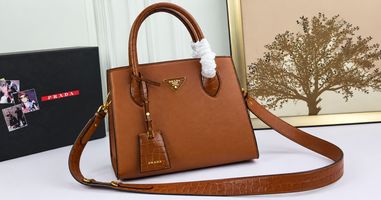
Prada Galleria Small or Medium: Which Size Works Better?
1. Start With How Much Your Day Really Requires
A Prada Galleria bag in Small works better for lighter daily carry, dinners, appointments, and weekends. Medium makes more sense when commuting, work items, or changing plans regularly require extra room. Pick Small for compact proportions; move to Medium when added capacity solves a recurring need.
Choosing between them becomes easier once occasional situations are removed from the decision. Carrying more once or twice a month rarely justifies extra size every day.
Think about what leaves home with you most mornings and what tends to join it before you return. That pattern matters more than choosing whichever version seems more versatile.
2. Use Your Busiest Day as the Test
Weekend carry can make almost any compact handbag seem spacious enough. Workdays reveal more.
Longer hours away from home tend to introduce notebooks, chargers, glasses cases, personal accessories, paperwork, or items collected during errands. Even when each piece is small, structured storage fills differently from an open tote.
Plan around a demanding but normal day rather than an unusually light one. If the bag handles that schedule comfortably without becoming overfilled, there is little reason to go larger.
This also prevents choosing Medium simply because extra capacity sounds reassuring. Space has value when it gets used.
3. Where Small Feels Easier
Compact proportions make Small especially appealing when most outings do not involve work equipment.
It can move from daytime appointments into dinner without feeling like a bag chosen mainly for commuting. Less unused room also makes packing more deliberate instead of encouraging extra items simply because space is available.
Carrying style benefits too. Reduced volume creates less visual weight beside an outfit, especially when worn on the shoulder.
Small works particularly well when everyday contents stay consistent. If very little changes between Monday and Saturday, extra reserve room may contribute less than expected.
4. Know When Small Starts Working Against You
Problems begin when contents need frequent rearranging just to close the bag or reach different sections. That is usually more revealing than exterior measurements.
Once work pieces start appearing regularly, Prada Galleria Small can feel restrictive as notebooks, chargers, cases, and personal items begin competing for the same space.
Being able to fit something is not the same as carrying it comfortably. If one item must be removed every time another is needed, capacity has become a daily inconvenience.
Small remains convincing when contents stay controlled. Constant reshuffling is a good reason to consider moving up.
5. Medium Is About Flexibility, Not Just More Space
Medium works best when daily requirements shift.
A morning may begin fairly light, then pick up papers from work, something collected during lunch, or personal pieces needed for plans later in the day. Reserve room keeps those changes from turning into a packing exercise.
That flexibility becomes useful when one handbag needs to cover both professional and personal parts of the week.
More capacity still is not automatically an advantage. If most of that room remains empty, larger proportions become something you carry rather than something you benefit from.
6. Decide Whether Extra Room Earns Its Place
Look at what would actually occupy the difference between sizes.
Regular work accessories, larger cases, documents, or changing daily contents can justify Medium. A small group of predictable essentials usually does not.
Current Small and Medium Saffiano versions share practical features such as detachable adjustable shoulder straps, exterior zipper pockets, side snap closures, and interior organization. Size therefore becomes an important part of deciding how those features work within your routine.
If added room matches how you already live, available Prada Galleria versions are worth reviewing directly before settling on one.
Choose capacity for a reason rather than as insurance against every possible situation.
7. Carrying Style Can Shift the Decision
Hand carry and shoulder carry make size feel different.
Small stays more compact in the hand and takes up less space against the body when worn on the shoulder. Medium creates more presence, which may suit workwear but can feel substantial during lighter outings.
Packing weight matters even more than exterior size. Additional capacity makes it easy to add things through the day, and those additions change how appealing shoulder carry becomes.
Someone who walks extensively may reach a different conclusion from someone moving mostly between car, office, and restaurant.
Think about how far the bag travels, not just how it looks while standing still.
8. Look at Usable Space After Packing
Structured sections work best when they retain some room for access. Filling every corner can make a technically spacious bag frustrating to use.
Once notebooks, personal items, small accessories, and work pieces begin sharing space, Prada Galleria Medium provides more margin for keeping them separated instead of stacked tightly together.
That margin can matter during a full day. Reaching one item without disturbing everything else is part of useful capacity.
Small still wins when those extra categories rarely appear. In that case, additional room may solve a problem that barely exists.
Judge usable space by access and organization, not by how much can be forced inside.
9. Workdays Usually Reveal the Better Size
Office routines are useful because they expose recurring requirements quickly.
If your workday involves little more than personal essentials and most equipment stays at a desk, Small may remain sufficient. People who regularly transport accessories, papers, or extra personal items are more likely to appreciate Medium.
Commute length also matters. Longer days tend to accumulate more belongings, while short car-based routines may place far fewer demands on capacity.
If size is only one part of the decision, full buying guide covers material, carrying style, capacity, and broader use considerations before choosing a version.
Work should influence the choice only when work use is genuinely frequent.
10. Dinner and Weekends Favor a Different Balance
Take work out of the equation and Small becomes much more compelling.
Dinner, shopping, appointments, and casual weekend plans usually reward compact proportions more than unused reserve space. A bag that feels appropriately substantial beside office clothing can seem larger once the setting changes.
This matters even more if another tote or work bag already covers heavier days. Galleria does not need to duplicate that function.
Medium remains useful when weekends involve long days away from home or more varied carry. Otherwise, Small can cover lighter plans more comfortably.
Use the situations that happen most, not every scenario the bag could theoretically handle.
11. A First Galleria Does Not Automatically Need to Be Medium
Versatility can make a larger size seem like the safest first purchase, but that logic only works when your routine actually requires it.
For people who already prefer compact handbags, choosing Prada Galleria bag in Small may feel more comfortable, especially when work capacity is not a priority. Choosing Medium simply to avoid future regret can leave you carrying extra room through most of the week.
Medium is the stronger first choice when one bag genuinely needs to cover office hours, commuting, errands, and plans afterward.
Small is stronger when the goal is a polished everyday handbag rather than one answer for every type of day.
12. Use Frequency to Break a Close Decision
When both sizes still seem workable, frequency is a useful tie-breaker.
Think about how many days each month genuinely require Medium's extra capacity. Then consider how many outings would feel easier with Small's more compact proportions.
If larger capacity wins regularly, Medium has a clear purpose.
If it only matters on occasional workdays or trips, Small may suit normal life better while another bag handles those exceptions.
This keeps the decision grounded in real use instead of rare possibilities.
13. Pick the Size That Requires Fewer Compromises
Small works better when carry stays light, compact proportions matter, and work equipment rarely joins the day.
Medium suits changing schedules, commuting, or regular weekday additions that make reserve room useful.
Neither size is universally more practical. One person may find Small restrictive by lunchtime, while another carries Medium half empty for weeks.
Choose whichever version asks you to change your routine less. If Small requires constant editing, move up. If Medium spends most days carrying unused space, Small is probably enough.
Sophia Carter
Sophia Carter is a fashion writer focused on luxury accessories,designer handbags,and modern styling.She creates practical guides that help shoppers evaluate materials,understand design details,and choose pieces for different occasions.