
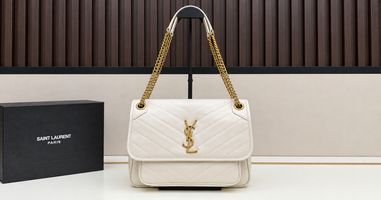
YSL Niki Bag Size Guide: Which Size Should You Choose?
For most shoppers, YSL Niki bag sizing comes down to one tradeoff: Baby keeps proportions compact and works best for edited essentials, while Medium leaves more breathing room when daily carry changes. Crossbody scale, compartment space, and reserve room should guide the choice.
1. What Should You Compare Before Picking a Version?
Start with what changes between lighter and busier days.
A nearly identical set of essentials makes space requirements easy to judge. Workdays, travel, errands, or longer schedules introduce more variation and make spare room useful.
Crossbody coverage matters too. Compact dimensions tend to feel easier across the torso, while added width becomes more noticeable during extended wear.
2. Does Carrying Position Change Which Version Feels Better?
Yes. Shoulder carry places most quilted surface beside clothing, so extra width usually feels less prominent. Crossbody wear brings more of the bag across the torso and makes differences in scale easier to notice.
For frequent crossbody use, YSL Niki shoulder bag proportions at the compact end may feel better even when occasional extra room would help.
Mostly shoulder wear makes moving up in size easier to accommodate visually.
3. Which Items Put the Most Pressure on Space?
Not every item affects interior room equally.
Flat pieces such as cards, a slim wallet, or small paper items are easier to distribute between two sections. Thick glasses cases, structured pouches, chargers, or compact cosmetic cases consume depth much faster and can make one compartment feel full before overall capacity is exhausted.
This distinction is more useful than counting item numbers. Two people may carry six pieces each yet need very different amounts of space depending on thickness and rigidity.
4. Why Does Interior Division Matter?
Two compartments create a different packing pattern from one open cavity. Smaller pieces can be separated into groups, keeping frequently reached items easier to find.
Restriction appears when one object is thick enough to consume much of a single section. Overall room may seem sufficient, yet compartment proportions still determine what sits comfortably.
Packing style therefore matters as much as exterior scale.
5. When Does Baby Make More Sense?
Smaller proportions suit lighter, edited carry and reduce visual coverage during crossbody wear. Shorter outings, dinners, and routines centered on essentials also favor this direction.
For those needs, YSL Niki Baby preserves recognizable quilting and flap styling without carrying unused space.
Baby becomes less convincing once packing repeatedly reaches its upper range or useful items need to be left behind.
6. How Much Freedom Should Each Compartment Have?
Each section works better when contents can shift slightly instead of being packed edge to edge.
That small amount of room helps frequently used pieces come out more easily and reduces pressure around thicker objects. It also prevents one section from becoming difficult to access simply because another item has been added.
Good sizing therefore means more than making everything fit. Each compartment should remain usable after regular essentials are inside.
7. When Is It Time to Check the Actual Product?
Once preferred scale is becoming clear, product information can confirm whether current configuration matches expectations.
Looking at YSL Niki at this stage lets you verify material, strap setup, interior construction, and available version before making a final decision.
Product checking works best here because the main size direction is already established. Remaining details confirm the choice rather than reopen it.
8. What If Both Versions Hold Your Essentials?
Then proportion should decide.
Set storage aside and consider which footprint works better with how you dress and carry bags. Baby keeps quilting visually compact, while Medium lets more texture register against clothing.
Crossbody wear usually makes this contrast easiest to judge.
When both versions handle daily essentials comfortably, visual balance matters more than small differences in room.
9. When Does Medium Become Worth Moving Up To?
Medium becomes more persuasive when contents fluctuate or when spare room reduces daily repacking. It also suits anyone who prefers a stronger quilted presence and does not mind added scale across the torso.
For those needs, YSL Niki Medium brings greater flexibility without changing the basic interior layout.
Moving up offers less benefit when most extra room would remain empty and compact proportions already feel comfortable.
10. What If Size Is No Longer Your Main Uncertainty?
Sometimes comparing room does not resolve hesitation because the real question is whether Niki itself fits your wardrobe and carrying preferences.
In that situation, the complete Niki decision path considers styling character, shoulder versus crossbody use, Baby and Medium positioning, and who is most likely to enjoy this model.
Returning to that broader view is more useful than continuing to compare dimensions when both versions already meet everyday needs.
11. When Does Medium Save You From Repacking?
Medium becomes more useful when the same essentials need to be rearranged repeatedly just to make Baby work.
If a case has to move sections, a pouch must be removed, or smaller pieces need careful stacking whenever one extra item enters, added room starts serving a real purpose.
A YSL Niki bag in the roomier direction reduces that friction when this pattern happens regularly.
If packing already feels simple and predictable, compact proportions remain easier to justify.
12. Which Version Should You Choose?
Choose Baby if daily carry stays light, crossbody scale matters, and you prefer a compact quilted presence.
Choose Medium if contents expand across different days, spare room would reduce repacking, or stronger proportions suit the way you wear bags.
If both hold everything you need, let visual scale decide. If neither feels clearly right, return to the broader model decision before narrowing the choice further.
Sophia Carter
Sophia Carter is a fashion writer focused on luxury accessories,designer handbags,and modern styling.She creates practical guides that help shoppers evaluate materials,understand design details,and choose pieces for different occasions.