
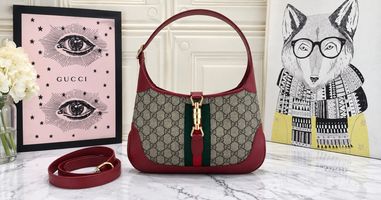
Gucci Jackie 1961 Bag: What to Know Before Choosing One
Among curved shoulder styles, Gucci Jackie 1961 bag options stand out for their piston closure and flexible carrying setup rather than a rigid boxy form. Size, material, access, and strap configuration should lead the decision.
Those elements affect more than appearance. One version may sit neatly beneath the arm, while another can feel more substantial once filled or positioned lower against the body.
Jackie therefore makes more sense when evaluated as something to carry rather than viewed only from the front. How it behaves after loading, how easily the opening can be reached, and where the body lands all matter before color becomes the deciding factor.
1. Start With How You Want the Bag to Sit
Jackie’s curved body creates a different wearing experience from a strongly rectangular bag. The lower line follows the torso more closely, so placement becomes part of the design.
A shorter setup keeps the body higher beneath the arm. Added strap length changes that relationship and can make the bag feel visually longer.
Clothing affects the result too. A position that works over a thin top may feel tighter once outerwear adds volume around the shoulder.
So carrying position is a better starting question than color: do you want the bag tucked relatively high, or more space between the shoulder and the top of the bag?
2. Place Jackie Within the Type of Bag You Already Prefer
Curved shoulder styles create a different experience from totes or structured flap bags, and Jackie leans strongly into that distinction. The format stays compact around the body and emphasizes the arc of the base.
Jackie occupies a particular place within gucci shoulder bag options because the piston hardware and rounded profile create a different opening and wearing experience from designs built around a large flap or straight top edge.
That distinction matters in repeated use. Accessing the interior, adjusting the strap, and keeping the body positioned comfortably all become part of the decision.
If those characteristics match what you already like in a shoulder bag, narrowing the remaining choices becomes easier.
3. How the Curved Opening Affects Packing
The top opening follows the same rounded logic as the rest of the bag, so usable space is not distributed like it would be inside a straight-sided tote or boxy shoulder design.
Items that fit comfortably near the center may feel more restricted toward the upper edges. This becomes more noticeable as the interior fills.
Instead of asking only how much the bag holds, consider which areas remain easiest to reach once several items are inside.
That makes Jackie less about maximum volume and more about arranging contents around its construction.
4. Mini and Medium Change the Overall Proportion
Mini keeps the visual footprint compact and concentrates the curved profile into a smaller area against the torso.
Medium gives the body more presence and creates more separation between the opening, base, and side panels. That difference can make the design feel less compressed even before anything is placed inside.
Once loaded, the two formats can diverge further. Mini reaches its practical threshold sooner, while medium leaves more room before contents begin pressing toward the opening.
The more useful distinction is how each size changes proportion, opening access, and the amount of space the bag occupies against the body.
5. Let Daily Carry Decide Which Size Works
Measurements provide context, but the final size decision should come from what needs to fit comfortably rather than from exterior dimensions alone.
Differences between Gucci Jackie 1961 bag sizes become much clearer when usable room and shoulder position are considered together. Extra capacity has little value if the resulting proportions feel larger than you want, while a compact version may become inconvenient if the opening is constantly crowded.
Height should not be treated as the only guide either. Two people with similar proportions can prefer different sizes because their carrying needs and preferred bag position differ.
The better choice leaves enough room for easy access without making the body feel unnecessarily large.
6. Material Alters the Character of the Same Design
Leather puts more attention on the uninterrupted curve, grain, and hardware. Because the surface is quieter, construction becomes more noticeable.
GG canvas introduces pattern across more of the exterior, changing how quickly the bag is recognized and giving the surface a stronger visual presence.
The difference extends beyond appearance. Surface response, maintenance expectations, softness, and repeated handling can all influence which version feels easier to live with.
The useful comparison is whether you prefer the material to remain restrained or contribute more strongly to the bag’s overall presence.
7. Think Beyond the First Few Weeks of Use
Leather can gradually show changes in areas that receive repeated contact. Handles, edges, and sections that rest against clothing may develop differently depending on finish and use.
Canvas creates another wear pattern because textile areas and leather trim respond differently.
Differences among Gucci Jackie bag versions become clearer over time, especially for someone expecting frequent use.
Color interacts with this decision too. Some finishes make changes easier to notice, while others visually soften them.
For a deeper comparison, material changes across leather and GG canvas can help determine which construction better matches the way the bag will actually be handled.
8. The Closure Changes the Rhythm of Daily Access
The piston mechanism is visually important, but its functional effect matters just as much. Every time the bag is opened or secured, that hardware becomes part of the interaction.
A defined closure can feel reassuring for someone who prefers a more deliberate open-and-close action. Those who favor a wide, instantly open top may need to decide whether this format suits their routine.
The curved opening also means access should be considered together with interior load. What feels simple when the bag is lightly filled can become less convenient if contents are pressed close to the top.
It is worth judging the closure as a functional part of the design rather than treating it only as a recognizable feature.
9. Carry Height Changes Where the Piston Hardware Sits
The piston closure becomes part of the visual balance once the bag is worn. Kept higher beneath the arm, the hardware sits closer to the upper torso and the curved body appears more compact.
Lower positioning gives the front of the bag more visual space. That can make the closure easier to see and change how prominent the hardware feels within the outfit.
Clothing weight changes the relationship again. When Gucci Jackie 1961 shoulder bag styles are worn over thicker layers, the bag may sit farther from the body even when the strap setting remains unchanged.
This is why strap length should be judged together with closure position rather than treated as a separate technical measurement.
10. Confirm the Exact Version Before Moving to the Product Page
Once preferred size and material are clear, the next step is checking the specific configuration rather than relying on general information about the family.
Look closely at the strap arrangement, lining, interior pocket layout, hardware finish, and measurements of the version being considered. Small differences here can matter more than another round of broad comparison.
This is the right stage to review the current product configuration directly on the product page. By now, the question is no longer whether Jackie works in general but whether that particular version matches the decision already made.
A visually similar variation may still carry differently if its strap setup or interior organization changes.
11. The Curved Base Changes How the Interior Organizes
The rounded lower section creates a different internal layout from bags built around flat, straight walls. Contents tend to settle toward the center and lower portion rather than lining up evenly from side to side.
That can make the middle of the interior more useful than the outer edges, especially when several objects are carried together.
Interior organization also affects how much of the space remains genuinely usable. In Gucci Jackie 1961 bag designs, the curve matters because contents that sit comfortably near the center may leave less practical room toward the sides.
Leaving some room around the opening and side areas can make the interior easier to use.
12. Let Jackie’s Hardware and Curve Set the Visual Weight
The visual effect comes from more than material or color. Jackie’s curved base and piston hardware create two strong reference points: one defines the lower outline, while the other draws attention toward the upper front of the bag.
Solid leather makes those structural elements easier to notice because less surface pattern competes for attention. GG canvas shifts some of that focus toward the exterior material itself.
Scale changes the balance again. A compact format keeps the curve and hardware concentrated, while a larger body gives both elements more space within the outfit.
That change in scale also affects how much visual presence each format creates. The mini and medium size comparison looks more closely at how proportion, opening space, and carrying behavior differ between the two.
13. Carrying Style Can Be the Final Filter
At this stage, size and material may already be narrowed down. Carrying preferences can separate Gucci Jackie shoulder bag versions that otherwise look equally suitable.
Keeping the bag higher on the shoulder may call for a different strap arrangement from wearing it with more room between the arm and the body.
Layering matters too. A setup that feels right during warmer months may behave differently once thicker clothing changes the available shoulder space.
The guide to shoulder position, strap length and daily carry goes further into those differences for anyone deciding between carrying configurations.
14. Build the Decision in the Right Order
Begin with the format itself: curved shoulder body, defined closure, and the way the bag sits against you. If that combination works, move on to the amount of interior room required.
Material should come next because it changes both visual character and long-term surface behavior. Strap configuration can then determine whether the version remains comfortable across the situations in which it will actually be used.
Color and hardware finish are easier decisions after those larger questions have been settled. They refine the choice instead of compensating for a size or carrying setup that was wrong from the beginning.
The strongest choice is the version in which proportion, access, surface, and carrying position support one another.
Sophia Carter
Sophia Carter is a fashion writer focused on luxury accessories,designer handbags,and modern styling.She creates practical guides that help shoppers evaluate materials,understand design details,and choose pieces for different occasions.