Sophia Carter | 15 hours ago

Gucci Jackie 1961 Mini and Medium: How the Two Sizes Actually Differ

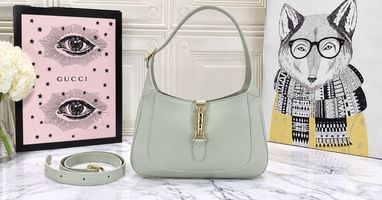
For lighter carry and a tighter profile, choosing Gucci Jackie 1961 mini tends to make more sense. Medium is better suited to someone who values easier interior access, more usable room, and a stronger presence on the shoulder. The difference goes beyond capacity because each size behaves differently once carried.


Mini concentrates the curved design into a smaller area, while Medium creates more space between the opening, base, and side panels. That changes not only what fits but also how the bag relates to the body.


The better size depends on how much room you need, where you prefer the bag to sit, and whether compact proportions or easier access matter more in regular use.


1. How the Piston Hardware Changes With Scale


The piston closure occupies a larger share of the front visually on Mini because the surrounding body is more compact. The hardware therefore feels closely tied to the bag’s identity.


Medium gives the same element more room. Its curved body, opening, and front panel create greater separation, so the closure sits within a broader composition.


Once both sizes are worn, Mini draws attention toward the closure more quickly, while Medium distributes visual weight across more of the outline. Scale changes how the same signature hardware reads before capacity even enters the decision.


2. Medium Creates More Space Around the Design


The distinction becomes clearer once the bag moves from a product image to the shoulder. A larger body changes how the lower curve, hardware, and side profile relate to one another.


For more presence without moving into a substantially larger format, Gucci Jackie 1961 medium offers a better balance between usable room and shoulder proportion.


The piston closure also feels less concentrated within the broader front area. Medium therefore works well when the Jackie design is meant to register clearly as part of the outfit rather than behave as a smaller accent.


3. Mini Keeps the Profile More Concentrated


Mini takes the opposite approach. The curved base and front hardware sit closer together, creating a tighter visual footprint.


That can work particularly well when the goal is to keep the bag controlled against the body. It also leaves more visual space around clothing with stronger proportions or layered elements.


The trade-off appears once the interior begins filling. Less distance between contents, opening, and side panels means organization matters sooner.


Mini works best when compactness is intentional rather than something accepted after the size has already been chosen.


4. The Smaller Interior Changes How the Opening Feels


The curved opening becomes more important as available room decreases. Contents placed near the center may fit comfortably while the upper edges begin to feel restricted sooner.


That effect deserves attention when considering Gucci Jackie 1961 mini bag for its cleaner exterior proportions. Enough space around the opening makes the smaller format easier to use.


Trying to fill every available area can make the interior feel more crowded than the exterior suggests. With a lighter load, however, the compact construction becomes an advantage because the body stays controlled without unnecessary volume.


5. Medium Leaves More Room Before Crowding Begins


Medium creates more breathing room before contents start pressing toward the upper curve. The interior can therefore feel less compressed during regular use.


The benefit is not simply that more fits. Additional room allows objects to settle without immediately interfering with access.


That difference is most useful when the bag carries a moderate load. If much of the extra space would stay empty, the larger body may add more presence than practical value.


6. Check the Exact Configuration After Choosing a Size Direction


Size should narrow the decision without finishing it. Strap arrangement, material, interior construction, and hardware can still change how a specific version performs.


Once those priorities are clear, narrowing the search to Gucci Jackie 1961 bag options becomes much easier because the comparison is focused on versions that already fit the preferred size direction.


Reviewing this bag configuration on the product page can then confirm the features that matter for the final choice instead of reopening the entire comparison.


Establish the right scale first; verify the exact product setup afterward.


7. The Same Shoulder Position Does Not Look Identical


Even when Mini and Medium sit at a similar height, they do not create the same relationship with the torso.


Mini leaves more open space around the bag because its curved base spans a smaller area. Medium occupies more of the side profile, so the same shoulder position can look fuller and more deliberate.


This difference is especially visible beneath the arm. Mini appears more tucked in, while Medium lets the Jackie curve extend farther across the torso.


The contrast comes from scale rather than wearer height alone, making side-by-side positioning more useful than a fixed height rule.


8. Mini Makes Sense When Compactness Is Intentional


A smaller size works best when keeping the profile restrained is one of the main goals.


For lighter routines, the compact proportions of Gucci Jackie 1961 mini keep the curved body close to the torso while preserving the piston hardware and recognizable outline. It works especially well when a larger shoulder bag would occupy more visual space than needed.


The trade-off is simple: a smaller exterior requires more selectivity about what goes inside.


9. Size Should Fit the Larger Jackie Decision


Mini and Medium should not be judged separately from material, closure preference, and strap setup. A size that initially looks right can become less suitable once those variables enter the decision.


Leather may make one format feel quieter, while GG canvas can increase the visual presence of the same dimensions. Strap position can shift that balance again.


Anyone still weighing those factors together can return to the broader Jackie selection context before narrowing the size further.


That keeps size from carrying too much of the decision in a design where several elements affect the final experience.


10. Medium Works Better When Access Matters More Than Minimal Scale


Compactness is not always the most useful priority. Regular carry can make easier access and less interior compression more important than keeping the exterior as small as possible.


When that balance shifts, stepping up to Gucci Jackie 1961 medium becomes easier to justify because the extra room supports organization as well as capacity.


Once the interior is used consistently, the benefit becomes clearer. Less precise packing is required, and the opening has more room to remain accessible.


Medium therefore makes more sense when greater tolerance in daily packing matters more than minimal scale.


11. Curved-Opening Space May Decide the Better Size


The most revealing size difference can appear near the top rather than at the base. Both formats use the same curved design logic, but Mini has less surrounding room before contents begin approaching the opening.


Medium leaves a larger buffer between what is carried and the upper curve. Opening, closing, and reaching inside can therefore feel less dependent on precise packing.


Mini remains effective when the interior load stays controlled.


Once contents regularly occupy most of the available space, however, the curved opening can become a more meaningful constraint than the external dimensions suggest.


For someone deciding between the two, the amount of free room desired around that opening may tell more than total capacity alone.


12. Choose the Size That Remains Easy to Use


The final decision should make sense before the bag is packed. Consider where you want it to sit, how much room you usually need, and whether a compact accent or stronger shoulder presence fits better.


Then think about several hours of use rather than an empty product image. Clothing, contents, and strap position can all alter the result.


Mini succeeds when maintaining a smaller footprint is central to the decision. Medium succeeds when extra room and easier access matter enough to justify its greater presence.

Sophia Carter

Sophia Carter is a fashion writer focused on luxury accessories,designer handbags,and modern styling.She creates practical guides that help shoppers evaluate materials,understand design details,and choose pieces for different occasions.

Related Posts

Gucci Marmont Bag for Everyday Use: Is It Practical for Daily Carry?Gucci Marmont Bag for Everyday Use: Is It Practical for Daily Carry?
Gucci Marmont Bag for Everyday Use: Is It Practical for Daily Carry?

1. The Short Answer


Daily practicality depends first on carrying amount, access frequency, and strap comfort. Gucci Marmont bag for everyday use makes more sense when those factors already fit the routine, especially in a format that leaves some flexibility without encouraging unnecessary packing.


Small flap formats usually provide the broadest range for regular rotation. Compact versions make more sense when the carrying list stays short and the bag is not expected to absorb changing needs across the day.


The deciding factor is whether contents remain easy to reach, the closure works comfortably, and the chain position still feels manageable after extended wear.


2. Daily Use Starts With the Opening


A bag reached for repeatedly during the day needs an opening that feels easy rather than merely attractive. Flap construction creates a polished front, but every access requires lifting the flap and handling the closure.


That extra movement may barely register during shorter plans. It becomes more noticeable while commuting, moving between locations, or reaching inside several times in a short period.


Think about how frequently you normally need access during a full day. If that number is high, opening comfort deserves nearly as much attention as interior room.


A practical construction should make repeated use feel straightforward.


3. Does the Interior Stay Easy to Use as the Day Changes?


Morning contents may be simple, yet daily use rarely stays identical from one hour to the next. A receipt, sunglasses case, small purchase, or another personal item can change how easy the interior feels later.


That changing load makes Gucci Marmont bag practicality easier to judge than testing the interior only when everything is carefully arranged. The important question is whether the bag still works once the original packing order shifts.


An interior that requires constant rearranging can become frustrating even when there is technically enough space. Leaving a little unused room usually matters more than fitting one additional item.


The better test is not “Can everything fit?” but “Can everything still be reached comfortably later in the day?”


4. A Full Day Requires More Than Enough Space


Space is only one part of daily practicality. Weight distribution, access, strap position, and how the bag rests against clothing become easier to notice over time.


A lightly packed version can feel very different once more is added. Extra contents increase load on the chain and may change how the body of the bag sits.


For regular use, leaving some unused room helps retrieval and reduces pressure around the closure.


A bag that feels manageable only when everything is arranged perfectly may become inconvenient once the schedule changes.


5. Longer Wear Changes the Carrying Experience


A chain can feel comfortable during a short outing and noticeably different later. Duration matters because the same pressure area becomes easier to notice after continuous wear.


Clothing changes the result as well. Lightweight fabrics allow the strap to sit closer to the body, while jackets or heavier layers can raise the bag and alter where the chain rests.


Switching between shoulder and crossbody wear may help during a longer day. That flexibility can matter more than a minor difference in storage.


Judge comfort against the length of time the bag will realistically stay on the body, not a brief first impression.


6. Confirm the Version Around the Way You Will Use It


General guidance can narrow the decision, but the final check should focus on the exact version and the situations it needs to handle.


Access photographs, side views, strap attachment points, and interior images are useful because Gucci Marmont shoulder bag styling may look consistent from the front while the carrying experience changes between constructions.


Review the featured style before settling on the exact version. Check whether the opening appears easy to reach, the strap supports your preferred carrying position, and the interior layout suits repeated access.


This final review should confirm how the bag will behave during use, not simply repeat listed specifications.


7. Packing Habits Can Make the Same Bag Feel Different


Someone who carries a stable set of belongings can judge daily practicality more easily because the interior requirement changes very little.


A less predictable schedule creates another challenge. Some days remain light; others introduce one or two extra items that quickly reduce usable room.


Instead of judging the bag during the lightest day, picture a moderately busy one. That gives a more realistic sense of whether the format leaves enough flexibility.


Repeated overpacking usually signals that the selected construction is working against the routine.


8. Styling Versatility Helps Daily Rotation


A design used regularly needs to work across more than one type of outfit. Quilting, chain elements, and the curved profile can move from casual daytime clothing into more polished settings when the proportions already suit the wearer.


Compact formats usually create a lighter visual effect. Slightly larger versions have more presence and can support days when practical carrying matters just as much as appearance.


Once the format already suits daily use, Gucci Marmont women's bag styling can work across casual daytime wear and more polished plans during the week without requiring the rest of the outfit to be built around the bag.


Color and finish should come later. A versatile finish cannot correct an opening, strap position, or interior that feels inconvenient.


9. Longer Days Expose Small Practical Problems


A bag can feel completely suitable during a short outing and less convincing by the end of a busy day.


Minor frustrations become easier to notice. The chain may feel heavier, opening the flap can become repetitive, or an interior that was tidy in the morning may become harder to navigate.


Think about the stage of the day when carrying requirements are highest. If the bag still feels manageable then, it has a stronger chance of staying in regular rotation.


Practicality is revealed by repeated ease rather than first impressions.


10. Daily Use Should Not Require Constant Preparation


A good everyday bag should feel straightforward to pick up. You should not need to switch wallets, remove useful belongings, or rethink clothing every time it comes into rotation.


Once access, capacity, and carrying comfort feel familiar, Gucci Marmont bag use becomes much easier to integrate into a normal routine. That ease says more about daily suitability than how polished the bag looks when empty.


The interior should already suit expected contents, the strap should work across frequently worn clothing, and the closure should become intuitive after repeated handling.


If every use requires preparation, the design may still be appealing but less convincing as a regular daily piece.


11. When Daily Use May Be Less Convincing


The design may be less suitable as a primary everyday bag when the routine requires a very wide opening, highly structured organization, or frequent carrying of bulky items.


Chain comfort can also become decisive when the bag stays on the body for many hours. A feature that contributes strongly to the appearance may not match every carrying preference.


If the broader construction is still unresolved, the full Marmont decision guide explains how format, capacity, and carrying style affect the overall selection.


The important distinction is between liking the design and finding the construction practical enough for repeated use.


12. Who Gets the Most Value From Daily Use?


The strongest match is someone whose regular belongings fit comfortably, who likes the chain-and-quilting design enough to wear it frequently, and who does not require a highly structured interior.


Repeated use makes Gucci Marmont bag for everyday use more convincing when capacity, comfort, and styling already fit the rhythm of the week.


That makes the design useful when one bag needs to move from casual daytime plans into more polished settings without a complete styling change.


Daily value becomes weaker when the interior feels restrictive, the chain becomes uncomfortable, or the opening does not suit frequent access.


13. A Practical Way to Make the Decision


Start by testing the routine rather than the appearance.


Check whether regular belongings fit without forcing the interior, whether access stays comfortable once the day becomes less orderly, and whether the strap position works across the clothing worn most frequently.


Then picture extended use rather than a short outing.


• The interior should leave some usable room.


• The closure should remain easy to operate.


• The chain should feel manageable for the expected carrying time.


• The bag should work without repeated repacking.


If those conditions are met, the design is far more likely to stay in regular rotation instead of becoming something reserved for limited use.
<p>Gucci Jackie 1961 Bag: What to Know Before Choosing One</p><p>Gucci Jackie 1961 Bag: What to Know Before Choosing One</p>

Gucci Jackie 1961 Bag: What to Know Before Choosing One

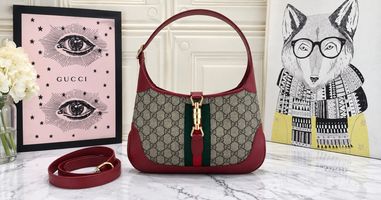
Among curved shoulder styles, Gucci Jackie 1961 bag options stand out for their piston closure and flexible carrying setup rather than a rigid boxy form. Size, material, access, and strap configuration should lead the decision.


Those elements affect more than appearance. One version may sit neatly beneath the arm, while another can feel more substantial once filled or positioned lower against the body.


Jackie therefore makes more sense when evaluated as something to carry rather than viewed only from the front. How it behaves after loading, how easily the opening can be reached, and where the body lands all matter before color becomes the deciding factor.


1. Start With How You Want the Bag to Sit


Jackie’s curved body creates a different wearing experience from a strongly rectangular bag. The lower line follows the torso more closely, so placement becomes part of the design.


A shorter setup keeps the body higher beneath the arm. Added strap length changes that relationship and can make the bag feel visually longer.


Clothing affects the result too. A position that works over a thin top may feel tighter once outerwear adds volume around the shoulder.


So carrying position is a better starting question than color: do you want the bag tucked relatively high, or more space between the shoulder and the top of the bag?


2. Place Jackie Within the Type of Bag You Already Prefer


Curved shoulder styles create a different experience from totes or structured flap bags, and Jackie leans strongly into that distinction. The format stays compact around the body and emphasizes the arc of the base.


Jackie occupies a particular place within gucci shoulder bag options because the piston hardware and rounded profile create a different opening and wearing experience from designs built around a large flap or straight top edge.


That distinction matters in repeated use. Accessing the interior, adjusting the strap, and keeping the body positioned comfortably all become part of the decision.


If those characteristics match what you already like in a shoulder bag, narrowing the remaining choices becomes easier.


3. How the Curved Opening Affects Packing


The top opening follows the same rounded logic as the rest of the bag, so usable space is not distributed like it would be inside a straight-sided tote or boxy shoulder design.


Items that fit comfortably near the center may feel more restricted toward the upper edges. This becomes more noticeable as the interior fills.


Instead of asking only how much the bag holds, consider which areas remain easiest to reach once several items are inside.


That makes Jackie less about maximum volume and more about arranging contents around its construction.


4. Mini and Medium Change the Overall Proportion


Mini keeps the visual footprint compact and concentrates the curved profile into a smaller area against the torso.


Medium gives the body more presence and creates more separation between the opening, base, and side panels. That difference can make the design feel less compressed even before anything is placed inside.


Once loaded, the two formats can diverge further. Mini reaches its practical threshold sooner, while medium leaves more room before contents begin pressing toward the opening.


The more useful distinction is how each size changes proportion, opening access, and the amount of space the bag occupies against the body.


5. Let Daily Carry Decide Which Size Works


Measurements provide context, but the final size decision should come from what needs to fit comfortably rather than from exterior dimensions alone.


Differences between Gucci Jackie 1961 bag sizes become much clearer when usable room and shoulder position are considered together. Extra capacity has little value if the resulting proportions feel larger than you want, while a compact version may become inconvenient if the opening is constantly crowded.


Height should not be treated as the only guide either. Two people with similar proportions can prefer different sizes because their carrying needs and preferred bag position differ.


The better choice leaves enough room for easy access without making the body feel unnecessarily large.


6. Material Alters the Character of the Same Design


Leather puts more attention on the uninterrupted curve, grain, and hardware. Because the surface is quieter, construction becomes more noticeable.


GG canvas introduces pattern across more of the exterior, changing how quickly the bag is recognized and giving the surface a stronger visual presence.


The difference extends beyond appearance. Surface response, maintenance expectations, softness, and repeated handling can all influence which version feels easier to live with.


The useful comparison is whether you prefer the material to remain restrained or contribute more strongly to the bag’s overall presence.


7. Think Beyond the First Few Weeks of Use


Leather can gradually show changes in areas that receive repeated contact. Handles, edges, and sections that rest against clothing may develop differently depending on finish and use.


Canvas creates another wear pattern because textile areas and leather trim respond differently.


Differences among Gucci Jackie bag versions become clearer over time, especially for someone expecting frequent use.


Color interacts with this decision too. Some finishes make changes easier to notice, while others visually soften them.


For a deeper comparison, material changes across leather and GG canvas can help determine which construction better matches the way the bag will actually be handled.


8. The Closure Changes the Rhythm of Daily Access


The piston mechanism is visually important, but its functional effect matters just as much. Every time the bag is opened or secured, that hardware becomes part of the interaction.


A defined closure can feel reassuring for someone who prefers a more deliberate open-and-close action. Those who favor a wide, instantly open top may need to decide whether this format suits their routine.


The curved opening also means access should be considered together with interior load. What feels simple when the bag is lightly filled can become less convenient if contents are pressed close to the top.


It is worth judging the closure as a functional part of the design rather than treating it only as a recognizable feature.


9. Carry Height Changes Where the Piston Hardware Sits


The piston closure becomes part of the visual balance once the bag is worn. Kept higher beneath the arm, the hardware sits closer to the upper torso and the curved body appears more compact.


Lower positioning gives the front of the bag more visual space. That can make the closure easier to see and change how prominent the hardware feels within the outfit.


Clothing weight changes the relationship again. When Gucci Jackie 1961 shoulder bag styles are worn over thicker layers, the bag may sit farther from the body even when the strap setting remains unchanged.


This is why strap length should be judged together with closure position rather than treated as a separate technical measurement.


10. Confirm the Exact Version Before Moving to the Product Page


Once preferred size and material are clear, the next step is checking the specific configuration rather than relying on general information about the family.


Look closely at the strap arrangement, lining, interior pocket layout, hardware finish, and measurements of the version being considered. Small differences here can matter more than another round of broad comparison.


This is the right stage to review the current product configuration directly on the product page. By now, the question is no longer whether Jackie works in general but whether that particular version matches the decision already made.


A visually similar variation may still carry differently if its strap setup or interior organization changes.


11. The Curved Base Changes How the Interior Organizes


The rounded lower section creates a different internal layout from bags built around flat, straight walls. Contents tend to settle toward the center and lower portion rather than lining up evenly from side to side.


That can make the middle of the interior more useful than the outer edges, especially when several objects are carried together.


Interior organization also affects how much of the space remains genuinely usable. In Gucci Jackie 1961 bag designs, the curve matters because contents that sit comfortably near the center may leave less practical room toward the sides.


Leaving some room around the opening and side areas can make the interior easier to use.


12. Let Jackie’s Hardware and Curve Set the Visual Weight


The visual effect comes from more than material or color. Jackie’s curved base and piston hardware create two strong reference points: one defines the lower outline, while the other draws attention toward the upper front of the bag.


Solid leather makes those structural elements easier to notice because less surface pattern competes for attention. GG canvas shifts some of that focus toward the exterior material itself.


Scale changes the balance again. A compact format keeps the curve and hardware concentrated, while a larger body gives both elements more space within the outfit.


That change in scale also affects how much visual presence each format creates. The mini and medium size comparison looks more closely at how proportion, opening space, and carrying behavior differ between the two.


13. Carrying Style Can Be the Final Filter


At this stage, size and material may already be narrowed down. Carrying preferences can separate Gucci Jackie shoulder bag versions that otherwise look equally suitable.


Keeping the bag higher on the shoulder may call for a different strap arrangement from wearing it with more room between the arm and the body.


Layering matters too. A setup that feels right during warmer months may behave differently once thicker clothing changes the available shoulder space.


The guide to shoulder position, strap length and daily carry goes further into those differences for anyone deciding between carrying configurations.


14. Build the Decision in the Right Order


Begin with the format itself: curved shoulder body, defined closure, and the way the bag sits against you. If that combination works, move on to the amount of interior room required.


Material should come next because it changes both visual character and long-term surface behavior. Strap configuration can then determine whether the version remains comfortable across the situations in which it will actually be used.


Color and hardware finish are easier decisions after those larger questions have been settled. They refine the choice instead of compensating for a size or carrying setup that was wrong from the beginning.


The strongest choice is the version in which proportion, access, surface, and carrying position support one another.

Prada Arqué Bag for Work, Travel, and Dinner: When Does It Work Best?Prada Arqué Bag for Work, Travel, and Dinner: When Does It Work Best?
Prada Arqué Bag for Work, Travel, and Dinner: When Does It Work Best?

Work, travel, and dinner can all suit this model, but not for the same reason. Prada Arqué bag makes the strongest case when each setting requires a compact personal bag rather than work equipment, heavy travel storage, or a long list of extras.


Its zipped closure, curved leather body, and adaptable carry make it flexible across different parts of the day. The main question is whether each situation matches its compact format.


1. Which Types of Days Suit It Best?


Days built around personal essentials are the easiest match. Commuting without a laptop, city appointments, meals out, shopping, and lighter travel schedules all fit the format well.


The bag becomes less convincing once a day requires documents, electronics, bottles, large cosmetics, or other equipment. Those needs change its job from personal carry to general storage.


That distinction is useful because a compact bag does not have to handle every part of a schedule to be practical. It only needs a clear role.


2. Can It Work for the Office?


Yes, particularly when the workday involves moving between a desk, meetings, lunch, and after-work plans without needing to carry equipment in the same bag.


A Prada women's Arqué leather shoulder bag fits this type of schedule because its curved leather profile can remain appropriate beside tailoring during office hours and still feel suitable after the workday becomes more social.


Laptop-based routines are different. When chargers, files, notebooks, or technology must stay together, Arqué works more naturally as the smaller bag used alongside separate work storage.


Its office value therefore comes from transition rather than capacity: it can remain relevant after larger work items are no longer needed.


3. What Kind of Commute Makes Sense?


Short or moderate commutes suit it best when the bag only needs to manage personal belongings.


Zipped closure is useful around public transport, busy streets, elevators, and other places where keeping the main compartment closed matters. Compact proportions also reduce bulk when moving between crowded spaces.


A commute becomes less suitable when the same bag must accommodate notebooks, chargers, documents, or larger technology. That is a role mismatch rather than a flaw in the design.


4. Is It Practical for Travel Days?


Its strongest travel role appears during movement between stages of a trip: airport arrival, security, boarding, hotel transfer, city transit, and meals after check-in.


Keeping a smaller bag separate from cabin luggage means frequently needed belongings do not have to move in and out of a larger case at every stop.


This also lets the same bag continue into the destination instead of becoming useful only during transit. Once luggage is left at the hotel, there is no need to reorganize the entire carry setup before heading out again.


Travel becomes less suitable when one small bag is expected to absorb everything required for an extended day away from luggage.


5. Does It Make Sense for Dinner?


Dinner is one of the easier settings for this design because capacity demands usually fall while appearance becomes more important.


Someone considering a Prada Arqué shoulder bag for this role gets a compact leather profile, zipped main compartment, and enough structure to work beside dresses, tailoring, skirts, or cleaner evening separates.


Its size also avoids the visual weight of a larger daytime bag. For meals where only phone, small wallet, keys, and a few personal items are needed, the format feels appropriately scaled.


6. Can It Move From Daytime Into Evening?


Yes, provided daytime requirements stay relatively light.


The curved leather body does not lock the bag into one styling direction, so it can move from denim or office separates into dinner clothing without looking out of place. Removing unnecessary daytime items before evening can also keep the profile cleaner.


This day-to-evening flexibility is strongest for people whose schedules change settings more than storage needs.


7. When Does This Use Case Stop Making Sense?


Problems usually begin when compact personal carry is asked to become high-capacity storage.


A workday requiring equipment, a travel day built around many backup items, or a long outing involving several bulky necessities can push the format beyond the role it handles best.


Anyone deciding whether those tradeoffs still fit the intended routine can use the use-case suitability framework for the wider assessment of construction, capacity, materials, and overall ownership fit.


The better question is not whether more items can physically be added, but whether the bag still performs comfortably once the day becomes more demanding.


8. How Does It Work With Seasonal Clothing?


Warm-weather clothing leaves the bag visually exposed, making its curved profile a stronger part of the outfit. Dresses, shirts, light tailoring, and knitwear all allow the leather body to remain clearly visible.


Colder months change how the bag sits because coats and layered clothing add volume around the torso and shoulder.


For Prada women's Arqué small leather shoulder bag, seasonal usefulness therefore depends less on fashion rules and more on whether the preferred carrying position still feels comfortable over thicker clothing.


Someone who rotates between light and heavy layers should account for that change before assuming one setup will feel identical year-round.


9. Is It Suitable for a Full Day Out?


A full day can suit this model when the schedule changes setting without repeatedly increasing what needs to be carried.


Coffee, meetings, lunch, shopping, and dinner may all happen in one day, yet the bag can remain appropriate if the contents stay broadly consistent from one stop to the next.


This is different from a schedule where every stage adds something new. Purchases, paperwork, extra electronics, or larger personal items can gradually turn a well-matched morning setup into an overloaded evening one.


The better fit is therefore a long day built around transitions, not a long day built around accumulation.


10. Who Gets the Most Use From It?


Someone who already separates personal essentials from larger work or travel equipment is likely to get the clearest value.


In that type of routine, Prada Arqué bag does not need to act as a tote, organizer, and travel bag at once. It can remain focused on compact personal carry while larger items stay elsewhere.


That makes it especially useful for mixed schedules: office followed by dinner, airport followed by city walking, or shopping followed by an evening plan.


Its flexibility comes from moving between settings without needing to change its core purpose.


11. When Is Another Bag Format More Practical?


Choose more capacity when the day's success depends on carrying larger work tools, a bottle, substantial cosmetics, multiple chargers, documents, or several rigid items.


A larger format is also more practical when constant access to many separate belongings matters more than keeping the overall carry compact.


Arqué works better when the day can be edited down. If that editing feels inconvenient every time the bag is used, the intended routine is probably asking for a different size or format.


12. Is It Better for Occasional Use or Regular Rotation?


Regular rotation makes the strongest case when several days each week include transitions between different settings without major changes in what needs to be carried.


A lighter office day, lunch meeting, city appointment, short trip, or dinner after work can all create separate reasons to reach for the same compact leather bag.


That is where Prada Arqué shoulder bag becomes more than a bag reserved for isolated plans: it fills a repeatable role across a weekly schedule.


If most days require high-capacity storage from morning to evening, however, the model is more likely to remain a secondary choice.


13. Where Does It Fit Best Overall?


Its strongest territory sits between miniature evening bags and larger work or travel formats.


For work, it performs best as a personal essentials bag rather than primary office storage. During travel, it makes the most sense beside luggage. For dinner, its compact leather profile and zipped closure fit the setting particularly well.


Longer mixed schedules can also work when carry requirements stay restrained from morning into evening.


That makes the model most suitable for someone whose day changes context more frequently than it changes storage needs.

<p>Prada Arqué Carrying Guide: Shoulder or Crossbody?</p><p>Prada Arqué Carrying Guide: Shoulder or Crossbody?</p>

Prada Arqué Carrying Guide: Shoulder or Crossbody?

Short shoulder carry suits someone who wants the bag close to the body and easy to reach, while a longer strap setup is better for hands-free movement. Prada Arqué shoulder bag works in both directions, but height, outerwear, packed weight, and preferred bag position determine which setup feels more practical.


Neither configuration is automatically better. The useful choice depends on where the bag sits, how frequently items need to be reached, and how long it will be worn.


1. What Changes Between Short and Long Carry?


Shorter carry keeps the curved body higher against the torso. This position can feel more controlled when moving between indoor spaces, meals, shops, or shorter walks.


Using the longer strap lowers the curved body and changes how closely it stays against the torso. That can be preferable during travel or longer periods outside when hands-free movement matters more.


Visual effect changes too. Higher placement makes the curved silhouette more noticeable near the upper body, while longer carry creates more separation between clothing and bag.


2. When Does Short Shoulder Carry Work Best?


Short carry is useful when quick access matters. Wallet, phone, or keys remain closer to hand, and the bag is less likely to shift during brief periods of walking.


For Prada Arqué bag, this configuration also keeps its curved profile more compact against the body. That can work especially well beside jackets, knitwear, fitted tops, or clean tailoring.


Someone planning to take the bag on and off frequently may also prefer this setup because the handle is easier to manage than a longer strap that needs repositioning.


3. What Should You Check Before Using the Longer Strap?


Start by thinking about where the bag should land rather than focusing only on total strap length. A comfortable position around the hip can matter more than the measurement itself.


Body proportions can shift that placement noticeably. Two people using the same strap setting may end up with the bag resting at different heights.


Clothing changes the result again. Thick outerwear adds volume beneath the strap, so a setting that sits well over a shirt may need adjustment once layers become heavier.


4. How Does the Leather Version Sit on the Body?


Curved construction helps the lower edge follow the body more closely than a rigid rectangular design. Placement still depends on strap setting, clothing thickness, and how much is packed inside.


A lightly packed version should remain easier to position than one carrying several dense objects. Added weight can pull the bag lower and increase movement during walking.


For Prada Arqué leather shoulder bag, anyone trying to estimate where the longer strap may sit on the body can match the listed measurements against the exact version here: https://www.loueio.com/products/prada-arque-women-shoulder-bag-ptre11


That comparison is more useful than judging strap length in isolation, since personal height and clothing layers can change the final position.


5. Is Crossbody Carry Practical for Everyday Movement?


It can be, particularly when hands-free movement matters more than keeping the bag high on the shoulder. Travel, shopping, public transport, and longer walks are situations where a longer configuration can become more convenient.


Crossbody placement also changes access. The bag may need to be moved slightly toward the front before opening the zipper, depending on where it sits against the hip.


Anyone reaching for a phone or wallet repeatedly may prefer a higher position, while someone prioritizing hands-free movement may accept that extra step.


6. Which Setup Works Better Over Jackets?


Light layers leave more freedom around the shoulder, while heavier coats can reduce space under a short handle and change how securely the bag sits.


That is where Prada Arqué shoulder bag gains practical value from having more than one carrying setup. Moving to the longer strap can create extra clearance when outerwear becomes bulkier.


Structured coats, padded jackets, and oversized knits each affect placement differently, so seasonal clothing is worth considering before settling on one strap position.


7. Does Packing Weight Change the Best Carrying Position?


Yes. Added weight changes both how firmly the strap sits and how much the curved body moves during walking.


A compact set of dense items can feel more noticeable than a larger number of lighter belongings. Short carry keeps that weight closer to the torso, while longer carry creates more freedom for the hands but may allow slightly more movement.


Testing carry style against the belongings used most frequently gives a more realistic answer than judging comfort from an empty bag.


8. Who Benefits Most From the Small Leather Version?


Someone who keeps daily carry concise is the clearest match. Compact proportions make the design easier to move between short shoulder carry and a longer setup without turning it into a bulky crossbody.


When Prada Arqué small leather shoulder bag is packed lightly, its curved body and adjustable carrying options can remain the main advantages rather than capacity becoming the dominant concern.


Those who regularly carry larger items may find that added weight changes both comfort and placement, even if everything technically fits inside.


9. Which Carry Is Better for Frequent Access?


Short shoulder carry usually wins when phone, wallet, or keys need to be reached repeatedly. Higher placement reduces how far the bag needs to travel before the zipper can be opened.


Longer carry makes more sense when access frequency is lower and keeping both hands free matters more.


There is also a middle ground. Adjusting the longer strap so the bag sits above the lowest possible position can preserve hands-free use while keeping the opening closer to the torso.


This is one reason fixed labels such as “shoulder” or “crossbody” do not explain the full wearing experience.


10. What Should You Decide Before Choosing This Model?


First decide where the bag should sit most of the time. Someone who prefers high shoulder placement has different requirements from someone who expects longer hands-free wear.


Then consider clothing, walking time, packed weight, and access frequency. Prada Arqué bag makes more sense when at least one carrying configuration fits those needs without repeated strap adjustment.


Capacity is only one part of the purchase decision. The broader ownership assessment covers construction, materials, daily usefulness, and whether this model fits the wider purpose expected from it.


That wider check is useful before treating strap versatility by itself as enough reason to choose the bag.


11. Which Carrying Setup Is the Better Choice?


Choose short shoulder carry when quick access, closer placement, and a cleaner upper-body position matter most.

Choose the longer strap when hands-free movement, outerwear clearance, or extended walking carries more weight in the decision.


People likely to use both configurations gain the most from the design. Rather than forcing one permanent setup, the bag can shift according to clothing, route, packed weight, and how much access is needed during the day.


The stronger match is a wearer who expects to switch carry positions as clothing, route, and access needs change.

YSL Niki Medium Bag: What Fits and Is It Practical for Everyday Use?YSL Niki Medium Bag: What Fits and Is It Practical for Everyday Use?
YSL Niki Medium Bag: What Fits and Is It Practical for Everyday Use?

For daily use, a YSL Niki Medium bag makes the most sense when extra room improves access and organization. It suits changing carry needs well, especially when divided storage would feel restrictive once thicker pieces or additional essentials enter the routine.


1. What Makes Medium Work as a Daily Size?


Daily practicality depends on whether both compartments remain easy to use after regular essentials go inside.


More interior freedom becomes useful when items can stay separated without crowding upper edges or making access awkward. Worn scale also needs to feel proportionate, especially for frequent crossbody carry.


Someone who gains useful working room without feeling overwhelmed by the larger footprint is getting a real benefit from moving up. If added dimensions are noticed more than improved access, Medium is probably solving the wrong problem.


Usable interior space and comfortable proportions matter more than larger measurements by themselves.


2. Who Benefits Most From Added Room?


Changing contents create one of the clearest reasons to move up. Fixed, compact carry rarely needs much reserve space, while thicker cases, pouches, or temporary additions can quickly put pressure on divided storage.


That is where YSL Niki Medium starts to feel more practical: each section has more freedom to stay organized without forcing smaller pieces into tight gaps.


People who consistently carry very little may notice increased dimensions more than any benefit from added space.


3. How Does Divided Storage Behave in Regular Use?


Two sections help separate smaller groups of items instead of letting everything collect in one cavity. One side can hold frequently reached essentials while another keeps less-used pieces out of the way.


That separation becomes more valuable when both groups need to stay accessible rather than stacked together. It also makes it easier to keep one section relatively stable even when the other changes during the day.


Difficulty begins when several rigid objects compete for depth, though the roomier format leaves more space around them. Compartment boundaries still influence what can sit comfortably together.


4. How Much Working Space Should Each Section Keep?


Useful room means more than fitting everything inside. Each section should retain enough clearance for reaching and replacing contents without disturbing nearby pieces.


A little working space around organized groups also reduces tight stacking near upper edges. That can matter when one section holds items reached several times a day and the other carries pieces that stay put for longer.


If every item must be placed in one exact position for the layout to work, capacity is technically sufficient but daily use may still feel restrictive.


That is why usable clearance matters more than filling every available corner.


5. When Should You Check Product Configuration?


Once capacity needs feel clear, product details become more useful than continued general comparison.


If Medium already matches how you expect to carry the bag, checking the YSL Niki shoulder bag product page is a logical next step for confirming material, strap setup, interior construction, finish, and exact configuration.


At that stage, product information should confirm a decision rather than restart the size search.


6. Does Filling Both Sections Change Access?


Yes. Access becomes less fluid when both sections are packed tightly near their upper edges.


Thicker objects can reduce room around smaller pieces, and even this size becomes inconvenient once every section reaches its limit. Items placed near the flap area can also make quick access less efficient because nearby pieces have less room to shift.


Leaving some movement inside keeps repeated access easier and makes the divided layout feel more useful rather than more restrictive.


7. Is Medium Better for Shoulder or Crossbody Wear?


Both carrying positions work, but each changes how the size feels.


On one shoulder, added width usually appears less dominant because more of the bag rests beside the body. When a YSL Niki bag is worn crossbody, more quilted surface moves across the torso, so overall scale and strap position become easier to notice.


Crossbody use can therefore make Medium feel more substantial even when capacity is helpful. Shoulder wear tends to place more emphasis on how the bag falls at the side rather than how much space it occupies across the front.


Anyone expecting long periods of crossbody wear should judge worn proportion just as carefully as interior usefulness.


8. What Happens When One Section Carries More Than the Other?


Perfectly even packing is unlikely every day. One section may hold several frequently used pieces while another remains relatively open.


That imbalance is easier to manage when each side has enough breathing room to preserve its own purpose without forcing identical loads. A fuller section can remain usable without pushing overflow into the second side purely to make everything close.


This suits people who give each compartment a different function instead of distributing items only for symmetry.


9. What If Medium Still Feels Uncertain?


Capacity questions sometimes hide broader hesitation about model choice.


If quilting, softer construction, carrying position, or overall styling still feel unresolved, carry-and-style checkpoint returns to full model evaluation before size becomes final.


That step helps when Medium looks practical on paper but uncertainty remains about whether this design fits how you actually dress and carry bags.


10. When Does Medium Feel Too Large for Daily Use?


Unused space becomes a drawback when normal contents occupy only a small portion of what is available.


For someone whose routine stays light, YSL Niki Medium bag proportions may become more noticeable than capacity itself. Added width makes little sense if it does not solve a recurring storage or access problem.


That can happen even when Medium looks attractive visually. If everyday carry leaves both compartments mostly open, extra dimensions are serving appearance more than function.


This size earns its place when additional room gets used regularly.


11. When Does Added Capacity Stop Improving Convenience?


More space helps only while it improves access, organization, or flexibility.


Once regular essentials sit comfortably and both compartments remain easy to use, further unused room adds little practical value. At that stage, the benefit of moving up has already peaked.


A useful cutoff is simple: greater capacity should change daily handling in a noticeable way. If packing and access feel almost identical in a smaller option, larger dimensions are unlikely to add much.


12. Who Should Stay With a Smaller Option?


Compact sizing still makes more sense when contents stay edited, crossbody wear dominates, and reduced body coverage matters more than reserve space.


Someone who rarely carries thicker cases or additional pouches may find a smaller YSL Niki bag easier to live with across the week. Carrying extra dimensions every day just to prepare for occasional additions brings limited practical benefit.


Smaller sizing also makes sense when you prefer most of the bag's visual effect to come from quilting and strap treatment rather than from overall scale.


Medium is strongest when added room solves something recurring rather than hypothetical.


13. Is Medium the Better Everyday Choice?


Medium works better for everyday use when divided storage regularly feels tight, thicker objects belong in normal carry, or extra interior freedom prevents repeated rearranging. It also makes sense when both compartments remain easy to use after essentials are packed and the larger footprint still feels comfortable on the shoulder or crossbody.


Stay smaller when daily contents remain compact, interior organization already feels easy, and extra width would be more noticeable than any gain in usability. Occasional need for additional space is not enough reason to carry larger proportions every day.


Medium becomes the stronger choice when its extra room changes how smoothly the bag works across the week. If both compartments stay accessible without careful packing and the worn scale still feels right, the added capacity is serving a clear purpose.

YSL Niki Baby or Medium: Which Size Fits Your Carrying Needs?YSL Niki Baby or Medium: Which Size Fits Your Carrying Needs?
YSL Niki Baby or Medium: Which Size Fits Your Carrying Needs?

YSL Niki Baby or Medium depends mainly on how much depth your essentials require and how much quilted surface you want across the body. Baby favors compact carry and smaller proportions; Medium makes more sense when thicker items, changing contents, or extra packing freedom regularly matter.


1. Which Difference Matters Most in Daily Use?


Exterior scale is easy to notice, but interior depth usually exposes the practical difference faster.


Several flat essentials can fit efficiently because divided storage separates them into smaller groups. Thick cases, structured pouches, or chargers use available depth much faster and can change which option feels comfortable.


Before deciding, look less at total item count and more at which pieces consume the most room.


That approach gives a clearer answer than trying to build an unusually large packing list.


2. When Does the Smaller Option Feel More Complete?


Compact proportions work particularly well when essentials stay consistent and little space is needed for additions later.


Someone carrying a slim wallet, phone, keys, and a few smaller pieces may find YSL Niki Baby sufficient without sacrificing the recognizable quilted look. Placed crossbody, its reduced footprint also allows more clothing to remain visible around it.


Choosing this direction becomes harder when one or two thicker objects regularly compete for compartment depth.


3. How Do Strap Position and Torso Width Affect the Choice?


Crossbody fit is influenced by more than overall bag width. Strap position determines where the quilted body lands, while torso width changes how much of that surface sits across the front or side.


A compact version can remain closer to one side of the body, especially when worn higher. Medium may extend farther across the torso or settle more noticeably toward the hip depending on strap length.


Shoulder carry reduces this effect because most of the body sits beside clothing.


If both options provide enough room, judge where each one would sit rather than relying only on exterior measurements.


4. When Does More Interior Room Become Worthwhile?


Additional space starts earning its place when packing changes frequently or certain pieces need rearranging to fit comfortably.


Instead of repeatedly moving cases or stacking smaller items around them, YSL Niki Medium gives more room for variation while retaining divided organization. Medium is described as spacious, whereas Baby is positioned as lightweight, although both use two compartments and rear flat storage.


Moving up makes less sense when those extra dimensions would rarely support anything you actually carry.


5. Do Two Compartments Favor One Option Over the Other?


Compartment design makes packing style especially important.


Flat pieces distribute efficiently between sections. One rigid case may consume much of one section's usable depth, leaving remaining objects dependent on the other compartment.


That means smaller sizing can work surprisingly well for an organized set of slim essentials but feel restrictive once several bulky pieces enter the same routine.


Medium does not change how storage is divided; it simply provides more breathing room around that structure.


6. What If You Are Still Unsure About the Model Itself?


Size comparison only helps once the overall design already feels right.


If quilting, covered logo treatment, softer construction, or convertible carry remain open questions, YSL Niki bag sizing should not be the final decision yet. Style-fit check covers those characteristics along with carrying position and overall suitability before narrowing the choice to one version.


That route is more useful than debating a few centimeters when uncertainty actually concerns the design itself.


7. What Happens When One Compartment Needs Temporary Extra Space?


Divided storage works smoothly when each section has a clear role, but that balance can change once another item needs to be added.


In Baby, one thicker addition may force nearby pieces into the second compartment and disrupt an otherwise tidy setup. Medium leaves more room for that temporary shift without changing where everything else normally sits.


This difference matters most for people who like consistent organization. Extra capacity then supports the existing layout rather than simply increasing how much can be carried.


8. How Much Does Shoulder Carry Change the Decision?


Shoulder carry tends to make increased width easier to absorb visually because quilted surface falls beside the body. Crossbody placement makes overall footprint more noticeable.


For someone considering a YSL Niki shoulder bag primarily for shoulder wear, moving toward the roomier option may therefore feel less dramatic than expected.

Once preferred proportion is clear, exact product configuration can be confirmed here: https://www.loueio.com/products/yves-saint-laurent-niki-chain-women-shoulder-bag-reie10


This step is most useful after capacity and carrying position have already narrowed the choice.


9. What If Both Options Fit Everything You Carry?


Then stop making capacity the deciding factor.


Compare how much unused room remains, whether either option requires careful arranging, and how each scale works against the torso. Enough space in both versions means practical requirements have already been met.


At that point, smaller proportions favor a quieter footprint, while greater surface area creates more emphasis on quilting and flap construction.


Personal preference becomes more useful than searching for another technical difference.


10. Which Version Handles Thick Items More Easily?


Depth-hungry pieces expose size differences faster than slim essentials.

A structured glasses case, compact pouch, or thicker accessory can occupy much of one section in Baby, leaving less flexibility around it. Medium provides more space around such objects, which helps preserve access to smaller items sharing the same compartment.


This does not mean thick items automatically require Medium. If only one such piece is carried and the second section remains lightly packed, Baby can still work.


Move up when several rigid or bulky pieces regularly compete for the same interior depth.


11. Which One Should You Choose?


Pick the smaller direction when essentials stay edited, crossbody footprint matters, and added capacity would mostly remain unused. A YSL Niki bag in the roomier size is more convincing when thick items appear regularly, packing changes during the day, or extra interior freedom solves a recurring need.


When both handle your contents comfortably, use worn proportion as the final filter.


Compact scale should win because you prefer how it carries—not simply because it is smaller. Extra room should win because it solves a recurring need—not simply because more space is available.

<p>Prada Arqué Bag Capacity: What Fits and How Much Can You Carry?</p><p>Prada Arqué Bag Capacity: What Fits and How Much Can You Carry?</p>

Prada Arqué Bag Capacity: What Fits and How Much Can You Carry?

Compact rather than spacious, this design works best for a phone, small wallet, keys, earbuds, and a few personal items. For light daily carry, Prada Arqué bag capacity is usually sufficient; rigid cases, large pouches, or bulky objects consume usable depth much faster.


Curved construction also affects packing efficiency. Useful room depends not just on dimensions, but on how individual belongings sit inside its rounded proportions.


1. How Much Can You Actually Carry?


Product code 1BC194 measures approximately 18.5 cm high, 22.5 cm wide, and 6 cm deep. Prada also indicates room for a large smartphone, small wallet, and other compact items.


Those proportions suit core personal essentials rather than equipment-heavy use. Slim wallets and flat accessories preserve more flexibility than several thick objects.


Capacity is better judged by what needs to travel each day than by item count.


2. Which Essentials Make the Most Sense?


Phone, wallet, keys, earbuds, and one or two compact personal-care items form a practical starting set.


Slim objects work especially well around curved interior sections. Card holders, flat key pouches, lip products, or compact chargers can occupy smaller areas without taking over main storage space.


Sunglasses deserve separate consideration because protective cases may consume considerably more room than glasses themselves.


3. Does a Phone and Wallet Leave Enough Room?


For light carry, usually yes. Phone and compact wallet can form the main layer, leaving smaller areas available for keys, earbuds, or another small item.


Long wallets or thick bifolds change packing efficiency much faster than slim card holders, particularly once another rigid item enters the compartment.


Inside Prada Arqué bag, free space near the curved upper section matters because the zipper follows that rounded line. Keeping wallet and phone slightly below the opening makes retrieval cleaner than packing objects right up against the closure.


4. Why Does 6 cm of Depth Matter?


Depth is one of the most useful measurements for judging this model. Width and height may suggest adequate room, but thicker objects compete within only 6 cm of depth.


Because Arqué narrows toward its curved upper section, usable depth is not distributed evenly from base to zipper. Flat belongings settle more efficiently toward the broader central area, while bulky pieces can interrupt that layout quickly.


Two packing lists with similar item counts can therefore behave very differently inside this specific silhouette.


5. What Happens When You Add Sunglasses?


Frames themselves rarely create much difficulty. Hard sunglasses cases can occupy a noticeable share of available depth and change how remaining essentials sit.


Slim protective sleeves preserve more room around wallet and phone. When a large rigid case is essential, placing it first makes the rest of the packing decision easier.


Daytime use is where this matters most: carrying sunglasses inside Prada Arqué shoulder bag can alter how much room remains for wallet, keys, and other essentials.


6. Can You Carry Cosmetics and Personal Items?


Yes, provided selection stays compact. Lipstick or balm, small mirror, sanitizer, and another small item are easier to distribute than one thick cosmetic pouch.


Soft pouches adapt to available room, but heavy filling quickly takes depth away from wallet or sunglasses storage.


For shorter outings, carrying fewer cosmetic items keeps access easier without sacrificing essentials.


7. Does the Small Leather Version Feel Restrictive?


That depends on what needs to travel. Core personal items suit this format better than bottle, notebook, large power bank, or multiple pouches.


Zipped access also benefits from free room near the upper interior. Packing right up to closure level can make retrieval less efficient even before capacity is technically exhausted.


Trying to stretch Prada Arqué small leather shoulder bag into a high-capacity role is where the format starts to feel restrictive; used for a concise daily carry, its proportions make much more sense.


8. How Should You Arrange Items Inside?


Start with whichever flat object occupies most space, usually phone or wallet. Smaller pieces can then settle into remaining areas around it.


Nappa leather lining includes a patch pocket suitable for separating cards, receipts, or another slim item from main contents.


Keeping thicker pieces beside each other rather than stacked can preserve clearer access to zipper and frequently used belongings.


9. When Does the Bag Start to Feel Too Full?


Practical capacity is reached when the rounded upper area starts becoming crowded, even if the zipper can still close. That usually shows up when a phone or wallet has to be tilted or shifted before it can pass cleanly through the opening.


Capacity, however, answers only part of the purchase question. Decision criteria beyond capacity cover construction, carrying configurations, wardrobe compatibility, and how this model fits into a broader bag rotation.


Once retrieval starts fighting against the curved opening, Prada Arqué leather shoulder bag is being packed beyond its most efficient range. If that happens daily, a larger format usually makes more sense.


10. Is It Enough for Commuting?


It can work well for personal essentials during commuting, particularly when work equipment travels separately.


Phone, wallet, keys, earbuds, transit items, and a few compact extras fit its scale. Tablet, notebook, bottle, or document folder changes requirements substantially.


Compact capacity can therefore work for commuting without serving as primary work storage.


11. When Is the Capacity Most Useful?


Its size suits errands, meals out, shopping, and travel days where mobility matters more than carrying numerous belongings.

This role becomes especially useful when larger totes already cover work or higher-capacity needs, leaving lighter days to a smaller leather format.


For that kind of rotation, choosing Prada Arqué shoulder bag means using compact capacity as a deliberate advantage rather than expecting one bag to cover every storage need.


12. When Should You Choose a Larger Bag Instead?


More capacity makes sense when several bulky items are non-negotiable: long wallet, bottle, tablet, sizeable cosmetic pouch, hard sunglasses case, or large power bank.


Within this curved 6 cm-deep interior, easy access matters more than squeezing in one additional object. If frequently used belongings remain difficult to reach after editing what you carry, a larger format will fit better.


Phone, compact wallet, keys, earbuds, and a few small essentials suit this design well. Substantially heavier daily loads belong in a roomier bag.

Prada Arqué Bag: What Should You Know Before Choosing One?Prada Arqué Bag: What Should You Know Before Choosing One?
Prada Arqué Bag: What Should You Know Before Choosing One?

For anyone choosing a compact leather bag for a phone, small wallet, keys, and a few personal items, portability matters more than maximum capacity. The Prada Arqué bag combines a zipped opening, curved profile, and two carrying configurations that can move between casual and more polished wardrobes.


Its strongest appeal comes from secure closure, leather construction, and adaptable carry. A tablet, large wallet, water bottle, or several bulky extras will quickly push beyond what this format is designed to handle.


1. Who Is This Bag Best Suited To?


Arqué makes the most sense for a person who wants a compact designer bag without moving into miniature territory. Its proportions leave room for core daily items while keeping the overall appearance streamlined.


It can suit commutes built around essentials, lunch or dinner plans, shopping trips, and travel days where a larger tote would feel unnecessary. The design also allows a shift between short shoulder carry and a longer strap configuration.


Capacity expectations matter. This model is not intended to replace a tote or large work bag, so it works best when the packing list remains selective.


2. What Does the Small Leather Version Offer?


The small leather version uses calfskin and measures approximately 18.5 cm high, 22.5 cm wide, and 6 cm deep for product code 1BC194. Prada lists a detachable adjustable leather handle plus a detachable adjustable leather shoulder strap.


For anyone researching the Prada women's Arqué small leather shoulder bag, those specifications explain much of its appeal: compact proportions, a fully enclosed main compartment, and more than one carrying position.


A zipper secures the interior, while the Nappa leather lining includes a patch pocket. Metal hardware and the enameled triangle logo complete the exterior.


3. Is the Interior Large Enough for Daily Essentials?


The interior is better treated as allocated space rather than general-purpose storage. The 1BC194 version is designed to accommodate a large smartphone, a small wallet, and other compact items.


A phone, card holder or small wallet, keys, earbuds, and one small cosmetic item form a realistic starting set. Sunglasses or another rigid object may require more deliberate packing because the 6 cm depth leaves limited spare room.


This format suits a concise daily carry far better than routinely adding backup items throughout the day.


4. Where Does This Model Fit in the Collection?


Arqué sits toward the compact, curved end of the assortment rather than the structured work-bag or high-capacity end. Its appeal comes from pairing a softer visual line with a clean leather exterior.


When comparing a Prada shoulder bag, reviewing the shoulder bag choices can help clarify whether this smaller curved format fits the intended role better than a larger, boxier, or more compartmentalized design.


The useful question is whether capacity, closure, carrying positions, and proportions match the way the bag will actually be used.


5. What Can You Realistically Carry?


A better way to judge capacity is to begin with non-negotiable items instead of trying to fill every centimeter. A phone and compact wallet usually take priority, followed by keys, earbuds, and one or two small personal items.


Rigid cases consume usable room quickly. Large sunglasses cases, bulky key sets, chargers, or cosmetic pouches can reduce flexibility inside the compartment and make retrieval less efficient.


Leaving a little unused room also helps preserve easier access to the zipper and main compartment.


6. Does the Zipper Make a Practical Difference?


Yes. A zipped main compartment adds security for phones, cards, keys, and other small valuables, particularly during commuting or travel.


The curved upper line means access should be considered alongside packing density. When the interior stays moderately filled, daily items remain easier to reach. Packing it tightly can make retrieval less convenient.


Readers who want a closer look at usable space can continue with the Arqué what-fit analysis, which focuses on packing combinations and practical capacity.


People who strongly prefer immediate open-top access may prefer another design. For anyone prioritizing closure, the zipper is a meaningful advantage.


7. How Does the Curved Profile Affect Its Style?


The half-moon-inspired body separates this design visually from rectangular crossbody bags, box bags, and larger totes. Curved proportions soften the overall appearance while leather and metal hardware preserve a polished finish.


Because the exterior stays comparatively restrained, the Prada Arqué bag can pair with denim, tailored trousers, skirts, dresses, coats, and cleaner casual wardrobes without requiring a highly specific outfit formula.


The stronger test is whether that profile works with clothing already owned. A bag that fits an existing wardrobe is more likely to earn repeated use than one chosen mainly because the silhouette feels new.


8. How Useful Is the Interior Pocket?


A patch pocket does not turn the interior into a multi-compartment organizer, but it can separate one small flat item from the main storage area.


That makes sense for a card, receipt, or another slim object that would otherwise move around beside a phone and keys. Larger belongings still share the primary compartment.


People who prefer several dedicated sections may find the layout simple. Those who already use a small pouch or carry relatively few items may prefer that cleaner interior arrangement.


9. How Flexible Are the Carrying Options?


Product code 1BC194 includes a detachable adjustable leather handle and a separate detachable adjustable leather shoulder strap. Prada lists the longer strap between 83 and 93 cm, with a drop between 55 and 60 cm.


Those measurements create more flexibility than a fixed short-strap design, although the best position still depends on height, clothing layers, torso proportions, and preferred bag placement.


The Arqué strap-and-carry review examines these configurations more closely, including when short shoulder carry or a longer hands-free position may be the better fit.


10. What Should You Consider for Longer Wear?


Strap width, drop, clothing layers, packed weight, and body proportions can all influence comfort after several hours.


A selective packing list preserves the advantage of the smaller format. Dense chargers, larger cosmetics, or other heavy extras can make the bag less comfortable even when they technically fit.


For longer walking days, it also helps to decide whether hands-free carry will matter for most of the time.


11. Is Leather the Right Material for Your Routine?


Calfskin creates a more leather-focused appearance than Prada designs built primarily around technical fabric. It can move between daytime clothing and dressier outfits, though care requirements should still enter the decision.


The Prada women's Arqué small leather shoulder bag uses calfskin for its main exterior and Nappa leather inside, giving this version a polished material presentation rather than a sportier or utility-led character.


Prada advises avoiding overloading, strong heat and light, plus contact with oils, cosmetics, and perfume. Storage in the protective bag is recommended when the item is not being used.


Material preference should therefore account for both appearance and the level of care the owner is willing to maintain.


12. Which Color Is Easiest to Integrate?


Color should be selected from the wardrobe outward. Black works easily around dark denim, tailoring, coats, and monochrome outfits, while lighter neutrals can pair well with cream, beige, and pale denim.


Someone who already owns several black shoulder bags may gain more variety from another neutral. A person buying one compact Prada leather bag for frequent rotation may prefer the tone that coordinates with the greatest share of existing clothing and shoes.


Hardware, leather tone, and logo contrast also affect how noticeable the bag feels once worn.


13. Which Situations Suit This Bag Best?


This model works most naturally when daily plans require compact personal carry rather than larger work or travel storage. Office days without equipment, city appointments, meals out, and lighter travel schedules all fit that role well.


Its usefulness becomes less certain once the day starts adding documents, larger electronics, bottles, or several bulky personal items. In those situations, the issue is not style but whether the bag is being asked to handle more than its compact format is designed for.


The day-to-evening suitability guide looks more closely at how this model performs across work, travel, dinner, full-day schedules, and repeated weekly use.


That extra context is useful for anyone deciding whether the bag fits one isolated setting or can realistically move across several parts of the week.


14. Who Is Most Likely to Be Happy With This Model?


A concise daily carry and preference for a secure zipped opening create the clearest match. Flexible strap configurations also make the design easier to use across different clothing and different parts of the day.


The Prada Arqué shoulder bag becomes especially convincing when the intended contents are a phone, small wallet, keys, earbuds, and a few compact personal items rather than larger work or travel necessities.


It becomes less suitable when the intended role includes a tablet, large pouch, full-size bottle, substantial cosmetics, documents, or several bulky accessories. A larger model makes more sense in that situation.


The strongest fit appears when size, access, strap arrangement, and wardrobe role all support the same daily need.


15. What Should You Check Before Making the Final Choice?


Start by listing what must fit every day, then compare those items against the 18.5 × 22.5 × 6 cm dimensions and compact interior.


Next, decide whether a zipped opening suits the intended routine and which strap position is likely to receive the most use.


Finally, compare the curved silhouette against bags already in the wardrobe. If it adds a useful carrying role rather than duplicating something already owned, the case for choosing it becomes stronger.


Compact capacity, secure closure, leather construction, and multiple carrying configurations make this model a strong candidate for a light daily carry. People needing substantially more storage should compare larger Prada styles before deciding.

YSL Niki Bag Size Guide: Which Size Should You Choose?YSL Niki Bag Size Guide: Which Size Should You Choose?
YSL Niki Bag Size Guide: Which Size Should You Choose?

For most shoppers, YSL Niki bag sizing comes down to one tradeoff: Baby keeps proportions compact and works best for edited essentials, while Medium leaves more breathing room when daily carry changes. Crossbody scale, compartment space, and reserve room should guide the choice.


1. What Should You Compare Before Picking a Version?


Start with what changes between lighter and busier days.


A nearly identical set of essentials makes space requirements easy to judge. Workdays, travel, errands, or longer schedules introduce more variation and make spare room useful.


Crossbody coverage matters too. Compact dimensions tend to feel easier across the torso, while added width becomes more noticeable during extended wear.


2. Does Carrying Position Change Which Version Feels Better?


Yes. Shoulder carry places most quilted surface beside clothing, so extra width usually feels less prominent. Crossbody wear brings more of the bag across the torso and makes differences in scale easier to notice.


For frequent crossbody use, YSL Niki shoulder bag proportions at the compact end may feel better even when occasional extra room would help.


Mostly shoulder wear makes moving up in size easier to accommodate visually.


3. Which Items Put the Most Pressure on Space?


Not every item affects interior room equally.


Flat pieces such as cards, a slim wallet, or small paper items are easier to distribute between two sections. Thick glasses cases, structured pouches, chargers, or compact cosmetic cases consume depth much faster and can make one compartment feel full before overall capacity is exhausted.


This distinction is more useful than counting item numbers. Two people may carry six pieces each yet need very different amounts of space depending on thickness and rigidity.


4. Why Does Interior Division Matter?


Two compartments create a different packing pattern from one open cavity. Smaller pieces can be separated into groups, keeping frequently reached items easier to find.


Restriction appears when one object is thick enough to consume much of a single section. Overall room may seem sufficient, yet compartment proportions still determine what sits comfortably.


Packing style therefore matters as much as exterior scale.


5. When Does Baby Make More Sense?


Smaller proportions suit lighter, edited carry and reduce visual coverage during crossbody wear. Shorter outings, dinners, and routines centered on essentials also favor this direction.


For those needs, YSL Niki Baby preserves recognizable quilting and flap styling without carrying unused space.


Baby becomes less convincing once packing repeatedly reaches its upper range or useful items need to be left behind.


6. How Much Freedom Should Each Compartment Have?


Each section works better when contents can shift slightly instead of being packed edge to edge.


That small amount of room helps frequently used pieces come out more easily and reduces pressure around thicker objects. It also prevents one section from becoming difficult to access simply because another item has been added.


Good sizing therefore means more than making everything fit. Each compartment should remain usable after regular essentials are inside.


7. When Is It Time to Check the Actual Product?


Once preferred scale is becoming clear, product information can confirm whether current configuration matches expectations.


Looking at YSL Niki at this stage lets you verify material, strap setup, interior construction, and available version before making a final decision.


Product checking works best here because the main size direction is already established. Remaining details confirm the choice rather than reopen it.


8. What If Both Versions Hold Your Essentials?


Then proportion should decide.


Set storage aside and consider which footprint works better with how you dress and carry bags. Baby keeps quilting visually compact, while Medium lets more texture register against clothing.


Crossbody wear usually makes this contrast easiest to judge.


When both versions handle daily essentials comfortably, visual balance matters more than small differences in room.


9. When Does Medium Become Worth Moving Up To?


Medium becomes more persuasive when contents fluctuate or when spare room reduces daily repacking. It also suits anyone who prefers a stronger quilted presence and does not mind added scale across the torso.


For those needs, YSL Niki Medium brings greater flexibility without changing the basic interior layout.


Moving up offers less benefit when most extra room would remain empty and compact proportions already feel comfortable.


10. What If Size Is No Longer Your Main Uncertainty?


Sometimes comparing room does not resolve hesitation because the real question is whether Niki itself fits your wardrobe and carrying preferences.


In that situation, the complete Niki decision path considers styling character, shoulder versus crossbody use, Baby and Medium positioning, and who is most likely to enjoy this model.


Returning to that broader view is more useful than continuing to compare dimensions when both versions already meet everyday needs.


11. When Does Medium Save You From Repacking?


Medium becomes more useful when the same essentials need to be rearranged repeatedly just to make Baby work.


If a case has to move sections, a pouch must be removed, or smaller pieces need careful stacking whenever one extra item enters, added room starts serving a real purpose.


A YSL Niki bag in the roomier direction reduces that friction when this pattern happens regularly.


If packing already feels simple and predictable, compact proportions remain easier to justify.


12. Which Version Should You Choose?


Choose Baby if daily carry stays light, crossbody scale matters, and you prefer a compact quilted presence.


Choose Medium if contents expand across different days, spare room would reduce repacking, or stronger proportions suit the way you wear bags.


If both hold everything you need, let visual scale decide. If neither feels clearly right, return to the broader model decision before narrowing the choice further.