
Sophia Carter | Jul 29

Yves Saint Laurent Shoulder Bag Outfits Guide

Start with the Occasion

Good styling begins with the schedule.A bag worn from morning meetings through dinner has a different role from one selected for a short weekend outing.The most useful starting points are formality,carrying time,movement,and the type of clothing required by the setting.

Professional environments usually favor controlled proportions and clean lines.Weekend plans allow softer layers and more relaxed combinations.Evening events place greater emphasis on silhouette,hardware,and visual simplicity.Travel creates another set of priorities because outerwear,walking,and changing temperatures affect how a bag sits against the body.

Decide whether the bag should be the main visual feature or a supporting element before choosing clothes.A distinctive chain,quilted surface,or strong color needs fewer competing accessories.A simple design can work with patterned clothing or more noticeable footwear.This decision prevents an outfit from collecting several unrelated focal points.

An occasion-first approach also makes the bag more versatile.Instead of creating one fixed outfit around it,you can adjust clothing,shoes,and accessories while keeping the same bag appropriate for different parts of the week.


Balance Shape and Proportion

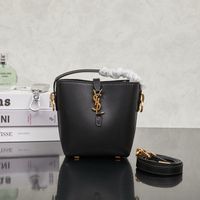
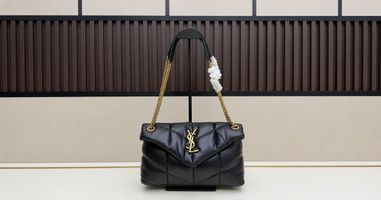
Successful yves saint laurent shoulder bag outfits depend on proportion before color.A softly padded shape adds volume and works naturally with clothing that has a clear outline.A more structured silhouette can sharpen relaxed pieces,such as a knit top,straight jeans,or an unstructured jacket.

Bag position changes the overall effect.A compact shape resting near the waist can define the body and complement fitted clothing.A bag sitting lower at the hip creates a more relaxed line,especially with wide-leg trousers,long coats,or loose dresses.The strap position should look intentional rather than appearing disconnected from the rest of the outfit.

Body proportion matters,but there is no universal rule requiring shorter shoppers to carry only small bags or taller shoppers to select larger ones.Clothing volume is often more important.A compact bag may disappear against an oversized coat,while a larger shape can dominate a fitted dress.The goal is to balance the bag with the outfit being worn that day.

Check the complete look from the front and side.The side view reveals whether the bag adds too much volume near the hip,while the front view shows whether the strap interrupts a lapel,neckline,or decorative detail.Small adjustments to strap position can improve the outfit without changing any clothing.


Create a Polished Daytime Look

Workwear and polished daytime clothing benefit from one clear visual direction.A blazer,straight-leg trousers,and loafers create a controlled base that can support either a structured or softly quilted bag.The clothing does not need to match the bag exactly.Clean proportions and compatible levels of formality matter more than identical colors.

A button-down shirt with dark denim provides a less formal alternative.Keep the denim free from heavy distressing and choose shoes with a defined shape,such as loafers,flats,or low boots.This allows the bag to add refinement without making the outfit feel overdressed.

Dresses require a slightly different approach.A fitted dress usually works best when the bag sits close to the body.A looser shirt dress can support a softer shape or a slightly lower carrying position.When the dress includes pleats,ruffles,or a strong print,reduce the number of additional accessories so the outfit remains balanced.

Outerwear should be considered as part of the look rather than added at the end.A tailored coat creates a smooth background for a chain strap,while a cropped jacket places more emphasis on the bag’s position near the waist.Make sure the strap does not pull a lapel out of place or press a thick seam against the shoulder.

A daytime combination that continues into dinner rarely needs a complete change.Removing a jacket,adding one piece of jewelry,or changing from flats to a low heel can shift the level of formality while preserving the central outfit.


Choose a Versatile Color

The most practical color is not automatically black.It is the color that works with the largest share of clothing already in the wardrobe.Review the jackets,trousers,dresses,and shoes worn during a normal month.A repeated palette usually provides a clearer answer than one carefully planned special-occasion outfit.

Black works naturally with monochrome clothing,denim,tailoring,and stronger colors.Taupe,cognac,and muted gray can soften navy,brown,white,and other neutral combinations.Deep burgundy or dark green can function almost like a neutral while creating more contrast.

A tonal outfit does not require every item to share the same shade.Small differences in depth and texture prevent the combination from looking flat.A dark bag can anchor lighter clothing,while a lighter bag can break up an outfit built from navy,charcoal,or black.

Compare yves saint laurent shoulder bags in different colors,finishes,and structures before deciding which option works with most of your wardrobe.The category link belongs here because color and finish are easier to evaluate when several designs can be viewed together.

Finish also changes how color behaves.A smooth surface may look sharper with tailoring,while a quilted or softly textured surface feels more relaxed with denim and knitwear.Color should therefore be judged together with shape,hardware,and the clothing most likely to accompany it.


Relax the Look for Weekends and Travel

Weekend clothing gives the bag room to appear refined without requiring a formal outfit.Straight jeans,a simple T-shirt,and a lightweight jacket create an effective base.The bag can add structure to the combination,while loafers,flats,or clean sneakers determine whether the result feels polished or casual.

Relaxed trousers and a fitted top create another useful balance.The wider lower half of the outfit provides movement,while the fitted top keeps the shoulder area clear for the strap.If both the top and trousers are oversized,a compact bag may look disconnected from the clothing.Adding a defined jacket or adjusting the strap higher can restore proportion.

Travel outfits require more attention to layers.A bag worn comfortably over a shirt may sit too high over a thick jacket.Test the complete outfit with the outer layer included.The strap should remain accessible,and the bag should not swing excessively while walking through stations,airports,or crowded streets.

Footwear sets the practical limit of the outfit.A bag may look polished,but uncomfortable shoes can make the entire combination unsuitable for a long day.Low-profile sneakers,loafers,and supportive flats work with refined accessories while allowing more walking.A simple color connection between the shoes and one clothing item is usually enough.

Avoid filling every available area with accessories.Sunglasses,a watch,and one jewelry detail can support the look without competing with the chain or hardware.When the bag has a noticeable quilted surface,plain clothing often creates the strongest contrast.

Weekend and travel styling should still reflect normal habits.An outfit that requires constant adjustment will not become more useful simply because it looks balanced in a mirror.The strap,outerwear,and shoes should remain comfortable after several hours of movement.


Refine Dinner and Evening Outfits

Evening styling works best when the outfit has one obvious focal point.A compact bag with decorative hardware can take that role,allowing the dress,suit,or separates to remain visually controlled.A solid-color outfit also gives the chain,closure,and surface texture more space to register.

A fitted black dress is an easy foundation,but it is not the only option.Wide-leg trousers with a silk-blend top can create a refined line without feeling formal.A tailored suit worn with a simple camisole offers another alternative for dinners,celebrations,and gallery events.The bag should support the clothing rather than make every combination feel identical.

Treat hardware as part of the jewelry rather than as a rule.Gold-tone hardware can be worn with mixed metals,and silver-tone details do not require every accessory to match.The more important consideration is visual weight.A substantial chain works well with one or two restrained jewelry pieces,while delicate hardware can support a more noticeable earring or bracelet.

Shoes and bag colors also do not need to be identical.Black shoes can ground a colored bag,and metallic footwear can complement hardware without copying it exactly.When both pieces are decorative,keep the clothing simple.If the dress or suit already includes embellishment,choose restrained shoes and jewelry.

The final check should be made under evening lighting.Dark colors and reflective hardware can appear different from how they look during the day.Confirm that the bag remains visible without becoming the only element the eye notices.


Adjust Texture with the Season

Seasonal styling depends more on texture and layering than on rigid color rules.Spring and summer outfits often use cotton,linen,lightweight denim,and fluid dresses.These materials create a clean background for smooth leather,quilting,or metallic details.

During colder months,twill coats,leather jackets,brushed cotton,and heavier knitwear add more surface texture.A bag with a soft finish can blend into these layers,while a structured shape creates contrast.Check how the strap sits over outerwear and whether repeated friction could affect a delicate surface.

Weather should influence practical decisions without controlling the entire outfit.A lighter color can still work during fall,and black is not limited to winter.The condition of sidewalks,crowded transportation,and the amount of time spent outdoors are more useful considerations than traditional seasonal rules.

Rough fabrics,metal closures,and exposed zippers can rub against the bag when layers shift during movement.Place harder clothing details away from the main leather panels whenever possible.For more guidance on surface texture,storage,and routine maintenance,read our shoulder bag leather and care guide.


Build Repeatable Outfit Formulas

The most useful yves saint laurent shoulder bag outfits are built from combinations that can be adjusted without starting over each time.A reliable formula creates consistency while leaving room for changes in color,weather,and formality.


**Workday formula:**Tailored blazer+button-down shirt+straight-leg trousers+loafers+structured bag resting near the waist


**Weekend formula:**Simple T-shirt+relaxed denim+lightweight jacket+clean sneakers+soft bag positioned at the hip


**Evening formula:**Solid-color dress or tailored separates+one jewelry detail+refined shoes+compact bag with visible hardware

Each formula can be changed through fabric and color.A navy blazer can replace black tailoring,wide-leg trousers can replace straight-leg pants,and flats can replace loafers without altering the basic balance.The bag remains connected to the outfit because its proportion and formality still serve the same role.

A repeatable formula should not become a uniform.The purpose is to reduce unnecessary decisions while allowing individual pieces to change.Start with the occasion,check the bag’s position against the clothing,and remove any accessory competing for the same visual space.

The strongest result is rarely the outfit with the most matching elements.It is the one in which shape,color,hardware,and clothing feel related without appearing planned around a rigid set of rules.

Sophia Carter

Sophia Carter is a fashion writer focused on luxury accessories,designer handbags,and modern styling.She creates practical guides that help shoppers evaluate materials,understand design details,and choose pieces for different occasions.

Related Posts

Yves Saint Laurent Shoulder Bag Care:Materials and StorageYves Saint Laurent Shoulder Bag Care:Materials and Storage
Yves Saint Laurent Shoulder Bag Care:Materials and Storage

1.Read the Material Before Acting

Before any cloth or cleaning product touches the bag,look closely at the surface.Two finishes can appear similar in indoor light yet respond differently to moisture,friction,and pressure.A routine that leaves grained leather unchanged may be too aggressive for suede,while weight that barely affects a structured design can alter a softly padded silhouette.


Smooth calfskin has an even surface that can reveal scratches,water marks,and pressure more clearly.Grained or embossed leather has a textured finish that may make light wear less visible,but the raised pattern still needs protection from rough surfaces and harsh products.Texture does not make leather waterproof or resistant to color transfer.


Suede requires a different level of caution.Its raised fibers can hold dust and react visibly to moisture,rubbing,and oily substances.Brushing or wiping suede while it is wet may change the direction and appearance of the surface.When its condition is uncertain,limited handling is safer than immediate cleaning.


Padded and quilted constructions require attention beyond the surface leather.The shape depends on interior structure,evenly distributed pressure,and seams that should not be stretched.Overfilling,stacking other items on top,or leaving a heavy chain pressed against one panel can alter the silhouette even when the leather remains clean.


Examine the main panels,corners,edges,strap attachments,lining,and hardware separately.A bag can combine more than one material,and each area may need a different response.If the surface cannot be identified confidently,leave it untreated until the appropriate care method is clear.


2.Prevent Damage Before It Happens

Most yves saint laurent shoulder bag care happens before a mark appears hands,dry surfaces,and enough room inside the bag.Repeated contact with moisture,oil,rough fabric,cosmetics,or unsuitable storage causes more avoidable damage than one dramatic incident.


Handle the bag with clean,dry hands.Hand lotion,food oils,and other residues can transfer gradually,especially around the flap,closure,and strap.Apply fragrance and cosmetics before handling the bag,and allow them to dry instead of spraying or applying them while the bag is nearby.


Choose clean,smooth,and dry surfaces when setting the bag down.Rough tables,unfinished shelving,and textured walls can mark corners or create friction across larger panels.A chair with exposed hardware can also press into the leather when the bag is placed behind the wearer.


Clothing deserves attention as well.New dark denim,strongly dyed fabric,and rough outerwear may transfer color or create repeated friction.Light-colored leather is especially vulnerable,but dark leather can also leave marks on pale clothing.Humidity and body movement increase contact,so a combination that feels safe during a brief fitting may behave differently after several hours.


Chain placement matters during use and storage.A metal strap moving continuously against the same area can create pressure or surface wear.When carrying the bag,make sure the chain is not trapped beneath the body of the bag or rubbing against a raised clothing detail.When the bag is resting,keep the chain from falling across a soft panel.


Packing habits affect long-term shape.The flap should close without force,and the sides should not bow outward.A padded bag may look capable of holding more than its interior structure can comfortably support.Leaving a little room reduces stress on stitching,closures,and quilted sections.


3.Respond Carefully to Water and Stains

When water reaches the surface,act calmly and avoid rubbing.Use a soft,clean,neutral-colored cloth to absorb moisture gently.Press lightly and lift the cloth rather than moving it back and forth across the leather.Repeated wiping can spread the moisture or change the appearance of the finish.


Let the bag dry naturally at room temperature.Keep it away from hair dryers,radiators,direct sunlight,and other concentrated heat sources.Heat may dry one area faster than another,which can leave uneven texture,hardening,or changes in color.Closing a damp bag inside a cabinet or sealed container can trap moisture.


The source of the stain matters.Plain water requires a different response from oil,perfume,makeup,alcohol,or an unknown liquid.Oily and colored substances can move deeper into the material when rubbed.Generic stain removers,household wipes,shoe polish,and solvents may create a larger affected area than the original mark.


Suede needs particular restraint after moisture exposure.Brushing the surface while it remains wet can press the fibers flat.Let the material dry naturally without applying pressure.If the nap becomes uneven or a visible boundary remains,professional assessment is safer than repeated home treatment.


A small mark does not always require immediate intervention.Aggressive cleaning can remove finish,shift color,or produce a lighter area around the stain.Stop if the surface becomes tacky,stiff,uneven,or discolored.The immediate goal is to contain the damage,not chase a perfectly uniform appearance through several experiments.


4.Control Color Transfer and Hardware Contact

Color transfer can happen in both directions.Dark or brightly dyed clothing may mark a pale bag,and a strongly colored bag may affect light fabric.Friction,heat,and humidity increase the risk,especially where the bag rests against the hip or beneath the arm.


Pay attention to new denim,dark jackets,and fabrics that release dye easily.If a garment has already transferred color to another surface,avoid wearing it against delicate leather.A longer strap may place the bag directly on the area of clothing receiving the most movement,while a shorter position can shift contact toward a jacket or top.


If the finish has not been chosen yet,comparing yves saint laurent shoulder bag styles side by side can clarify whether smooth leather,grain,padding,or suede fits the level of upkeep you are comfortable with.Different surfaces share basic precautions,but signs of moisture,friction,and pressure do not appear in the same way.


Hardware needs to stay dry and free from residue,but metal polish should not be applied where it may touch leather.A soft,dry cloth can lift light surface dust without introducing liquid products.Scraping around a closure with a hard tool can mark both the metal and the nearby leather,while forcing a clasp or magnetic tab may affect alignment.


The chain-to-leather contact area deserves a quick look after regular use.Repeated movement may be more visible on light,smooth,or padded surfaces.During storage,separate exposed metal from the main panels with a soft,clean layer rather than leaving the chain pressed into one area.


Hardware does not benefit from constant polishing.Normal handling can gradually change its appearance,and excessive treatment may affect the finish.Clean only when necessary,keep products away from surrounding leather,and seek specialist help when a closure,strap attachment,or chain link becomes loose.


5.Store the Bag Without Distorting It

Storage should protect shape while allowing the materials to remain dry.Before putting the bag away,remove its contents and inspect the interior for moisture or residue.Leave it open briefly in a clean indoor space if the lining needs to air out,but keep it away from prolonged sunlight.


Support the interior with clean,soft,unprinted tissue paper.Use enough material to maintain the natural outline without pushing the sides outward or lifting the flap.The goal is gentle support,not maximum volume.If seams or panels begin to stretch,remove some of the filling.


Store the bag upright when its structure allows.Heavier items do not belong on top,and several bags should not be forced into a narrow space.Soft and padded designs need enough room to avoid compression,while structured designs should not lean for long periods with all pressure placed on one corner.


A breathable protective bag helps reduce dust and light exposure.Sealed plastic is unsuitable for extended storage because trapped humidity can affect leather,lining,and hardware.Keep the bag away from windows,heaters,air-conditioning vents,and areas with frequent temperature changes.


Arrange the strap according to the design.A chain can be wrapped in a soft,clean material or positioned inside without stretching the opening.Leather sections should not be folded sharply,and hardware should not rest against the exterior panels.Long-term hanging by the strap also creates unnecessary tension around the attachment areas.


Closures should remain in their natural position without being forced.If closing the flap creates pressure because of the internal support,reduce the filling.Storage should preserve the original shape rather than hold every panel under tension.


Stored bags still benefit from an occasional inspection.Look for humidity,dust,pressure marks,and changes in the filling material.Reposition the chain or internal support when necessary.Small adjustments made early are easier than correcting a shape that has remained compressed for months.


6.Know When Home Care Should Stop

There is a clear limit to home care.Deep oil marks,large areas of color transfer,stiffened leather,cracking,distorted padding,and persistent suede marks require more caution than routine upkeep.


Loose hardware,damaged strap attachments,and closures that no longer align are repair concerns rather than cleaning concerns.Continuing to use the bag can enlarge a small structural problem.A chain attachment under strain may damage the surrounding leather,and a forced closure may change the shape of the flap.


Trying several products in sequence usually makes the problem harder to judge.Shoe polish,alcohol,solvents,stain removers,household cleaning liquids,and leather oils can react differently with dyes,coatings,and adhesives.Applying another product before the first has fully dried may spread the affected area or create a second type of damage.


When specialist care is needed,describe the material,the location of the damage,the substance involved,and any treatment already attempted.This information helps determine whether cleaning,color correction,hardware repair,or structural work is appropriate.Pause home treatment while waiting for an assessment.


Visible signs of use do not always require intervention.Slight changes at corners or hardware may develop through normal handling.Treatment is most useful when it prevents further damage,restores function,or addresses a stain that may continue spreading.Constant correction can expose the bag to more handling than necessary.


7.Follow a Practical Care Rhythm

Care is easier to maintain when it fits into ordinary use.Deep cleaning on a calendar is unnecessary and can be counterproductive;a quick inspection after carrying and careful storage usually do more useful work.


**After each use:**Look over the exterior,corners,strap,closure,and lining.Remove light surface dust with a soft,dry cloth when appropriate.Make sure the bag is dry before storing it,and arrange the chain where it will not press against the leather.


**During regular checks:**Review stitching,strap attachments,hardware alignment,and areas that touch clothing.Compare both sides of the bag for uneven pressure or shape changes.Rotate the carrying position when one area receives repeated friction.


**Before longer storage:**Empty the interior,allow it to air briefly,add gentle tissue support,and arrange the strap carefully.Place the bag upright inside its protective cover and keep it away from heat,light,and humidity.

A few steady habits make yves saint laurent shoulder bag care more effective than repeated cleaning or last-minute correction.Early attention to moisture,pressure,and color transfer can prevent small changes from becoming larger problems.


A bag carried regularly will change over time.The useful distinction is between normal wear and preventable damage.Protect the material,keep the structure supported,and intervene only when the condition calls for it.Sometimes the safest care decision is simply to leave a stable surface alone.