
Sophia Carter | Aug 13

Which YSL Bag Should You Buy? Popular Saint Laurent Styles Compared by Use

Which YSL bag makes sense depends on what it must carry and how it will be worn. Loulou and Niki suit flexible daily use, Le 5 à 7 stays close on the shoulder, Sac de Jour brings structure to workwear, Icare handles larger contents, and Kate suits compact evening carry.


Size, closure, strap drop, empty weight, and material can reverse the decision. A design that looks balanced when empty may become awkward after daily essentials are added. A strap that fits over a shirt may sit too tightly over a winter coat.


The useful question is not which model is most recognizable, but which remains comfortable, accessible, and visually balanced during the part of the week when it will be carried most.


1. Start With What the Bag Needs to Do


Begin with the most frequent use rather than the most memorable silhouette.


Commuting may require secure access, predictable organization, and a stable strap. A bag intended for dinners can prioritize a compact body and decorative chain. Travel places greater importance on hands-free carrying, closure security, and comfort after several hours.


One design does not need to cover every setting, but it should support enough real plans to be used regularly. If it requires different clothing, fewer essentials, or constant adjustment, its usable range may be smaller than expected.


2. The Main Styles at a Glance


Popular YSL bags for women span several carry formats, each with a different strength:


• Loulou combines soft quilting with a sliding chain strap for daytime and evening use.


• Niki provides a softer body, divided storage, a back pocket, and shoulder-to-crossbody flexibility.


• Puffer emphasizes padded quilting, depth, and a fuller silhouette.


• Jamie offers quilted construction with a more controlled line than the most padded Puffer versions.


• Le 5 à 7 uses a close-fitting hobo profile, adjustable shoulder strap, and compact opening.


• Mombasa places greater emphasis on curvature and stronger design character.


• Kate keeps the body slim and uses a long chain on many versions.


• Sunset offers a firmer, more compartmented alternative.


• College combines quilting with several carrying positions and a structured body.


• Le 37 bridges top-handle and shoulder use through a bucket-influenced silhouette.


• Sac de Jour provides top handles, accordion sides, and size-dependent shoulder carrying.


• Icare offers substantial capacity for longer days.


Size and material can make two versions from the same family behave very differently, so this overview should reduce the selection rather than settle it.


3. Choosing a First Purchase


A first YSL bag usually benefits from flexibility rather than specialization.


Loulou works when the design needs to move between denim, work-to-dinner clothing, and planned evenings. Niki suits someone who prefers a softer body and interior separation. College provides a firmer alternative, while Le 37 may appeal when top-handle use matters alongside shoulder carrying.


The chosen style should work with several outfits already in rotation and accept the usual contents without a complicated packing method. Strap fit also needs to be checked with warm-weather clothing and outerwear.


A stronger color or distinctive hardware can still work, provided those features already fit the person’s style.


4. Shoulder, Crossbody, Top-Handle, or Tote?


Carrying format affects convenience before color or quilting enters the decision.


Shoulder bags provide quick access and stay close to the body, but strap drop becomes important over jackets. Crossbody designs free both hands and may feel more stable while walking, although wider bodies can project farther from the torso. Top-handle bags create a more controlled appearance but may require a detachable strap during commuting. Totes accept larger belongings, yet their weight rests mainly on one shoulder.


Someone expecting shoulder carry to remain the default can browse YSL shoulder bag styles to compare close-fitting bodies, chain straps, and convertible designs.


Do not rely only on whether a strap is technically adjustable. Its usable range must place the bag at a comfortable height without leaving the chain, buckle, or leather section on an awkward pressure area.


5. Soft Quilted Styles: Loulou, Puffer, and Jamie


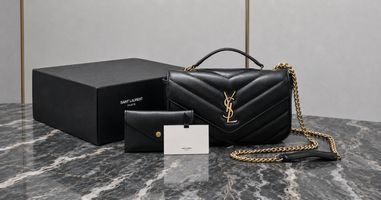
Loulou is the most adaptable of these three when shoulder and crossbody use both matter. Its sliding chain provides two carrying lengths, while the body has enough softness to accommodate small changes in the contents.


Puffer creates a fuller appearance. Its padded construction can provide greater depth, but the added volume may feel more prominent against the body. Filling it tightly can also change the exterior line.


Jamie sits between softness and control. It retains quilted texture without always appearing as inflated as Puffer, making it easier to combine with cleaner clothing.


For all three, chain comfort should be tested after the bag is filled. A minor difference during a short try-on can become much clearer after an hour of walking.


6. Close-to-the-Body Choices: Niki, Le 5 à 7, and Mombasa


These three YSL handbags answer different needs.


Niki suits someone who wants a softer flap design with divided storage. Its sliding leather-and-chain strap supports more than one carrying position, while the back pocket keeps frequently used items separate.


Le 5 à 7 feels more streamlined. The hobo profile rests under the arm, and the adjustable shoulder strap helps refine its position. Its compact body works well when the contents stay consistent, but thicker objects may interfere with the opening.


Mombasa follows a more pronounced style direction. Its curved construction contributes more visibly to an outfit, although the selected size should still be checked for access and arm clearance.


The choice depends on whether flexible storage, a close underarm profile, or a more expressive silhouette matters most.


7. Everyday Use Changes the Final Choice


Commuting favors closure security and strap stability, while frequent phone access gives more importance to the opening. A work-to-dinner schedule may suit a medium quilted design that carries daytime essentials without feeling excessive later.


A focused comparison appears in YSL bag for everyday use, where shoulder, crossbody, and top-handle formats are tested against commuting, errands, walking, and plans after work.


Extra capacity does not always improve daily use. It can encourage more packing, increase chain pressure, and make a soft interior harder to organize. A slightly smaller design may work better when it accepts the usual items without stacking them.


8. Compact Bags for Dinners and Events


Kate works when only essential items are needed and a slim chain design suits the clothing. The body should still be tested with the actual phone and case that will be carried.


Sunset provides more structure and interior separation. That definition keeps the exterior composed, although fixed compartments offer less flexibility for thicker objects.


Envelope and Cassandre styles provide angular alternatives. Body depth and closure design determine whether they can extend into daytime use.


The practical test is whether necessary items remain accessible without removing several others first.


9. Structured Options for Professional Clothing


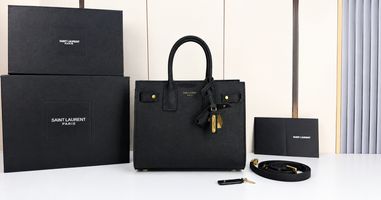
Sac de Jour is the clearest choice when top handles, a defined outline, and organized storage support the intended use. Some sizes include a detachable shoulder strap, while interior construction varies. Device fit should be checked against the exact version rather than assumed from the model name.


College offers a smaller work-to-dinner direction. Its structured quilting and multiple carrying positions suit someone who does not need to transport larger equipment.


Le 37 provides another route when hand carry is preferred during meetings but a longer strap is useful between locations. Its bucket-influenced body feels less formal than Sac de Jour while offering more flexibility.


A structured appearance does not guarantee convenient work use. Interior dimensions, opening speed, and secondary-strap comfort still matter.


10. Larger Bags for Work and Travel


Icare suits substantial daily contents and creates a strong visual presence. Its generous body carries more than a compact shoulder design, but that advantage should be weighed against empty weight, shoulder pressure, and interior visibility.


Y and Shopping totes provide quieter alternatives with cleaner exteriors. Open-top access makes packing and retrieval quicker, although greater awareness may be needed during transit.


Device fit, open-top security, and long-day comfort are examined more closely in YSL Bag for Work and Travel.


Large capacity is useful when it supports a regular need. Choosing an oversized design for occasional situations can result in a bag that feels excessive through most of the week.


11. Size Names Do Not Reveal Practical Capacity


Mini, small, medium, and large labels describe scale, but not how much space is easily usable.


An opening can be smaller than the base.

Interior divisions may organize small belongings while preventing one wider object from fitting. Soft sides adapt when contents change, although filling them tightly may alter the silhouette. A structured body keeps its outline but offers less flexibility when an item does not match the available dimensions.


Before selecting a size, consider the individual forms of the usual essentials. A rigid glasses case or portable charger can create more difficulty than several flat items.


Choose the smallest version that accepts those belongings without requiring a precise arrangement every time.


12. Material Changes Daily Usability


Material changes surface sensitivity, structure, weight, and how comfortable someone feels carrying the bag frequently.


Lambskin gives Loulou, Puffer, and Icare their soft finish, but contact with rough surfaces may be easier to notice. Grained leather adds texture and may require less checking during an active day. Smooth calfskin supports the clean lines of Le 5 à 7 or Sac de Jour, while surface changes can appear more clearly.


Suede brings depth to Mombasa, Loulou, and larger hobo or tote designs, but weather and surface contact require greater care. Light colors may also show transfer from dark denim or brightly colored clothing.


For someone choosing among Yves Saint Laurent handbags,the practical material is one that can be used without constant concern.


13. Strap, Closure, and Access Can Reverse the Decision


A chain strap adds evening versatility, but pressure increases as the contents become heavier. Sliding chains provide more than one drop, yet the leather section must land correctly when the strap is doubled or extended.


A wider leather strap may distribute weight more comfortably. A fixed shoulder strap, however, can become tight over a coat even when it works with lighter clothing. Crossbody capability should be judged by where the bag rests, not simply by whether the strap reaches across the torso.


Closure design can also reverse a YSL bag decision. A flap adds security but introduces an extra action. A tab or hook provides faster access while leaving more of the opening exposed. Zippers secure the contents but may reduce opening space, while totes are quick to reach into and require more awareness in busy surroundings.


Picture paying at a counter or retrieving a phone with one hand. If the motion feels awkward during that test, repeated use is unlikely to improve it.


14. Recognizable or More Distinctive?


Loulou, Niki, Kate, and Sac de Jour use familiar Saint Laurent design language and move between different clothing more easily. Mombasa and Icare make a stronger statement through curvature, scale, or hardware.


Neither direction guarantees longer use. A recognizable design can remain unworn when the strap or capacity is wrong. A distinctive style can become a regular choice when its proportions already work with the person’s clothing.


Settle the functional requirements before choosing the visual direction.


15. A Direct Decision Map


Use these conclusions to reduce the final selection:


• Choose Loulou for soft quilting that moves between daytime and evening use.


• Choose Niki for flexible capacity, divided storage, and a less rigid body.


• Choose Le 5 à 7 for close shoulder carry and a compact hobo profile.


• Choose Kate or Sunset when evening use matters more than capacity.


• Choose Sac de Jour for top-handle structure and professional clothing.


• Choose Icare or a large tote when substantial capacity is regularly needed.


• Choose College or Le 37 when several carrying positions matter.


• Choose Mombasa when a curved, more expressive silhouette is part of the appeal.


Then apply a reversal test. If chain pressure becomes uncomfortable, move toward leather straps or lighter construction. If access matters more than security, reduce the number of closure steps. If outerwear changes the fit, choose a longer or adjustable strap. If the usual contents distort the body, reconsider the size or structure.


Any Yves Saint Laurent bag under consideration should pass the packed test,the outerwear test,and the one-hand access test. When it remains comfortable and easy to use under those conditions, the decision is supported by daily life rather than appearance.

Sophia Carter

Sophia Carter is a fashion writer focused on luxury accessories,designer handbags,and modern styling.She creates practical guides that help shoppers evaluate materials,understand design details,and choose pieces for different occasions.

Related Posts

<p>YSL Bag for Everyday Use:Which Carry Style Works Better?</p><p>YSL Bag for Everyday Use:Which Carry Style Works Better?</p>

YSL Bag for Everyday Use:Which Carry Style Works Better?

Loulou is the most adaptable YSL bag for everyday use,while Niki works better when contents change and Le 5 à 7 suits light underarm carry.Jamie offers controlled quilting,and Mombasa makes a stronger visual statement.The result can change with strap pressure,opening speed,and outerwear fit.


A bag may feel comfortable when empty but become tiring after daily essentials are added.A secure closure can also slow access during commuting or checkout.The stronger everyday option is the design that causes the fewest interruptions during a repeated day.


1. Everyday Use Is a Friction Test


Daily convenience depends on small actions that repeat.


Packing should not require a precise arrangement.The bag should close without pressing against the contents,remain stable while walking,and allow frequently used items to be reached without placing it on a counter.


Comfort must continue beyond a short try-on.A chain that feels light for several minutes may create pressure later,while a close-fitting hobo can become tight once a coat is added.


A useful everyday design should:


• Accept regular essentials without being forced closed.


• Keep frequently used items easy to locate.


• Open with one hand when necessary.


• Stay in position while walking.


• Remain comfortable after an hour.


• Keep balanced proportions when partly filled.


The model that handles these actions with fewer adjustments is more likely to be carried regularly.


2. Eight Styles at a Glance


YSL bags for everyday use approach practicality in different ways:


• Loulou quilting,sliding chain,and day-to-evening flexibility.


• Niki body,divided storage,and shoulder-to-crossbody carrying.


• Le 5 à 7 underarm position and compact contents.


• Jamie texture with a more controlled exterior.


• Puffer depth and volume,but more noticeable chain pressure when filled.


• Mombasa construction and a more expressive silhouette.


• Le 37 character with additional strap flexibility.


• Sac de Jour Nano or Baby structure with several carrying options.


Loulou and Niki cover the widest range of ordinary schedules.Le 5 à 7 is easier when contents remain light.Jamie and Puffer suit someone who prioritizes quilting,while Mombasa,Le 37,and Sac de Jour create a more defined direction.


Size can alter these conclusions.A compact version may feel balanced,while a larger one can encourage overpacking or occupy more space against the body.


3. Start With What You Actually Carry


The correct size begins with the objects carried most days rather than labels such as mini,small,or medium.


A phone with a protective case may be longer than expected.A rigid glasses case can occupy more usable room than several soft items.Bulky keys or a portable charger may prevent a slim flap from closing even when the published dimensions appear sufficient.


For a structured flap design where width,height,and depth affect packing differently,the Yves Saint Laurent Envelope Small vs Medium comparison shows why a larger size can improve arrangement without creating more room for thick objects.


Before choosing an everyday YSL

bag,consider:


• Which objects are rigid?


• Which item is accessed most often?


• Does anything need a separate pocket?


• Can the phone lie flat?


• Will the closure meet without pressure?


• Can small belongings be found without emptying the bag?


The most useful size is often the smallest one that accepts these items without forcing them into a fixed order.


4. The Morning Packing Test


A strong daily design should remain easy to pack when time is short.


Open the bag and place each regular item inside.Can the interior be seen clearly?Do compartments create useful separation,or do they divide the space into sections that are too small?Can the bag close when it is approximately three-quarters full?


Soft construction adapts when contents change,but objects may shift.A firmer body maintains its outline while offering less flexibility for wider items.


Then reverse the process.Can the phone,card holder,or keys be removed without disturbing everything else?Usable capacity includes retrieval,not only what can fit inside.


If the contents must be rearranged whenever one item is added,the interior may become inconvenient despite appearing spacious.


5. Shoulder,Crossbody,or Top-Handle?


Shoulder carry provides quick access and keeps the bag close.The tradeoff is that a short drop may feel tight over outerwear,and smooth straps can slide while walking.


Crossbody carry keeps both hands free and offers greater stability during commuting.A wider body,however,may project from the torso or settle awkwardly near the hip.


Top-handle designs bring more definition to simple clothing but usually require a detachable strap during longer periods of movement.


People who expect shoulder carry to remain their default can compare YSL shoulder bag for everyday use options across quilted,structured,and hobo formats.


https://www.loueio.com/products/yves-saint-laurent-shoulder-bags


Whichever format is chosen,the strap should position the bag comfortably with both light clothing and the heaviest outerwear worn regularly.


6. Loulou Moves Easily From Day to Evening


Loulou provides the broadest day-to-evening flexibility among the main quilted choices.


Its sliding chain supports different carrying positions,while the soft body accommodates small changes in daily contents.The quilted exterior works with denim,work-to-dinner clothing,and simple evening outfits.


That flexibility has a practical boundary.Adding heavier items increases chain pressure,and a soft interior can make small belongings less visible.Thicker objects may also push against the flap or alter the front line.


Loulou works well when the schedule changes but the packing amount remains moderate.It is less convincing when bulky objects are carried regularly or every item needs a fixed compartment.


7. Loulou or Le 5 à 7?


Choose Loulou when flexible capacity and more than one carrying position matter.Choose Le 5 à 7 when the contents stay light and a close underarm position is preferred.


Loulou provides more tolerance when an extra item is added.The compromise is greater interior movement and increased chain pressure as weight rises.


Le 5 à 7 keeps a cleaner profile against the body.Its adjustable shoulder strap helps refine the position,but the compact opening provides less room for bulky items or changes in what is carried.


The YSL Loulou vs Le 5 à 7 comparison examines opening access,usable capacity,outerwear clearance,and how both designs behave after ordinary essentials are added.


The answer depends on which issue is harder to accept unused volume or having little flexibility when the day requires one additional item.


8. Niki,Jamie,and Mombasa Take Different Routes


Niki,Jamie,and Mombasa offer three approaches to a less rigid daily design.


Niki combines a soft body with interior separation.Its flap,back pocket,and convertible leather-and-chain strap support frequent use when contents vary.Small objects can still move within the softer compartments.


Jamie provides quilted texture with a more controlled exterior than heavily padded alternatives.It suits someone who wants visual depth without choosing the fullest Puffer silhouette.


Mombasa places more emphasis on curvature.Its profile contributes strongly to an outfit,but the selected size must allow enough arm clearance and convenient access after packing.


Among these Yves Saint Laurent handbags,Niki prioritizes adaptable storage,Jamie favors controlled quilting,and Mombasa gives greater weight to silhouette.


9. One-Hand Access Often Decides Regular Use


A bag that is difficult to open during busy moments may stay home more often than expected.


Consider retrieving a card at checkout,finding keys at a doorway,or answering a phone while the other hand is occupied.The closure should provide enough security without turning each action into several steps.


Flaps protect the opening but must be lifted clear of the body.Tabs and hooks can feel faster,although they may leave part of the opening exposed.Zippers provide stronger closure but can reduce the usable width.Open-top designs offer immediate access and require more awareness in crowded surroundings.


Interior visibility affects speed as well.Dark linings and deep soft bodies may make small objects harder to locate.Pockets help only when they sit where the intended item can be reached easily.


10. Strap Comfort Changes After an Hour


Strap comfort cannot be judged accurately while the bag is empty.


Chain pressure increases as weight is added.A leather shoulder section can improve comfort,but it must land correctly at the chosen setting.If it moves away from the shoulder,the chain may carry more pressure than expected.


A wider leather strap distributes weight more evenly.A short fixed strap can keep the bag secure under the arm but may provide insufficient clearance over a blazer or winter coat.


Bag width also affects crossbody comfort.A compact body may settle flat,while a deeper one can bounce or project near the hip.Height and preferred carrying position change the result.


When evaluating an everyday YSL bag,wear it with realistic contents and walk longer than a brief mirror check.


11. When Soft Structure Helps—or Creates More Work


Soft construction helps when daily contents change,but flexible bags do not organize belongings in the same way.


Niki provides compartments and exterior access while allowing the body to adapt.It suits someone who wants separation without moving to a rigid silhouette.The compromise appears when the interior becomes crowded and objects shift below the opening.


Mombasa uses curvature to create a closer,more sculptural relationship with the body.A wider item may alter its outline or make the opening less direct.


The YSL Niki vs Mombasa comparison considers flexible storage,shoulder placement,arm clearance,and the circumstances that may favor one design over the other.


Choose Niki when predictable separation and convertible carrying matter more.Choose Mombasa when a distinctive curved silhouette justifies giving more attention to packing and access.


12. Material Must Match Daily Conditions


Material determines how freely a bag can be used during an ordinary week.


Lambskin gives Loulou,Puffer,and several Jamie styles their soft finish,but contact with rough surfaces may be easier to notice.Grained leather adds texture and can feel less demanding during frequent outings.


Smooth leather supports the clean lines of Le 5 à 7,Le 37,and structured designs.Surface changes may appear more clearly,depending on the finish.Suede adds depth to Mombasa and other hobo styles,but weather and repeated contact with clothing require more consideration.


Light colors may show transfer from dark denim or brightly colored garments.Deeper colors can make minor surface changes less visible.


YSL handbags for women should be selected around realistic conditions,including commuting,weather,restaurant seating,and outerwear.


13. Choose by the Day You Repeat Most


Choose according to the schedule that occurs most often:


• Work-to-dinner days provides the easiest transition.


• Changing contents and repeated access offers flexible organization.


• Light underarm carry 5 à 7 keeps the body close.


• Quilting with greater outline control is the stronger direction.


• Fuller padded construction offers more visual volume.


• A distinctive curved silhouette makes the clearest statement.


• Compact structure with several carrying options 37 or Sac de Jour Nano may fit better.


One final check can change the result.If chain pressure becomes noticeable,consider a lighter body or leather strap.If outerwear reduces shoulder clearance,move toward a longer or adjustable drop.If frequent one-hand access matters,choose fewer closure steps.


When the contents require repeated rearrangement,the internal layout does not suit that routine.When the exterior changes too much after packing,the structure or size needs reconsideration.


The right Yves Saint Laurent bag should remain easy to pack,carry,open,and set down during the day that repeats most often.A design that handles those four actions well is more likely to become a regular choice than one selected mainly for how it looks when empty.
<p>Choosing a YSL Bag for Work and Travel,Comfort,and Carry Options</p><p>Choosing a YSL Bag for Work and Travel,Comfort,and Carry Options</p>

Choosing a YSL Bag for Work and Travel,Comfort,and Carry Options

Sac de Jour is strongest when work organization and a defined profile matter most.Le 5 à 7 Bea suits lighter office days and changing packing needs,while Icare handles larger travel needs.The right YSL bag depends on device fit,closure security,strap comfort,and how long it must be carried.


A desk-friendly bag can become awkward on a crowded platform.A large tote accommodates a light layer and travel documents but may require more attention in transit.A structured design keeps devices and files stable,yet adds weight and occupies fixed space under a seat.


Base the decision on the hardest recurring part of the week rather than the greatest available capacity.


1.Start With the Harder Part of the Week


Choose for the most demanding schedule that occurs regularly,not a rare trip with different requirements.


Someone carrying a device,documents,and charging equipment needs predictable placement.A person who spends more time walking,changing trains,or moving between a hotel and meetings may place greater value on hands-free carry and lower empty weight.


Trace the complete day from home to work or destination.Consider how long the bag stays on the body,where it will be placed,and whether plans continue after office hours.This reveals which compromise will be felt most often.


2.Work and Travel Reward Different Features


Work favors organization,controlled proportions,and a profile that works with professional clothing.Travel places more pressure on weight distribution,closure security,and adaptability.


A structured YSL work bag may keep a tablet,documents,and cables separated but feel cumbersome in a large airport.A softer tote accepts a scarf,water bottle,or small purchase more easily,yet smaller objects may become harder to locate.


A work-first design can travel well when its strap and dimensions suit the journey.A travel-first tote can function professionally when its opening and softer construction remain appropriate for the workplace.


The deciding question is whether restricted packing or managing a larger bag would cause more frustration.


3.Usable Capacity Begins With Item Dimensions


Exterior measurements do not show whether carried objects will fit comfortably.Base width,opening size,and compartment dividers often matter more than total volume.


Start with the largest rigid object,such as a laptop,tablet,document folder,or glasses case.A device that technically fits may still block the closure or press against the sides.


Then add thicker pieces such as a charger,water bottle,small umbrella,or light cardigan.Divided construction keeps flat items stable but may leave insufficient room for bulkier pieces.A flexible tote adapts more easily but provides less separation.


Useful capacity means the bag can close,remain balanced,and allow access without requiring several objects to be removed first.


4.Four Carry Formats Create Different Tradeoffs


Top handles provide control when entering an office or passing through doorways.They become less convenient when both hands are needed for luggage,a phone call,or public transportation.


Shoulder carry usually gives faster access,but comfort depends on strap width,drop,and bag width.People who expect it to remain their primary carrying method may find the broader YSL shoulder bag category more relevant than a top-handle-first design,especially when outerwear fit and underarm clearance matter.


Crossbody carry leaves the hands free,although a wide or heavily packed bag may bounce against the hip.Open totes are easy to pack but require more attention in crowded environments.


A detachable strap adds options without guaranteeing that every position will feel comfortable.


5.Sac de Jour Keeps a Workday Controlled


Sac de Jour is the most work-focused option in this group.Its accordion sides and divided construction support orderly placement,while the zipped center section separates smaller objects from documents or devices.


The bag remains stable beside a desk.Top handles suit short transfers between meetings,and a detachable shoulder strap supports commuting.


Structure occupies space even when the bag is not full.Fixed compartments may reject an object that is only slightly wider than the available section,and larger sizes become more noticeable on public transportation or beneath an airline seat.


Sac de Jour stands out among YSL bag options when similar objects are carried most days and controlled organization matters more than expandable space.


6.Le 5 à 7 Bea Handles Changing Contents More Easily


Le 5 à 7 Bea favors lighter construction and adaptable packing.Its east-west format provides a wide opening,while inner ties allow the sides to be drawn inward or expanded.


A document pouch,small water bottle,and light layer can share the same space without being forced into fixed sections.An inner zipped pocket gives smaller or important items a defined place.


Organization is less defined,and the opening offers less enclosure than a fully zipped design.The wide body can also occupy more space beside the wearer when expanded.


For lighter workdays,Le 5 à 7 Bea suits someone who values lower empty weight and flexible packing but does not require rigid device organization.


7.Icare Works When Space Matters More Than Restraint


Icare is the most spacious direction among the main choices.Its large body accommodates changing contents,and the sides can be drawn inward when the full width is unnecessary.A removable pouch separates selected smaller items.


This adaptability suits longer days,air travel,or schedules requiring an extra layer,reading material,and personal belongings in the same bag.


The large body occupies more physical space,can become awkward in a crowded aisle,and places increasing pressure on one shoulder as more is added.Its less enclosed format also requires a deliberate system for protecting travel documents and other important belongings.


This makes YSL Sac de Jour vs Icare a question of controlled organization versus expandable space,with weight and travel flexibility deciding the outcome.


8.Y Tote and Niki Messenger Offer Two Lighter Alternatives


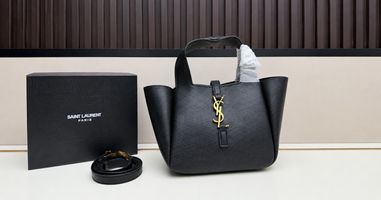
Y Tote offers generous space without heavy quilting or prominent hardware.Its lightweight construction,zip pocket,and hook closure suit changing packing needs,although the open shopping-bag format provides less separation than Sac de Jour.


Niki Messenger answers a different need.Its adjustable strap supports hands-free use,while two compartments and a rear pocket separate frequently used objects.It carries less than a large tote,but its smaller footprint is easier to manage while walking or changing trains.


For YSL travel bag use,maximum capacity is not always the strongest advantage.The better design may be the one that interferes least with luggage,walking,and repeated transitions.


9.Airports and Trains Change the Ranking


Crowded stations increase the value of a secure closure or protected compartment.An open tote provides quick access,but important items should not remain loose near the top.A removable pouch can help,although it adds another opening step.


Under-seat placement creates a different issue.A structured bag keeps its profile but occupies fixed space.A softer design compresses more easily,yet its contents can shift when the bag is moved or placed on its side.


Easy access is not automatically the most useful feature.The opening must balance speed with enough control for security checks,boarding,and crowded transportation.


10.Comfort Depends on Weight Distribution


Comfort cannot be judged accurately while a bag is empty.Material,hardware,strap width,and the position of carried items change how pressure develops.


A broad strap distributes weight more effectively than a thin one,but the bag must still sit at a useful height.A wide tote may press against the arm,while a structured top-handle design becomes tiring when carried by hand for long periods.


Outerwear changes the result too.A strap that feels spacious over a shirt may become tight over a coat.The bag should remain stable without repeated adjustment and should not interfere with walking or pulling luggage.


In YSL Icare vs Le 5 à 7 Bea,the deciding differences are body width,opening security,and how shoulder pressure develops after realistic packing.


11.Material Must Match the Route


Material changes weight,structure,and the attention a bag requires.


Grained leather can suit frequent commuting because surface variation is less immediately noticeable.Smooth leather creates a cleaner appearance,but contact may be easier to see.


Lambskin gives Icare its soft,folding character,although the large body requires more consideration in crowded spaces.Suede adds visual depth but may be less convenient when weather changes or the bag must be placed on unfamiliar surfaces.


Material should be evaluated together with size.Choose a finish that can be used throughout the day without constant checking.


12.Choose by Schedule,Not Maximum Capacity


The final decision can be reduced to five directions:


• Sac de Jour suits professional organization,device separation,and a defined profile.


• Le 5 à 7 Bea works better when work items are lighter and the contents change after office hours.


• Icare favors generous capacity and adaptable packing over compact dimensions.


• Y Tote provides lightweight open carry without quilting or extensive hardware.


• Niki Messenger prioritizes hands-free use and organized access over tote-sized space.


Before deciding,check whether the largest rigid item fits,whether the closure suits crowded transportation,and whether the strap remains comfortable over seasonal clothing.Also consider whether the bag can sit beside a chair or beneath a seat without becoming difficult to manage.


A YSL bag for work and travel succeeds when the busiest recurring day still feels manageable.It should protect what matters,carry comfortably,and leave enough room for the schedule to change without becoming excessive on lighter days.