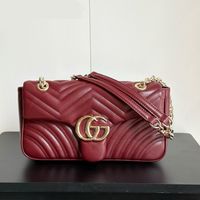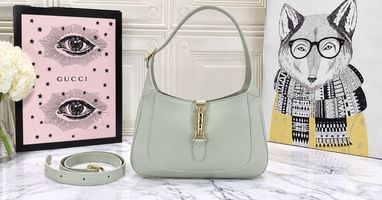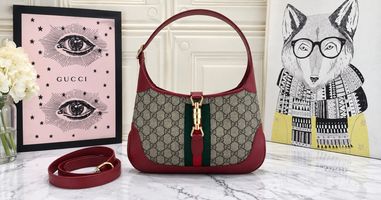
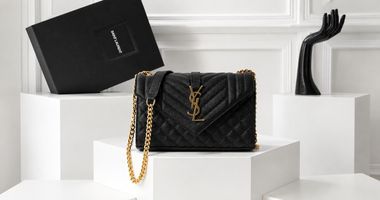
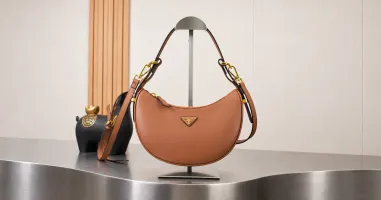
Work, travel, and dinner can all suit this model, but not for the same reason. Prada Arqué bag makes the strongest case when each setting requires a compact personal bag rather than work equipment, heavy travel storage, or a long list of extras.
Its zipped closure, curved leather body, and adaptable carry make it flexible across different parts of the day. The main question is whether each situation matches its compact format.
1. Which Types of Days Suit It Best?
Days built around personal essentials are the easiest match. Commuting without a laptop, city appointments, meals out, shopping, and lighter travel schedules all fit the format well.
The bag becomes less convincing once a day requires documents, electronics, bottles, large cosmetics, or other equipment. Those needs change its job from personal carry to general storage.
That distinction is useful because a compact bag does not have to handle every part of a schedule to be practical. It only needs a clear role.
2. Can It Work for the Office?
Yes, particularly when the workday involves moving between a desk, meetings, lunch, and after-work plans without needing to carry equipment in the same bag.
A Prada women's Arqué leather shoulder bag fits this type of schedule because its curved leather profile can remain appropriate beside tailoring during office hours and still feel suitable after the workday becomes more social.
Laptop-based routines are different. When chargers, files, notebooks, or technology must stay together, Arqué works more naturally as the smaller bag used alongside separate work storage.
Its office value therefore comes from transition rather than capacity: it can remain relevant after larger work items are no longer needed.
3. What Kind of Commute Makes Sense?
Short or moderate commutes suit it best when the bag only needs to manage personal belongings.
Zipped closure is useful around public transport, busy streets, elevators, and other places where keeping the main compartment closed matters. Compact proportions also reduce bulk when moving between crowded spaces.
A commute becomes less suitable when the same bag must accommodate notebooks, chargers, documents, or larger technology. That is a role mismatch rather than a flaw in the design.
4. Is It Practical for Travel Days?
Its strongest travel role appears during movement between stages of a trip: airport arrival, security, boarding, hotel transfer, city transit, and meals after check-in.
Keeping a smaller bag separate from cabin luggage means frequently needed belongings do not have to move in and out of a larger case at every stop.
This also lets the same bag continue into the destination instead of becoming useful only during transit. Once luggage is left at the hotel, there is no need to reorganize the entire carry setup before heading out again.
Travel becomes less suitable when one small bag is expected to absorb everything required for an extended day away from luggage.
5. Does It Make Sense for Dinner?
Dinner is one of the easier settings for this design because capacity demands usually fall while appearance becomes more important.
Someone considering a Prada Arqué shoulder bag for this role gets a compact leather profile, zipped main compartment, and enough structure to work beside dresses, tailoring, skirts, or cleaner evening separates.
Its size also avoids the visual weight of a larger daytime bag. For meals where only phone, small wallet, keys, and a few personal items are needed, the format feels appropriately scaled.
6. Can It Move From Daytime Into Evening?
Yes, provided daytime requirements stay relatively light.
The curved leather body does not lock the bag into one styling direction, so it can move from denim or office separates into dinner clothing without looking out of place. Removing unnecessary daytime items before evening can also keep the profile cleaner.
This day-to-evening flexibility is strongest for people whose schedules change settings more than storage needs.
7. When Does This Use Case Stop Making Sense?
Problems usually begin when compact personal carry is asked to become high-capacity storage.
A workday requiring equipment, a travel day built around many backup items, or a long outing involving several bulky necessities can push the format beyond the role it handles best.
Anyone deciding whether those tradeoffs still fit the intended routine can use the use-case suitability framework for the wider assessment of construction, capacity, materials, and overall ownership fit.
The better question is not whether more items can physically be added, but whether the bag still performs comfortably once the day becomes more demanding.
8. How Does It Work With Seasonal Clothing?
Warm-weather clothing leaves the bag visually exposed, making its curved profile a stronger part of the outfit. Dresses, shirts, light tailoring, and knitwear all allow the leather body to remain clearly visible.
Colder months change how the bag sits because coats and layered clothing add volume around the torso and shoulder.
For Prada women's Arqué small leather shoulder bag, seasonal usefulness therefore depends less on fashion rules and more on whether the preferred carrying position still feels comfortable over thicker clothing.
Someone who rotates between light and heavy layers should account for that change before assuming one setup will feel identical year-round.
9. Is It Suitable for a Full Day Out?
A full day can suit this model when the schedule changes setting without repeatedly increasing what needs to be carried.
Coffee, meetings, lunch, shopping, and dinner may all happen in one day, yet the bag can remain appropriate if the contents stay broadly consistent from one stop to the next.
This is different from a schedule where every stage adds something new. Purchases, paperwork, extra electronics, or larger personal items can gradually turn a well-matched morning setup into an overloaded evening one.
The better fit is therefore a long day built around transitions, not a long day built around accumulation.
10. Who Gets the Most Use From It?
Someone who already separates personal essentials from larger work or travel equipment is likely to get the clearest value.
In that type of routine, Prada Arqué bag does not need to act as a tote, organizer, and travel bag at once. It can remain focused on compact personal carry while larger items stay elsewhere.
That makes it especially useful for mixed schedules: office followed by dinner, airport followed by city walking, or shopping followed by an evening plan.
Its flexibility comes from moving between settings without needing to change its core purpose.
11. When Is Another Bag Format More Practical?
Choose more capacity when the day's success depends on carrying larger work tools, a bottle, substantial cosmetics, multiple chargers, documents, or several rigid items.
A larger format is also more practical when constant access to many separate belongings matters more than keeping the overall carry compact.
Arqué works better when the day can be edited down. If that editing feels inconvenient every time the bag is used, the intended routine is probably asking for a different size or format.
12. Is It Better for Occasional Use or Regular Rotation?
Regular rotation makes the strongest case when several days each week include transitions between different settings without major changes in what needs to be carried.
A lighter office day, lunch meeting, city appointment, short trip, or dinner after work can all create separate reasons to reach for the same compact leather bag.
That is where Prada Arqué shoulder bag becomes more than a bag reserved for isolated plans: it fills a repeatable role across a weekly schedule.
If most days require high-capacity storage from morning to evening, however, the model is more likely to remain a secondary choice.
13. Where Does It Fit Best Overall?
Its strongest territory sits between miniature evening bags and larger work or travel formats.
For work, it performs best as a personal essentials bag rather than primary office storage. During travel, it makes the most sense beside luggage. For dinner, its compact leather profile and zipped closure fit the setting particularly well.
Longer mixed schedules can also work when carry requirements stay restrained from morning into evening.
That makes the model most suitable for someone whose day changes context more frequently than it changes storage needs.