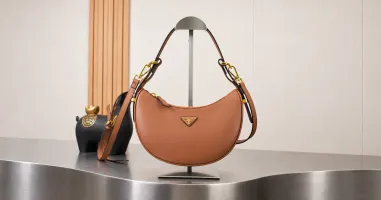
Sophia Carter | 15 hours ago

Gucci Giglio Small vs Large Size Makes More Sense for Daily Carry?

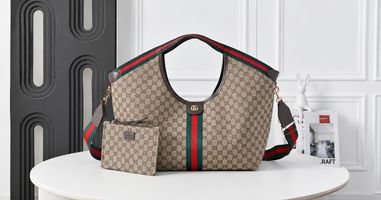
Choosing between the two Gucci Giglio sizes is less about maximum capacity than the usable space left after everyday belongings are packed.Small makes more sense when compact handling and moderate contents come first,while Large earns its extra scale when the added capacity solves a recurring need.


The size increase changes more than what fits.It affects how the tote moves around the body,how easily smaller belongings can be reached,and how much unused volume remains on lighter days.


1.Start With What Remains After Everyday Packing


Maximum capacity is a weak starting point.

Begin with what usually goes inside,then look at what remains.


Ask:


• Can everything already packed still be reached easily?


• Can one additional item be added without moving several others?


• Does the opening stay clear enough to use comfortably?


• Is the unused volume serving a real purpose?


A tote needs some breathing space to remain practical,but reserve capacity adds little when it rarely prevents a repeated inconvenience.


The goal is enough flexibility for ordinary use,not the largest size that might become useful someday.


2.Small Works Best When Compact Handling Is the Priority


Gucci Giglio Small makes the stronger case when everyday contents stay moderate and easier handling matters throughout the day.


Its smaller footprint takes up less space beside chairs,in tighter interiors,and while moving through busier settings.The current Small also lists a detachable adjustable shoulder strap in addition to its top handles,adding another carrying option.


That distinction matters because usability is not defined by capacity alone.


If the usual belongings fit without crowding the opening,a substantially bigger tote may add volume without removing an existing problem.


3.Large Only Wins When Its Extra Capacity Has a Job


Large should not win simply because it can hold more.


The jump in width and height changes the physical presence of the tote as well as how much it can accommodate.


That additional capacity becomes valuable when the routine repeatedly includes larger objects,an extra layer,work materials,or items picked up during the day.


If Small would require regular rearranging,Large solves a genuine problem.


If most of the added volume is reserved for rare situations,the wearer is managing a bigger tote every day for an advantage that contributes very little.


4.The Size Jump Changes the Handling Experience


A bigger tote does not create only a larger version of the same experience.


More width and height can affect:


• How close the bag stays to the body.


• How easily it fits beside a chair.


• How much space it occupies while seated.


• Where smaller belongings settle.


• How noticeable it feels in tighter surroundings.


Large gives bigger objects greater freedom.Small trades reserve capacity for a more compact package.


The decision therefore involves both storage and handling.


5.Normal Daily Fill Is the Most Useful Test


A Gucci Giglio tote bag is better judged with an ordinary amount inside than when empty or pushed toward maximum capacity.


With Small,the question is whether everyday contents leave enough flexibility for easy access and one modest addition later.


With Large,the question reverses the extra volume make the bag easier to use,or does it leave smaller belongings scattered through more interior than the routine requires?


The best fit sits between crowding and excess.


If Small still leaves enough usable space after everyday packing,it may already be the right size.If Large remains substantially underused most days,the added volume may contribute little practical value.


6.When Small Starts Feeling Too Tight


Small can stop being the better option before it is physically full.


Watch for recurring signs:


• Everyday belongings consume nearly all usable space.


• Adding one modest object requires several others to move.


• Items gather close to the opening.


• Frequently reached belongings become harder to retrieve directly.


• There is little flexibility for predictable additions.


A tote does not need to reach absolute capacity to feel undersized.If routine use repeatedly turns retrieval into a rearrangement task,the larger size has a stronger case.


7.When Large Starts Feeling Too Large


Large can also pass the stage where additional capacity helps.


That happens when:


• Much of the interior remains empty most days.


• Smaller belongings sit farther from easy reach.


• Extra organization is needed mainly because the tote is spacious.


• Its footprint feels excessive in restaurants,transport,or tighter seating.


• Most reserve capacity exists for rare situations.


If Large creates more scale than the routine needs,gucci shoulder bags for everyday carry can provide a better comparison before more tote volume is treated as the answer.


A larger bag becomes inefficient when managing unused capacity creates more inconvenience than the space prevents.


8.Opening Width and Retrieval Depth Work Together


A larger opening does not guarantee faster access.


Giglio Large gives bigger objects more freedom,but its greater height also means smaller belongings can settle farther from the hand.


Small creates the opposite tradeoff.


Its compact interior keeps moderate contents within a tighter area,which can make familiar items easier to locate.As Small becomes fuller,however,the hand space near the opening decreases sooner.


Access therefore depends on two things:


How clear the opening remains,and how far below it the item sits.


Large favors physical freedom.Small favors shorter retrieval distance until fuller packing begins to crowd that advantage.


9.The Detachable Pouch Does a Different Job in Each Size


Both current sizes include a detachable pouch,but the feature plays a different role inside two very different volumes.


In Small,the pouch occupies a more meaningful share of the interior.It can keep smaller belongings separated,but it also commits part of a tighter area to organization.


In Large,the pouch helps give small items a predictable location while leaving most of the main compartment available for bigger objects.


The principle is simple:


Organization features should be judged by the space around them,not counted as isolated specifications.


10.Choose by Daily Space Requirement,Not Occasional Maximum Need


The clearest Gucci Giglio Small vs Large decision appears once rare packing situations are removed.


Choose Small when:


• Everyday contents remain light to moderate.


• Some usable room remains after packing.


• Compact handling adds real value.


• Larger objects are uncommon.


• The shoulder-strap option will actually be used.


Choose Large when:


• The usual belongings already require substantial room.


• Bigger objects appear regularly.


• Small would repeatedly require rearranging.


• Spare capacity is useful through much of the week.


• The larger footprint fits the places where the tote will be used.


Choose by recurring space requirements,not the largest amount you can imagine carrying.


11.Do Not Size Up for a Rare Need


Occasional exceptions can distort the decision.


A larger tote may seem safer because a jacket appears on one type of trip,a bigger notebook is needed for occasional meetings,or more capacity helps during a few shopping days.


Those situations matter,but they should not determine what is carried the rest of the month.


Ask instead:


How often would Small actually fail during ordinary use?


If the answer is rarely,Large may be solving an exception.If the answer is several times each week,the added capacity has a clearer purpose.


12.When a Different Gucci Tote Bag Setup Makes More Sense


Neither size has to win every decision.


A different gucci tote bag setup may make more sense when the routine calls for greater internal separation,a different wearing method,or proportions that sit between the two Giglio choices.


The same applies when capacity is not the real problem.


Someone who needs extended hands-free use may need another carrying format.Someone whose belongings remain minimal may not need tote-level space.Heavier contents carried for long periods may make weight distribution more important than reserve capacity.


Size can solve a storage problem.It cannot correct a mismatch between the bag format and the routine.


13.Final Decision or Large?


Choose Small when everyday belongings fit comfortably and enough flexibility remains for easy retrieval without repeated rearranging.Its compact footprint becomes an advantage when reserve capacity would mostly stay unused.


Choose Large when the ordinary load regularly consumes the smaller size's usable range.The added capacity earns its place when it prevents a problem that would otherwise repeat across the week.


Between the two Giglio sizes,the better choice is the one that leaves enough flexibility after normal packing without making unused volume part of the daily routine.

Sophia Carter

Sophia Carter is a fashion writer focused on luxury accessories,designer handbags,and modern styling.She creates practical guides that help shoppers evaluate materials,understand design details,and choose pieces for different occasions.

More Posts

<p>Yves Saint Laurent Envelope Small vs Medium Size Fits Everyday Essentials?</p><p>Yves Saint Laurent Envelope Small vs Medium Size Fits Everyday Essentials?</p>

Yves Saint Laurent Envelope Small vs Medium Size Fits Everyday Essentials?

In the Yves Saint Laurent Envelope Small vs Medium comparison,Small is better for a compact,edited load and straightforward long-chain carry.Medium suits a larger phone case,hard eyewear case,and slim pouch,but both are 6 cm deep.Medium adds useful width and height rather than extra room for thick objects.


Specifications available in August 2026 were checked across dimensions,materials,closures,pockets,and chain configurations before assessing access,comfort,and likely daily use.The conclusions below are based on verified construction rather than presented as hands-on findings.


1.The Difference Is Height and Width,Not Depth


Envelope Small measures approximately 21 × 13 × 6 cm,while Envelope Medium measures approximately 24 × 17.5 × 6 cm.Medium adds 3 cm in width and 4.5 cm in height,but the stated depth remains unchanged.


Additional width helps longer objects sit without pressing into the sides.Extra height provides more clearance beneath the flap and makes slim pieces easier to layer.


Neither improvement makes a hard eyewear case,charger,or cosmetics pouch thinner.Medium provides greater usable capacity,but its advantage comes from a larger interior footprint rather than a deeper compartment.


2.Small Rewards an Edited Load


Envelope Small works best with compact items that fit together.A phone in a protective case,cardholder,slim cosmetics pouch,and one additional accessory can form a practical daily load.


A hard eyewear case may occupy much of the available depth,leaving less room for another rigid object.A short wallet is easier to position than a continental wallet,and a slim power bank creates less pressure against the panels than a thick charging unit.


The lower interior keeps belongings easy to locate,but each added piece affects closure alignment.Small suits someone willing to reduce the load before leaving home rather than expecting the bag to absorb extra items later.


3.Medium Adds Breathing Room,Not Unlimited Capacity


Envelope Medium gives carried items more room to spread across the interior.A larger phone case,short wallet,hard eyewear case,and slim pouch can be arranged with less competition for width.


The added height creates more clearance beneath the flap and makes an A6 notebook or another flat piece easier to include.For someone considering a YSL Envelope bag,Medium is more forgiving when the daily load changes.


Its 6 cm depth still controls how many thick objects can sit together.A hard case placed beside a bulky pouch may press against both panels even when space remains above them.Medium improves arrangement and access,but it does not perform like a deep day bag.


4.Start With the Largest Rigid Item


Begin with the largest object that cannot bend,such as an eyewear case,a phone in a substantial case,or a thick wallet.Check it against all three bag dimensions rather than width by itself.


An item may fit the stated measurements but still be difficult to pass through the opening.Leather,lining,and seams also reduce usable interior space.


Place the second-largest rigid object beside the first.This shows whether the combination needs more width,height,or depth.Small suits compatible compact pieces.Medium is safer when the main objects require greater width or vertical clearance.If depth causes the difficulty,neither size may resolve it.


5.The Chain Systems Are Not Identical


Envelope Small has a long chain with a stated drop of approximately 55 cm.It provides one consistent long-strap position but does not offer the same documented adjustment range as Medium.


Envelope Medium uses a sliding chain.Its stated drop is approximately 52 cm when worn long and 30 cm when doubled.This creates a clear change between a longer carrying position and shorter shoulder carry.


Where either size sits depends on the wearer’s height,outerwear,and preferred placement.Medium offers more carrying variation,while Small combines a simpler chain setup with a compact body that occupies less space beside the wearer.


6.Access Changes When the Bag Is Full


Both sizes use a magnetic snap tab beneath the flap.They also provide one interior slot pocket and an exterior back pocket,so their basic organization is similar.


Small offers quick visual access when lightly packed.Filling it close to capacity can make the flap harder to align,especially when a rigid object sits high in the interior.


Medium provides more hand room and allows items to be repositioned without removing as much.Its larger interior does not add compartment separation,so smaller pieces may still move unless placed in a pouch.


When comparing a Yves Saint Laurent shoulder bag for repeated daily access,the decision is between a compact visible arrangement and a roomier interior that requires a little more organization.


7.Proportion Changes Day-to-Evening Use


Envelope Small creates the more compact profile.It is easier to place beside the body at dinner,carry through a crowded room,or use across a schedule that continues into the evening.


Envelope Medium has more visual presence because of its added width and height.It better supports a full daytime load when eyewear,charging equipment,and personal items must remain together.


Related shoulder-carry proportions appear in the same category:https://www.loueio.com/products/yves-saint-laurent-shoulder-bags.This provides context for comparing the Envelope sizes with bags using softer bodies,wider openings,or different strap arrangements.


Choose Small when compact proportion remains useful throughout the day.Choose Medium when reducing the carried load would create repeated inconvenience.


8.Comfort Depends on What Fills the Extra Space


Medium does not become uncomfortable simply because it is larger.Comfort changes when the additional room is filled with extra weight.


A lightly packed Medium provides easier access without a major increase in pressure.A load containing a power bank,hard case,full wallet,and cosmetics pouch places more strain through the chain.The doubled position changes where that pressure sits but does not reduce the weight.


Small reaches practical capacity sooner,which can help keep the load controlled.Its compact body may also move less against the hip.


Comfort in a YSL bag should be assessed with the items that will actually be carried and with the chain positioned over both light clothing and a coat.


9.The Same Leather Makes Size the Main Variable


Both versions use quilted Grain de Poudre embossed leather with a structured flap and comparable construction.This keeps material from distracting from the size decision.


Medium’s larger surface area creates more contact with the arm,clothing,and surrounding objects.Small occupies less space beside the body and may be easier to manage in crowded settings.


The embossed leather supports the defined profile,but it cannot create extra depth once several rigid objects are packed together.With material,closure,and pocket arrangement remaining comparable,the decision rests mainly on dimensions,chain configuration,and required packing room.


10.Choose by the Repeated Schedule


Small makes sense when the usual load consists of a protected phone,cardholder,slim pouch,and one compact accessory.It also works when the bag must remain unobtrusive during meals,events,or crowded travel.


Medium is more practical when a hard eyewear case,charging equipment,notebook,or additional personal item appears regularly.The added width and height make these combinations easier to arrange.


Access frequency matters too.A tightly packed Small may require repeated rearrangement.A lightly packed Medium is easier to reach into,but its larger body occupies more space on a seat or beside the wearer.


Choose for the recurring schedule rather than the fullest exceptional day.


11.Which Size Makes More Sense?


The final choice depends on what must fit,how the chain will be worn,and whether compact proportion or packing flexibility matters more.


• Choose Envelope Small when the everyday load is edited,the largest rigid item is compact,and the long-chain position suits the wearer.


• Choose Envelope Medium when extra width and height would improve the arrangement of a larger phone case,hard eyewear case,short wallet,or slim pouch.


• Choose Small when day-to-evening proportion matters more than carrying one additional item.


• Choose Medium when the sliding chain and its long or doubled positions would be used regularly.


• Choose neither size when essential items require substantially more than 6 cm of combined depth,a full zipper is necessary,or several separate compartments are needed.


The Yves Saint Laurent Envelope Small is the more compact and selective option,while Medium provides greater flexibility without becoming a deep bag.Start with the hardest item to pack,and the more suitable size usually becomes clear.

What Makes a Louis Vuitton Bag Truly Versatile?What Makes a Louis Vuitton Bag Truly Versatile?
What Makes a Louis Vuitton Bag Truly Versatile?

Versatility across louis vuitton bag choices depends less on maximizing one feature than on keeping important functions available as circumstances change.The strongest option works under fewer conditions,needs little reconfiguration,and avoids advantages that become drawbacks elsewhere.A versatile bag stays relevant across more of the week without creating repeated compromise.


Capacity,mobility,structure,and polish can all contribute,but none determines the answer by itself.The better purchase is the format whose strengths overlap across different uses instead of becoming valuable only under one specific condition.


1.Versatility Starts With Useful Overlap


A versatile bag offers strengths that remain valuable together.


Think of this as useful overlap.


One carry configuration may remain convenient as the pace changes,while available room can support both lighter days and occasional additions.When several advantages continue working together,the bag becomes easier to use across different circumstances.


The opposite is specialization:a feature performs brilliantly under one condition but contributes little elsewhere.


The goal is not to collect the greatest number of features.It is to find a combination whose advantages continue supporting one another.


2.One Exceptional Strength Can Hide a Weak All-Rounder


Some bags appear highly adaptable because one advantage is immediately obvious.


They may be extremely compact,very spacious,strongly structured,or optimized for hands-free carrying.


This creates specialization bias.


A compact format may work beautifully until an ordinary addition appears.A very large option may accommodate almost anything while bringing unnecessary scale to lighter use.


Being excellent at one task is not the same as being versatile.


A stronger all-rounder may sacrifice some peak performance in exchange for fewer situations where the overall format starts feeling mismatched.


3.Count the Conditions Required for It to Work Well


Another clue is how many conditions must remain favorable.


A bag may work best only when:


• contents stay carefully controlled


• one carry mode remains suitable


• little needs to be added later


• the setting stays within a certain level of formality


• contents are arranged in a specific way

This is condition dependence.


Differences between louis vuitton bag formats become clearer when the question shifts from “What can this do?” to “What must remain true for it to keep working well?”


Fewer required conditions generally mean greater flexibility across real use.


4.A Useful Feature Should Survive More Than One Situation


A feature contributes more when its value survives changing circumstances.


This is feature survival.


Extra room matters more when it solves several needs rather than one rare case.A strap configuration earns more value when it remains practical as pace or surroundings change.Structure contributes more when it supports different uses without becoming restrictive.


A feature can therefore be valuable without improving overall versatility.


What matters is whether the advantage carries forward once the original reason for needing it changes.


5.Mobility Expands Range Without Defining Versatility


Hands-free carrying can broaden how a bag is used,but mobility remains only one part of the decision.


A crossbody format may stay convenient as the pace changes while keeping both hands available.That can add meaningful flexibility when movement is common.


The advantage weakens if gaining that mobility removes too much function elsewhere.


Across louis vuitton crossbody bag choices,the more revealing comparison is how much hands-free convenience is gained without making the rest of the format unnecessarily restrictive.


A mobility-led format can broaden the usable range when that freedom remains valuable beyond one specific part of the day:https://www.loueio.com/products/louis-vuitton-crossbody-bags


The strongest option is not simply the easiest to move with.It is the one where mobility expands practical use without creating several new compromises.


6.Measure Adjustment Burden


A bag may technically suit many situations while requiring too much effort between them.


This is adjustment burden.


Watch for repeated changes such as:


• removing items


• reorganizing contents


• changing straps


• switching carry methods


• controlling additions too carefully


One adjustment is rarely important.The problem appears when adaptability depends on frequent reconfiguration.


A bag that continues working with little intervention offers more real flexibility than one that needs to be reorganized whenever circumstances shift.


7.More Capability Can Reduce Versatility


More features do not automatically create a better all-rounder.


Extra room,additional structure,or another carry configuration can become capability excess when the advantage is rarely needed but its consequences remain present.


More space may occasionally help while adding physical presence every day.Stronger structure may support one requirement but contribute little elsewhere.A compact format can remove excess yet leave too little tolerance when needs increase.


This tension becomes clearer in a day-to-night louis vuitton bag comparison,where daytime advantages strengthen the overall choice only when they do not require excessive adjustment later.


A feature earns its place when it remains beneficial beyond one specific use.


8.Find the First Feature That Stops Earning Its Place


A bag usually starts losing flexibility before becoming completely unsuitable.


Look for the first feature that changes from advantage to burden.


This is the versatility break.


It might be:


• extra room that stops solving real needs


• strong structure that suits fewer settings than expected


• compact proportions that require too much editing


• a carry configuration that becomes inconvenient as conditions change


That first reversal matters because other compromises can follow.


A design with a later versatility break keeps its main strengths relevant across more circumstances.A design that reaches it early is more specialized,even if its strongest use remains excellent.


9.Not Every Advantage Needs to Be Maximized


Versatility does not require every attribute to reach its highest level.


Often several features only need to reach an enough-value threshold:


Enough capacity to avoid regular restriction.


Enough mobility to handle changing movement.


Enough structure to support normal use.


Enough flexibility to absorb small changes.


Pushing one attribute much further can begin reducing the value of the others.


Ask:


Is this feature still expanding practical use,or has it already passed what is needed?


A balanced set of strengths can produce a better all-rounder than one maximized feature.


10.Shoulder Formats Can Preserve Broader Daily Capability


Some shoulder-led formats work well across varied daily requirements because they preserve more room without centering the entire design on maximum mobility.


Their advantage is keeping enough flexibility as contents change while maintaining a straightforward carrying method.


That does not make every shoulder format more versatile than every crossbody option.The balance simply shifts.


When fuller daily function matters more than maximum hands-free freedom,louis vuitton shoulder bag choices can provide a stronger direction.


Broader shoulder-led formats can be considered within the same decision when added room or structure continues solving more than one recurring need:https://www.loueio.com/products/louis-vuitton-shoulder-bags


Added room or structure only helps when it continues solving different needs rather than becoming unused volume.


11.Watch for Compromise Accumulation


No single weakness has to be serious for an all-rounder to become less convincing.


Several small compromises can build on one another.


A bag might be:


• slightly larger than preferred


• slightly less mobile than needed


• more structured than useful


• somewhat restrictive when contents change


Each issue may seem minor by itself.Together,they can make the same format less satisfying across much of the week.


This is compromise accumulation.


Instead of asking whether the bag can technically work,ask:


How many concessions are required to keep using the same format?


A stronger all-rounder keeps that total low.


12.Context Tolerance Matters More Than Scenario Count


How well a bag handles changing context is more revealing than the number of situations attached to it.


Some formats remain convincing only while requirements stay high.Others work well under lighter conditions but lose value once more flexibility is needed.


This is context tolerance.


The difference becomes especially clear in a work-to-weekend louis vuitton bag comparison,where the real test is whether the bag continues earning its place after the original reason for choosing it has weakened.


The same principle applies elsewhere.


Count how well the format absorbs changing conditions,not how many scenario labels can be attached to it.


13.Find the Versatility Ceiling


Every all-rounder eventually reaches a stage where asking it to do more makes the overall choice worse.


That is the versatility ceiling.


Gaining compatibility with one uncommon requirement may reduce performance across several common ones.The theoretical reach expands,but practical value falls.


Ask:


At what stage does one more possible use create more compromise than benefit?


The goal is not one bag for every conceivable situation.It is the broadest worthwhile range before additional capability starts costing more than it contributes.


14.Choose the Widest Useful Overlap


A strong versatile choice usually shares several characteristics:


• few conditions must be met for it to work well


• normal changes require little reconfiguration


• major features continue earning their place


• several important uses benefit from the same strengths


• small compromises do not build into a larger problem


When assessing louis vuitton bag versatility,the deciding factor is not how much the bag can theoretically do.It is how much of its function remains valuable across the circumstances that genuinely matter.


The most versatile choice is not the bag that can do the most.It is the one that stays effective across the widest range with the fewest recurring compromises.

Gucci Softbit vs Jackie Handles Changing Loads Better?Gucci Softbit vs Jackie Handles Changing Loads Better?
Gucci Softbit vs Jackie Handles Changing Loads Better?

Gucci Softbit vs Jackie is mainly a choice between flexible space and a more controlled carry.Softbit makes more sense when what you bring changes during the day or extra items appear unexpectedly.Jackie suits a more predictable routine,where easier placement and a slimmer interior matter more than reserve capacity.


The key question is not simply which bag holds more.It is how each design behaves as packing moves from light to moderate and then slightly fuller.A bag can offer enough volume yet become harder to use once the opening,closure,or internal arrangement starts responding to added items.


1.The Difference Starts Before Either Bag Is Full


Maximum capacity is a weak starting point.


Most people do not use a shoulder bag at its absolute capacity every day.The more realistic range sits between lightly packed and moderately full,with occasional additions later.


Three states matter more:


• Light load.


• Normal load.


• Temporarily fuller load.


The stronger design is the one that preserves usable space without making access or organization noticeably worse as packing changes.


2.Softbit Is Built Around Flexible Space


Softbit maxi uses a supple leather body,a broad interior,a detachable pouch,and a magnetic Half Horsebit closure.Together,those features create more freedom inside than a tightly controlled compartment would allow.


A flexible body can accept an added case,folded scarf,small notebook,or another temporary item without immediately forcing everything else into a new position.


The advantage is not only room.It is how much working space remains once the main belongings are already inside.


That flexibility does not guarantee easier organization.The same freedom that accepts additions can also allow smaller belongings to shift more easily.


Softbit favors adaptability over fixed placement.


3.Jackie Rewards a More Predictable Load


The Gucci Jackie shoulder bag follows a different logic.


Current Jackie versions vary in size,material,and strap configuration,so the family should not be treated as one fixed-capacity design.What they share more broadly is a less expandable approach than Softbit maxi.


When the usual belongings remain consistent,that can be an advantage.A smaller set of items can occupy familiar positions without leaving large amounts of unused room.


The tradeoff appears when something extra needs to be added.A slimmer configuration leaves less tolerance before the existing arrangement has to change.


4.Underfilled Behavior Matters More Than It Sounds


A bag should not only be judged when full.


With Softbit,a larger,softer interior may leave more freedom around a light pack.That can be useful,but smaller items may settle lower or shift as the wearer moves.


Jackie can feel more controlled with fewer belongings because the available space is more contained.


Neither behavior is automatically better.Someone carrying very little may find Softbit unnecessarily roomy,while someone whose needs expand later may find Jackie reaches its comfortable range sooner.


5.The Mid-Load Test Is More Useful Than Maximum Capacity


The most revealing stage is usually neither empty nor full.


A mid-load means the main belongings are already inside,but a small amount of working space remains.


This is where gucci shoulder bag capacity becomes practical rather than theoretical.


Ask:


• Can the opening still be used without moving other items?


• Is there room for one more object?


• Does the closure still work without pressure from what is inside?


• Are frequently used belongings still easy to locate?


• Does the space remain usable rather than merely able to hold more?


Softbit gains an advantage when the remaining room needs to stay adaptable.Jackie gains one when preserving the existing arrangement matters more than future expansion.


6.What Happens When One More Item Is Added?


One extra object can reveal more than a full packing test.


Imagine the bag already holds the usual daily items.Then a compact notebook or folded scarf needs to be added.


In Softbit,the new object is more likely to use available space without redefining the whole arrangement.


In a slimmer Jackie configuration,the same addition may require another item to be repositioned.


This is not simply a question of size.It is capacity tolerance.


Does one extra object use the remaining room,or force everything else to move?


7.Access Changes as the Bag Gets Fuller


Access should be judged at more than one packing level.


Light Load


The opening has little competition from what is inside.Items are easier to see and reach.


Normal Load


The main belongings begin occupying space closer to the opening.Position and depth become more important.


Fuller Load


Added objects may start affecting hand space,visibility,and closure use.


A flexible interior can preserve room for additions,but smaller belongings may take more effort to locate if they shift.A more contained interior can keep placement predictable,but new items may interfere sooner with the existing setup.


The better access system depends partly on how stable the packing remains from day to day.


8.Flexible Space Can Create an Organization Tradeoff


Adaptable capacity is not the same as better organization.


Softbit responds well to changing needs,but that freedom may require more deliberate placement.The detachable pouch can help separate smaller belongings,but only if that separation fits the way the bag is actually used.


The broader lesson is:


Capacity flexibility and interior predictability are different advantages.


Someone who frequently adds items may accept more movement inside in exchange for available space.Someone who wants the same belongings in familiar positions may prefer a more controlled layout.


Differences within gucci shoulder bag designs become more important when capacity needs vary,and https://www.loueio.com/products/gucci-shoulder-bags includes options with different proportions,construction,and carrying configurations.


9.A Controlled Interior Can Reach Its Practical Capacity Earlier


A more contained interior has its own strength.


When packing stays consistent,it can reduce repositioning and make belongings easier to locate.


The disadvantage appears as more is added.An extra object can consume a larger share of the remaining room,and a wider or thicker item may require the original arrangement to change.


That is different from saying one design is simply smaller.


The real question is how quickly the bag reaches the stage where access,closure use,or placement begins to change.


10.Choose by Load Variability,Not Bag Size Alone


The clearest decision comes from asking how much the amount you bring changes across the week.


Choose Softbit when:


• What you bring changes regularly.


• One or two additional items appear during the day.


• Spare working space is valuable.


• A softer interior does not create an organization problem.


• Flexible capacity matters more than fixed placement.


Choose Jackie when:


• The usual set of belongings is predictable.


• The same items appear repeatedly.


• Compact placement matters more than reserve space.


• Unexpected additions are uncommon.


• A more contained interior is easier to manage.


Neither route is universally more practical.They solve different versions of the same capacity problem.


11.When Neither Bag Solves the Real Problem


Sometimes neither design is the right answer.


If the usual set of belongings regularly includes larger items,documents,technology,or several bulky objects,the real need may be a different capacity category rather than a more flexible shoulder bag.


The same applies if both hands must remain free for most of the day or sustained heavier carrying dominates the routine.


At that stage,forcing either design beyond its strongest range creates more compromises than it solves.A different size,construction,or carrying format may fit the requirement better.


12.Final Decision or Jackie?


Softbit is the stronger choice when what you bring changes.


Its value appears when the bag starts with a normal amount inside and still needs room for added belongings without immediately becoming harder to use.

Jackie works better when the usual set remains predictable.


A more contained interior can make repeated packing simpler,but extra flexibility has less value when added capacity is rarely needed.


In Gucci Softbit vs Jackie,the better choice depends less on maximum capacity than on how often the amount you carry changes.

Prada Bag for Everyday Use,Re-Edition,Bonnie,Explore,or Galleria?Prada Bag for Everyday Use,Re-Edition,Bonnie,Explore,or Galleria?
Prada Bag for Everyday Use,Re-Edition,Bonnie,Explore,or Galleria?

The strongest prada bag for everyday use is usually the one that makes your most frequent action easier,not the model with the longest feature list.Cleo,Re-Edition,Bonnie,Explore,and Galleria handle access,carrying,and organization differently,and the better choice changes with what you actually do with the bag most often.


Daily use is shaped by repetition.A closure opened once may seem minor.The same closure used throughout commuting,work,and errands can influence the entire experience.The same applies to straps,pockets,body width,and interior organization.Start with the action that happens most often.


1.Everyday Use Is a Repetition Problem


A bag can perform well occasionally and still become inconvenient during normal use.


What matters most is often something small:


• reaching for a phone


• opening and closing the bag


• putting it back on the shoulder


• finding the same small object


• sitting without moving the bag


• adjusting the carrying position


A minor interruption becomes important when it keeps returning.


A small inconvenience repeated ten times can matter more than a major inconvenience that appears once a month.


2.Count Actions Before You Count Features


Feature lists make complex bags look automatically more capable.


Daily use works differently.Adjustable straps,multiple pockets,extra carrying modes,and larger interiors matter only when they actually participate in the day.

For someone choosing a prada bag,count the actions first.


If the same small objects are retrieved often,organization may matter more than total capacity.If carrying position shifts through the day,an adjustable setup becomes more meaningful.


A feature earns its value through frequency of use.


Anything rarely used should carry less weight in the final decision.


3.The Phone Test Reveals More Than a Capacity Test


Capacity tests usually ask whether a phone fits.


For regular use,the better test follows the entire interaction:


reach → open → find → remove → replace → close


A bag may have enough room for a phone but place other objects in the retrieval path.A closure can feel effortless while empty and slower once the interior fills.


Run that sequence several times.


The useful result is not simply whether the phone fits.It is whether the same action still feels uncomplicated after being repeated throughout an ordinary day.


4.Cleo Works When Daily Carry Stays Edited


Cleo becomes convincing when the normal load remains compact and fairly consistent.


Its appeal is strongest when the bag does not need to absorb constant additions.The wearer can keep a smaller set of belongings and let the curved silhouette remain part of the reason for choosing it.


If rigid objects,extra cases,or last-minute additions enter regularly,space around the opening can become more contested.


Cleo asks the contents to stay disciplined so the bag can stay composed.


That trade works best when compact carry is already normal.


5.Re-Edition Makes Sense When Carrying Position Changes


Re-Edition becomes more valuable when the bag has to work differently at different moments.


A short carry may suit one part of the day,while a longer or more hands-free position becomes helpful during walking,commuting,or when both hands are occupied.


This is where prada bags for everyday use should be judged by actual transitions rather than the number of configurations shown on a product page.


If carrying position genuinely changes,Re-Edition's adaptable setup can solve a recurring problem.


If the bag stays in the same configuration every day,the extra options matter much less.


6.Bonnie Is Stronger When Retrieval Needs a Map


Bonnie becomes more convincing when the same belongings are used frequently.

Its horizontal organization can let familiar objects settle into recognizable areas rather than building into one deeper stack.


Over time,the advantage is memory.


Everyday organization becomes useful when the hand remembers the location before the eyes search for it.


Bonnie works best when the daily load is familiar and predictable placement matters more than having the interior adapt freely.


7.Explore Works When Items Need Different Access Speeds


Explore approaches organization differently.


Its multiple access areas become helpful when different objects are needed at different frequencies.A high-use item can stay near an exterior access area,while lower-frequency belongings remain in the main compartment.


But multiple zones help only when their jobs stay consistent.


Among different prada bag styles,Explore works best when objects genuinely deserve different access speeds.


The useful question is not how many pockets you get.It is which objects no longer need to enter the main search path.


8.Galleria Is Better When Space Needs to Stay Predictable


Galleria becomes stronger when the relationship between objects needs to remain more consistent.


A structured body can help rigid belongings,work items,or a familiar daily arrangement stay easier to place without the exterior responding strongly to every change inside.


That predictability can reduce repacking.

For someone balancing work and everyday use,this consistency can matter more than having the softest or most adaptable body.


The tradeoff is physical presence.Structure still occupies space when the bag is lightly packed.


9.Which Bag Requires the Fewest Corrections During the Day?


One of the clearest ways to judge everyday usability is to count corrections.


A correction is any moment when the wearer has to fix the bag instead of simply using it:


• pulling a strap back into position


• reorganizing objects before closing


• moving the bag before sitting


• searching a second area


• shifting the body to reach the opening


Daily ease can be measured by how often you have to correct the bag after putting it on.


If the main problem is still unclear,the broader bag selection framework separates carrying format,access,structure,capacity,and changing daily conditions before narrowing the choice to individual models.


The stronger everyday model is often the one that asks for fewer corrections during the hours it is actually carried.


10.A Bigger Everyday Bag Can Create More Daily Work


Extra capacity feels helpful because it reduces packing decisions.


It can also create new ones.


A larger interior makes it easier to add another case,charger,pouch,or item that might be needed later.As the load grows,search paths become longer,the bag occupies more body space,and carrying weight increases.


This is why choosing an everyday model by maximum capacity alone can lead in the wrong direction.


Extra capacity becomes useful only when the extra items are used often enough to justify carrying them.


Everyday capacity should support the regular load,not every imaginable exception.


11.Shoulder Carry Should Be Judged After the Bag Is Filled


Shoulder carry can feel completely different once weight is added.

An empty bag may sit neatly beneath the arm,but packed contents can pull it inward,change the angle,reduce arm space,or make the strap behave differently over clothing.


For someone whose everyday routine still centers on shoulder carry,the wider prada women's shoulder bag selection makes it easier to compare how strap position,body contact,and usable capacity change after the bag is filled.


Walk,sit,reach,and let the arm move instead of judging comfort from a stationary mirror view.


The shoulder bag that looks best when empty is not necessarily the one that interferes least once the day begins.


12.A Short Day and a Long Day Can Produce Different Winners


Time changes the importance of small interactions.


A compact bag can feel excellent during a short lunch or evening because access happens only a few times.The same design can feel different after commuting,several hours of walking,and frequent opening.


Re-Edition's flexibility may become more valuable as the day gets longer.Explore's access zones can matter more as retrieval increases.Cleo works when the contents stay edited.Bonnie benefits from familiar placement.Galleria helps when a structured work load remains consistent.


Time multiplies every interaction with the bag.


That is why “everyday” should not automatically mean “all day.”


13.Which Model Survives the 4 P.M. Test?


Morning is often the easiest moment for any bag.


The contents are arranged.The strap has just been positioned.Nothing unexpected has been added.


By late afternoon,the situation is more revealing.The opening has been used many times,the wearer may have walked farther than expected,and the interior may no longer look as organized as it did at home.


Cleo works when the edited load remains under control.Re-Edition benefits if carrying needs shift.Bonnie should still make familiar items easy to locate.Explore needs its access zones to remain understandable.Galleria should preserve the structure that justified carrying it.


The everyday winner is often the bag that still works after the day stops being tidy.


14.Do Not Choose for Your Most Exceptional Day


An everyday bag should not be designed around a rare scenario.


It is easy to choose more capacity because of one future trip,more structure because of an occasional formal setting,or more carrying modes because they might someday be helpful.


An everyday prada bag should primarily serve the week that happens most often.

If most days involve a compact load,do not let one unusual high-capacity day control the choice.If hands-free carry is needed only occasionally,it should not outweigh the format preferred most of the time.


Choose for the ordinary Tuesday before the exceptional Saturday.


15.Build a Two-Bag Shortlist From Your Highest-Frequency Actions


Once the most common actions are clear,the shortlist becomes easier to reduce.


If quick access dominates,compare models whose opening and interior keep that sequence short.


If changing carrying position dominates,focus on designs where the available configurations will genuinely be used.


If predictable placement matters most,a structured or horizontally organized interior may deserve more attention.


If different objects require different access speeds,a multi-zone design becomes more relevant.


If work items need consistent placement,structure and usable interior geometry move higher in priority.


The goal is not to find one model that wins every scenario.It is to reduce the field to two options that solve the actions occurring most often.


16.Final Decision the Repeated Parts Easier


The strongest everyday choice improves the action you perform most often without creating another inconvenience that appears just as frequently.


Cleo rewards an edited and consistent load.Re-Edition earns its place when carrying position genuinely changes.Bonnie can make familiar belongings easier to locate.Explore can shorten access when its zones have clear jobs.Galleria supports a more predictable structured arrangement.


When comparing one prada bag with another,ask:


What will I do with this bag ten times on an ordinary Tuesday?


The answer is often more revealing than counting features.


Everyday use is not won by the model that can do the most.It is won by the model that makes the most frequent parts of carrying feel easier.

Louis Vuitton Squire PM vs Squire East-West:Which Size Works Better Every Day?Louis Vuitton Squire PM vs Squire East-West:Which Size Works Better Every Day?
Louis Vuitton Squire PM vs Squire East-West:Which Size Works Better Every Day?

Squire PM vs Squire East-West is less about choosing the larger bag than choosing the right direction of capacity.Squire PM makes more sense when everyday contents need usable height,while Squire East-West works better when most items spread across a lower format.The better choice depends on where your belongings actually need room.


Both sizes can cover everyday use,but they distribute capacity differently.PM provides substantially more vertical room,while East-West keeps contents within a lower,horizontal layout.That difference can matter more than total capacity.


1.The Real Difference Is the Direction of Space


Do not begin with:


Which one holds more?


Ask:


Does your everyday carry need height or horizontal spread?


Squire PM provides more room upward along with additional depth.Squire East-West follows a lower profile and puts greater emphasis on horizontal placement.


This creates a space-direction decision.


If most contents already settle comfortably across a lower layout,extra height may contribute little.If regular items need more vertical clearance,PM starts solving a problem East-West handles less efficiently.


The deciding factor is not simply how much room exists,but where that room is available.


2.Squire PM Rewards Items That Need More Height


Squire PM becomes more useful when taller contents influence how the bag must be arranged.


This is vertical clearance.


An item does not have to occupy most of the bag.It only needs enough height that a lower format forces an awkward position or reduces the room available around it.


In a louis vuitton shoulder bag comparison,the direction of usable capacity can matter as much as the overall amount.


A taller format can support very different daily requirements from a lower one:https://www.loueio.com/products/louis-vuitton-shoulder-bags


PM's added height matters when something you regularly carry gains a better place to sit.If the upper area would usually remain empty,that advantage becomes much harder to justify.


3.Squire East-West Makes More of a Lower Layout


East-West should not be treated simply as the smaller Squire.


Its advantage is horizontal spread.


When regular contents are compact and distribute well from side to side,a lower bag can use its available area without reserving vertical room that serves little purpose.


It works particularly well when items:


• sit comfortably beside one another


• require little vertical stacking


• remain relatively low in profile


• do not depend on added height


The issue here is not retrieval speed.It is whether a lower layout matches the physical format of what you normally carry.


When it does,East-West can cover everyday needs without adding vertical volume that rarely contributes.


4.Look at Where Empty Space Usually Appears


Unused capacity does not always have the same value.


Use an unused-direction test.


Imagine your normal contents already packed.


If PM would repeatedly leave substantial room above them,you may not need its vertical advantage.


If East-West uses most of its width while regular items still need to extend upward,the lower format may be restrictive in the wrong direction.


Ask:


Is the remaining room located where another realistic item could actually use it?


Unused capacity in the wrong area contributes less than a smaller amount positioned where your belongings need it.


5.The Tallest Regular Item Can Reveal the Better Size


One recurring item can tell you more than a maximum-capacity test.


Identify the tallest thing you carry often enough to affect the purchase.


In a louis vuitton bag size comparison,that item can reveal whether additional vertical room has a genuine purpose.


If it fits East-West comfortably without affecting the surrounding area,the argument for PM weakens.


If placing it in East-West changes how several other things must be arranged,PM gains a clear functional advantage.


This is the height trigger.


It should come from something you genuinely carry,not an imagined future requirement.


6.Width Can Be Useful Without More Height


More height does not automatically create greater versatility.


For some daily combinations,width does most of the practical work.


This is horizontal efficiency.


If important items can sit across the bag without much stacking,East-West can make effective use of its lower proportions.


Ask:


PM: Does the added height create another functional area?


East-West: Does the horizontal layout already handle what matters?


If East-West satisfies the second question,the lower profile is not necessarily a compromise.It may simply suit the contents better.


7.PM Wins When Added Height Changes What the Bag Can Do


In Squire PM vs Squire East-West,PM becomes the stronger option when its added height solves a placement problem rather than creating empty volume.


That is the vertical payoff.


PM earns its larger format when it allows you to:


• carry a regular item in a better orientation


• combine taller and smaller contents without excessive compression


• preserve room around a taller addition


• handle fuller days without pushing

everything into the same horizontal area

This is a stronger reason to choose PM than simply calling it more spacious.


Added height needs to change capability,not just the dimensions on paper.


8.East-West Is Stronger When Lower Proportions Do More Work


Squire East-West becomes the more efficient everyday option when your belongings already fit its spatial direction.


This is proportion efficiency.


It favors East-West when:


• most items remain relatively low


• horizontal placement covers daily needs well


• added height would provide little practical benefit


• lower proportions matter more often than vertical reserve


East-West does not need to match PM's overall range.It only needs to cover the range you regularly use without carrying unnecessary volume.


That distinction is especially important when both sizes appear capable enough on paper.


9.Run the Direction-Mismatch Test


For louis vuitton shoulder bag sizing,a direction mismatch can reveal more than a maximum-capacity comparison.


Ask two questions.


With Squire East-West


Do you run out of usable height while meaningful room remains elsewhere?

If yes,the lower format may be restricting the wrong dimension.


With Squire PM


Would the added height usually remain empty because your contents already sit comfortably below it?


If yes,PM may be providing capacity in a direction you seldom need.


This is the direction-mismatch test.


The better size wastes less of its geometry on dimensions that contribute little to the way you actually carry your things.


10.Choose the Space Direction Your Everyday Carry Uses


Choose Squire PM when taller regular items need more vertical clearance,the added height keeps surrounding room workable,and the fuller format changes what the bag can realistically handle.


Choose Squire East-West when everyday contents spread comfortably across a lower layout,added height would contribute little,and horizontal room does most of the practical work.


For Squire East-West for everyday use,the lower profile is not a disadvantage unless it repeatedly interferes with something that genuinely needs more height.


Squire PM is stronger when height is functional.Squire East-West becomes the better everyday choice when width does more of the useful work.


Choose according to where your daily contents need room,not which size provides the largest dimensions overall.

<p>Louis Vuitton Low Key Hobo PM vs MM:Which Size Is Better for Everyday Use?</p><p>Louis Vuitton Low Key Hobo PM vs MM:Which Size Is Better for Everyday Use?</p>

Louis Vuitton Low Key Hobo PM vs MM:Which Size Is Better for Everyday Use?

Low Key Hobo PM vs MM comes down to how often the larger size solves a real need.PM is usually easier for controlled everyday carrying,while MM makes more sense when work,longer days,or larger items regularly require extra room.The better size is the one whose advantage proves useful most weeks.


Both versions share the same soft hobo direction,but moving from PM to MM changes more than storage.It changes how much bag you carry on quieter days and how much reserve remains when the day expands.


1.The Size Difference Matters Before Either Bag Is Full


Low Key Hobo PM measures about 9.4 × 11 × 6.3 inches,while MM increases to roughly 12.2 × 13.8 × 7.1 inches.This is a meaningful change in overall scale rather than a small step between neighboring sizes.


Think of this as size commitment.


Choosing MM means carrying its larger proportions even when the extra room is unnecessary.PM makes the opposite tradeoff:less reserve when demand rises,but less unused bag when it does not.


So do not begin with:


Which size holds more?


Ask:


How often does MM solve something PM would otherwise make difficult?


If the answer is rarely,PM has the stronger everyday case.If that need appears several times each week,MM becomes easier to justify.


2.Find Your Everyday Baseline Before Choosing


Maximum-capacity tests tend to favor the larger option.In a louis vuitton shoulder bag size decision,the better starting place is what an ordinary day actually requires rather than what the bag could hold at its maximum.


Define your everyday baseline.


Separate normal contents from additions created by a particular workday,longer schedule,travel,appointments,or an occasional bulky item.


If your usual needs remain comfortably within PM's range,MM should not receive extra credit simply because more space exists.


If ordinary weeks regularly push beyond that range,the larger size has a practical function.


That distinction is more useful than planning around the biggest day you can imagine.


3.PM Wins When Extra Space Would Usually Stay Unused


PM's advantage is not simply that it is smaller.Its proportions can be sufficient without making you carry unused volume through most of the week.


Extra capacity earns its value when it prevents a compromise often enough to matter rather than merely increasing theoretical room.


If everyday contents stay fairly consistent,PM may already cover what matters.The smaller format then pays back its size advantage whenever MM's larger dimensions would contribute little.


This creates an unused-size cost.


“I might need the extra room someday” is weak evidence for sizing up.


“I need that room several times each week” is much stronger.


4.MM Becomes Worthwhile When Extra Capacity Stops Being Occasional


MM has a stronger case when its added room corresponds to something predictable.


Its dimensions can accommodate work-oriented needs more comfortably,and some current MM versions are specified to fit a 13-inch laptop.That gives it a different practical range from PM.


The key idea is capacity recurrence.


MM starts earning its larger proportions when the same requirement keeps returning:


• regular work equipment


• longer days with added items


• a notebook or larger object carried most weekdays


• changing contents that make PM require too much planning


At that stage,MM is not being selected because it can hold more in theory.


Its extra room has become part of the week you actually live.


5.Find What Actually Forces You to Size Up


A smaller bag does not always become unsuitable because there are too many things.


Often one consistent requirement changes the answer.


That becomes the size-up trigger.


Ask what genuinely pushes PM beyond the range you want:


Is it a larger work item?


A notebook carried most weekdays?


Something rigid that cannot adapt to the remaining space?


Or one addition that regularly turns a comfortable PM into a tightly managed bag?


This is a better way to decide which Low Key Hobo size suits you than comparing maximum capacity alone.


In a louis vuitton bag size decision,the item that repeatedly forces a change can matter more than unused room elsewhere.


PM becomes too small when something you actually need keeps forcing you to remove another item,rearrange the contents,or change bags.


If that pressure rarely appears,PM may still be the more efficient choice.


6.Compare Shoulder Footprint,Not Just Storage


MM is not simply PM with more room.Its larger dimensions also increase the physical space the bag occupies beside the body.


That is the shoulder footprint.


It can matter when sitting at a table,moving through tighter spaces,getting in and out of a car,or carrying the bag on days that require little.


PM reduces that footprint.


MM accepts more physical presence in exchange for a wider usable range.


A size decision therefore needs to work on the body as well as inside the bag.


The question is whether MM's larger footprint is justified often enough by what it allows you to carry.


7.When Does MM Become Too Much Bag?


In Low Key Hobo PM vs MM

comparisons,oversizing begins when MM's strongest advantage stays mostly unused.


MM may be more bag than necessary when:


• most ordinary days would fit PM without removing anything useful


• spare room remains empty through much of the week


• MM was chosen mainly for rare future possibilities


• its larger proportions are noticed more often than its added usefulness

Potential capacity is weaker evidence than recurring capacity.


A larger size can offer reassurance,but reassurance does not automatically improve everyday use.


If PM handles nearly every normal day and MM solves only unusual ones,the smaller size may still offer the stronger overall balance.


8.When Does PM Start Creating Too Many Compromises?


PM reaches its undersizing threshold when the smaller format starts creating regular workarounds.


Watch for signs such as:


• deciding what must stay behind several times a week


• losing workable room whenever one larger item is added


• switching bags for an ordinary longer day


• planning contents more carefully than you want to


• repeatedly needing a little more reserve

At that stage,the supposedly unusual requirement has become normal.


Someone reaching that threshold may find more spacious shoulder styles better aligned with these needs than continuing to make a smaller format cover situations that keep returning.


PM remains attractive only while its smaller scale removes more inconvenience than its reduced room creates.


9.Use Frequency Instead of Maximum Capacity


For louis vuitton shoulder bag sizing,the useful question is not how much space exists at the extreme.It is how often the larger format solves something the smaller one cannot.


Use a capacity-use frequency test.


If PM works comfortably most days


and MM becomes useful only for occasional exceptions,PM has the stronger everyday argument.


If PM reaches its practical range regularly


and the same larger items keep causing the difficulty,MM begins to justify its greater dimensions.


For Low Key Hobo sizing,this tells you more than proving that MM holds more.

The question is not whether you can use the extra room.


It is whether you will use it often enough.


That distinction removes much of the uncertainty between the two sizes.


10.Work Use Can Change the Decision Quickly


Work is one of the strongest reasons the answer can move toward MM.


For someone comparing Low Key Hobo PM vs MM for work,the important issue is whether larger work-related items belong to the normal week rather than appearing occasionally.


Consider whether work regularly adds:


• a laptop or larger device


• notebooks or documents


• technology carried throughout the day


• personal items sharing space with work necessities


If those requirements keep appearing,MM is solving a measurable problem.


If your work setup stays compact,choosing MM simply because it seems more work-capable may leave you carrying space you seldom use.


Job type does not decide between PM and MM.


What you regularly carry does.


11.Choose the Size Whose Advantage Appears More Often


Choose Low Key Hobo PM when ordinary days remain controlled,the smaller shoulder footprint has value every week,and MM's extra room would often remain unused.


Choose Low Key Hobo MM when larger items,longer schedules,or work requirements appear often enough that PM would keep forcing compromises.


The better louis vuitton bag size is not the one with the greatest possible range.It is the one whose advantage appears more often in the week you actually repeat.


PM is stronger when smaller proportions solve an everyday problem.MM becomes the better purchase when extra room solves a regular one.


Choose the size that removes the compromise you would otherwise encounter most often.

Yves Saint Laurent Niki vs Mombasa Bag Works Better for Daily Carry?Yves Saint Laurent Niki vs Mombasa Bag Works Better for Daily Carry?
Yves Saint Laurent Niki vs Mombasa Bag Works Better for Daily Carry?

For most daily schedules,Niki is easier to manage because its divided layout and sliding chain strap provide clearer organization and two carrying positions.Mombasa suits someone who prefers a sculptural hobo profile,a leather-covered handle,and fewer fixed sections.In Yves Saint Laurent Niki vs Mombasa,the decision is organization and carry flexibility versus visual impact and simpler packing.


Niki Medium in vintage leather and Mombasa Medium in leather serve as the reference versions.Although both use the Medium label,their dimensions,storage arrangements,and carrying systems work differently.Niki moves between shoulder and crossbody carry,while Mombasa remains a single-handle hobo.


How This Comparison Was Prepared


The specifications used here were available in August 2026.Dimensions,materials,closures,pockets,and carrying configurations were checked before assessing access,movement,and likely daily use.The practical conclusions are drawn from those features and are not presented as hands-on findings.


1.Niki and Mombasa Solve Different Carry Problems


Niki is a soft flap bag with chevron-quilted stitching,a leather-encased Cassandre,and a sliding leather-and-chain strap.Two main compartments and a rear slot divide belongings before packing begins.The strap can be doubled for shoulder carry or extended for crossbody placement.


Mombasa revives an archival hobo design in padded calfskin with a tonal suede lining.Its leather-covered handle creates the main carrying position,while curved proportions produce a different visual direction from Niki’s quilting and chain strap.


Niki prioritizes organization and changing carry positions.Mombasa favors one strong carrying format and a less divided arrangement.The first decision is therefore whether the bag must adapt between carrying positions or remain on one shoulder.


2.Medium Does Not Mean the Same Thing in Both Families


The current Saint Laurent measurements show two different constructions.


Niki Medium measures 28 × 20 × 8.5 centimeters.It provides two main compartments,a rear slot,a flap with magnetic closure,and a sliding strap for shoulder or crossbody carry.


Mombasa Medium is listed at 24–40 × 24–33 × 3 centimeters.It uses a magnetic closure,a less divided main area,one zip pocket,and a leather-covered handle for hand or shoulder carry.The width and height appear as ranges because the hobo body changes position as it rests or expands.


The listed 3-centimeter depth should not be treated as a complete measure of capacity.The changing measurements also do not prove that Mombasa holds more.A reliable capacity comparison would require controlled physical packing.


3.Organization Is Niki’s Strongest Practical Advantage


Niki Medium gives different categories of belongings more predictable positions.Two compartments can separate flat pieces from thicker objects,and the rear slot keeps a frequently reached thin item outside the main sections.


This arrangement works well when several small or medium pieces need their own positions.It can make one bulky object harder to accommodate because the available space is divided.Niki’s 8.5-centimeter depth cannot be treated as one uninterrupted area.


Niki is stronger when consistent placement matters more than flexible packing.


4.Mombasa Favors Simpler Packing


Mombasa Medium provides less fixed separation.Its zip pocket gives smaller or important belongings a protected place,but the remaining area is not divided like Niki’s two-compartment layout.


This arrangement adapts more easily when the contents do not fit cleanly into preset sections.It also allows smaller objects to collect together unless an additional pouch is used.


Among Yves Saint Laurent bag options,Mombasa makes more sense for someone who prefers to open one main area and reach directly inside.Niki is easier to manage when each category needs a predictable position.


5.Carry Options Create the Largest Daily Difference


Niki’s sliding strap creates two useful settings.The listed single-strap drop is 50 centimeters,and the double-strap drop is 28 centimeters.The extended strap supports crossbody use,while the doubled chain creates a higher shoulder position.


Crossbody placement leaves both hands available during walking,public transportation,or travel.The doubled chain keeps the bag closer to the body for shoulder carry.


Mombasa Medium has a listed handle drop of 23 centimeters and can be carried by hand or on the shoulder.It does not offer the same crossbody option,so the wearer must already be comfortable relying on one shoulder.


Neither system guarantees all-day comfort.Empty weight,packing amount,outerwear,and body proportions can change the result.The clearest structural difference is the number of available carrying positions.


6.Width Alone Does Not Reveal Usable Capacity


Niki measures 28 centimeters across with 8.5 centimeters of listed depth.Mombasa can reach a wider 40-centimeter measurement,but its listed depth is 3 centimeters and its profile changes with the contents.


Multiplying the measurements would create a misleading volume comparison.Niki is divided into separate sections,while Mombasa folds and expands differently.Opening size,compartment walls,and the rigidity of carried objects also affect usable space.


For someone judging a YSL bag primarily by capacity,the larger maximum width should not decide the result.Mombasa may accept items that do not fit preset sections more easily,while Niki may handle several compact objects more predictably.


Specific device or bottle fits should only be claimed after checking the actual object against the opening and usable base.


7.Security Depends on More Than a Magnetic Closure


Both Medium versions use magnetic closures,but their surrounding structures differ.Niki places its closure beneath a flap and provides separate compartments.Mombasa uses a magnetic snap within a more open hobo arrangement and includes one zip pocket.


Niki’s covered compartments provide a more controlled arrangement in crowded transportation.The rear slot still offers less enclosure than the sections beneath the flap.


Mombasa allows faster entry into the main area,while its zip pocket gives selected smaller belongings a protected place.Neither design is fully zipped,so access and protection must be balanced against the route.


8.Material Supports Two Different Profiles


Niki Medium uses vintage calfskin,chevron-quilted topstitching,and brass hardware.The leather-encased Cassandre remains visible without adding a separate metal logo surface.


Mombasa Medium combines padded calfskin,a tonal suede lining,and a leather-covered handle.These elements support its curved hobo profile rather than a divided flap structure.


The available product descriptions do not establish which leather will show wear first or how either design will change after years of use.Such conclusions would require comparable long-term observation.


Within the wider Yves Saint Laurent range,someone who likes one material direction but needs another carrying system may find other shoulder bags better suited to that combination.


9.Workdays,Weekends,and Evenings Produce Different Winners


For a workday involving frequent movement,Niki has the clearer practical advantage.Its divided layout separates smaller items,and crossbody carry becomes available when both hands are needed.Its suitability still depends on whether the required rigid objects fit without pressing against the flap.


For a lighter weekend,Mombasa provides simpler packing and a more prominent hobo profile when crossbody carry is unnecessary.Niki remains preferable when the wearer expects to walk longer or change strap length.


Mombasa Medium is presented as a day-to-night design.Niki can also work in the evening,but its quilting,compartments,and convertible strap create a different visual direction.


The better option is the one that handles the busiest repeated setting without becoming excessive during lighter use.


10.Other Sizes Can Change the Answer


This comparison applies mainly to the Medium versions.Niki is also available in Mini,Baby,and related formats,while the current Mombasa family includes Small,Medium,and Large.


A smaller Niki changes capacity and strap placement without removing the family’s flap-and-chain direction.Mombasa Small moves toward a compact evening format,while Mombasa Large creates a much broader hobo profile.


The same size name across two families does not guarantee similar measurements,access,or carrying positions.Each version should be checked independently before applying the Medium verdict to another size.


11.Choose by Organization and Carry Format


Choose Niki Medium when:


• Shoulder and crossbody carry are both important.


• Two main compartments are preferable to one less divided area.


• Frequently reached thin items need a rear slot.


• Predictable placement matters more than accommodating irregular proportions.


• A quilted flap design suits the intended clothing.


Choose Mombasa Medium when:


• A leather-covered handle is preferable to a chain strap.


• Shoulder carry covers the required movement.


• Fewer fixed sections suit the usual packing method.


• A sculptural hobo profile matters more than crossbody flexibility.


• Day-to-night visual continuity carries more weight than compartment separation.


In Yves Saint Laurent Niki vs Mombasa,Niki is the stronger choice for organized daily movement,while Mombasa favors single-handle shoulder carry and less divided packing.The final decision should follow carrying position and access requirements rather than the Medium label or maximum width.

Louis Vuitton Alma BB vs Wallet On Chain Ivy:Which Works Better From Day to Night?Louis Vuitton Alma BB vs Wallet On Chain Ivy:Which Works Better From Day to Night?
Louis Vuitton Alma BB vs Wallet On Chain Ivy:Which Works Better From Day to Night?

Alma BB is usually the stronger day-to-night choice when daytime plans still need the flexibility of a complete handbag,while Wallet On Chain Ivy makes more sense when lighter carrying and evening proportions matter more.The decision comes down to how much daytime capability you are willing to trade for a slimmer format later.


1.Start With the Daytime Minimum


The useful question is not simply which model holds more.


Ask:

What is the minimum amount of daytime capability you are unwilling to give up?


This is the daytime minimum.


Some schedules require only a predictable set of smaller belongings.Others occasionally introduce something thicker,an unplanned addition,or another need that a slim format handles less easily.


Alma BB protects more room for those changes.


Wallet On Chain Ivy makes the opposite tradeoff:if the earlier part of the day stays predictable,there is little reason to carry volume that becomes less valuable later.


The better choice depends on which situation describes more of your week.


2.Similar Length Hides a Much Bigger Structural Difference


The two designs are almost identical in listed length,but their height and depth create very different capabilities.


Current Louis Vuitton product information lists Alma BB at approximately 9.3 × 6.9 × 4.5 inches,with double zip closure,two handles,and a removable adjustable strap.Wallet On Chain Ivy measures about 9.3 × 4.7 × 1.7 inches,with magnetic closure,a removable chain,and a removable adjustable strap.


The important difference is dimensional commitment.


Alma BB requires more physical volume in exchange for greater tolerance when plans expand.


Ivy removes much of that reserve before the day begins.


That distinction tells you more about the practical choice than simply labeling one a handbag and the other a WOC.


3.Alma BB Protects Against a Day That Changes


Alma BB becomes more convincing when plans are not perfectly predictable.


Its advantage is daytime reserve.


That does not mean filling the bag to maximum capacity.It means having enough dimensional freedom that one addition does not force everything else to be rearranged.


A thicker case,a compact charger,or another occasional requirement can matter because these objects consume depth rather than just length.


In louis vuitton bag comparisons,extra room earns its value when it prevents repeated compromise rather than merely increasing theoretical capacity.


If that reserve solves a recurring problem,Alma BB earns the additional space.If it rarely comes into play,Ivy becomes the more efficient option.


4.Ivy Removes Evening Bulk Before Evening Begins


Wallet On Chain Ivy approaches the same problem from the other direction.


Its slimmer proportions create pre-emptive reduction.


Instead of starting with fuller daytime volume and reducing later,Ivy removes much of it from the beginning.


The advantage becomes clearer when:


• daytime requirements stay consistent


• evening plans are common rather than occasional


• a slimmer profile remains useful through most of the schedule


• multiple carry options matter more than additional depth


Someone choosing a small crossbody bag for day-to-night use is therefore deciding whether reduced dimensions create enough value across the day to justify having less reserve earlier.


Ivy supports short-shoulder carry with its removable chain and crossbody or long-shoulder carry with its adjustable strap.


Those options matter most when the smaller body already satisfies the daytime minimum.


5.The First Addition Often Reveals the Better Choice


A useful comparison does not require filling both bags.


Find the first-addition threshold.


Begin with the usual setup,then introduce one realistic extra requirement.


Ask:


Does that single addition change how the rest of the bag has to work?


With Ivy,reduced depth means a thicker object can consume a meaningful share of the available space.


Alma BB provides more tolerance before rearrangement becomes necessary.


The question is not whether the extra item technically fits.It is whether the original setup still works afterward.


If Ivy reaches that threshold often,Alma BB's reserve produces real value.If it rarely happens,the larger body may be solving a problem that seldom appears.


6.The Two Carry Systems Create Different Payoffs


Both models offer several ways to carry them,but those options do not create the same kind of versatility.


Alma BB combines double handles with a removable adjustable strap,allowing hand,shoulder,and crossbody carry.

Ivy uses a removable chain for short-shoulder carry plus an adjustable strap for crossbody or long-shoulder use.


The useful concept is carry-mode payoff.


In louis vuitton crossbody bag use,multiple carry modes matter most when each one serves a genuinely different part of the schedule.


Alma's handles preserve more of its full-handbag character when the strap comes off.


Ivy's chain shifts the same compact body toward a shorter,more evening-oriented carry.


The better system is the one whose alternative carry mode would actually become part of regular use.


7.Alma BB Only Becomes Evening Excess When Its Extra Function Stops Helping


Alma BB's larger body is not automatically a disadvantage at dinner.


It becomes one when the functions supported by that additional volume are no longer needed.


This is evening remainder.


If later plans still benefit from:


• a complete bag format


• greater tolerance for thicker belongings


• top-handle carry


• less restrictive storage


then much of Alma BB's daytime advantage continues to justify itself.


If those needs largely disappear,the extra volume begins to feel like remainder rather than reserve.


So “smaller is better for evening” is too simple.The real issue is whether Alma's added capability continues to contribute after the daytime portion ends.


8.Ivy's Advantage Has a Daytime Compression Cost


Ivy's slimmer format also creates a tradeoff.


Its approximately 1.7-inch depth is substantially less than Alma BB's roughly 4.5 inches.

That creates daytime compression cost:


• lower tolerance for thicker additions


• earlier decisions about what stays behind


• greater dependence on predictable plans


• less freedom when requirements expand unexpectedly


For consistently light carrying,this can feel efficient rather than restrictive.


For a changing schedule,the same compact format may begin demanding too much editing.


The real test is whether Ivy removes more inconvenience through reduced scale than it creates through reduced room.


9.Use a Two-Window Decision Instead of One Packing Test


One packing test tends to reward capacity.When comparing louis vuitton bag options for day-to-night use,separating the schedule into two windows exposes a more useful tradeoff.


Window One:Daytime


Ask:


Which restriction appears first?


Does Ivy require editing or rearrangement earlier than you would accept?


If not,its smaller proportions are not creating a meaningful daytime cost.


Window Two:Later Plans


Ask:


Which feature stops earning its place first?


Does Alma BB still benefit from its greater depth and full-handbag format?


Or are those dimensions now present mainly because they were valuable earlier?

Where those answers cross is the day-to-night crossover.


This is an editorial decision method,not a claim that every wearer will reach the same conclusion.


10.Choose the Compromise You Encounter More Often


Alma BB and Wallet On Chain Ivy solve opposite problems.


Changing daytime needs + full-handbag flexibility → Alma BB


Predictable lighter days + stronger evening priority → Wallet On Chain Ivy


Choose Alma BB when Ivy's daytime compression would be noticeable more often than Alma's additional presence later.


Choose Wallet On Chain Ivy when its slimmer format produces repeated value and Alma's extra room would remain underused through most of the week.


The better day-to-night choice is determined by which compromise appears less often in your usual week.


Sources and Comparison Method


Product

dimensions,closures,handles,straps,and carrying configurations were checked against current Louis Vuitton product information.The day-to-night conclusions in this article are editorial assessments based on those verified product differences rather than claimed hands-on testing.

Gucci Bag for Travel and Long Days Carry Format Works Best?Gucci Bag for Travel and Long Days Carry Format Works Best?
Gucci Bag for Travel and Long Days Carry Format Works Best?

For travel and long days,gucci bag choice usually favors crossbody when hands-free movement and security matter most.Shoulder designs work better when frequent access and day-to-evening flexibility lead the decision,while totes make sense when extra capacity is genuinely needed rather than carried “just in case.”


A long day can include transport,walking,short stops,shopping,and dinner,so the right format should stay practical as conditions shift.Empty-bag comfort reveals little about several hours of wear,and maximum capacity means less than whether belongings remain accessible after packing.


1.Let the Hardest Part of the Day Lead the Choice


The easiest hour of a trip rarely reveals what will become frustrating later.


Start with the part most likely to create difficulty:


• Crowded transport.


• Several hours of walking.


• Frequent phone or card access.


• Moving through stations and queues.


• Contents increasing during the afternoon.


• Going directly from daytime activities to dinner.


• Keeping both hands available for long periods.


A design that works well during breakfast but becomes inconvenient in transit is solving the wrong problem.


The better format handles the most demanding recurring stage without creating unnecessary bulk elsewhere.


2.Crossbody Works Best When Movement Is Continuous


Crossbody has a clear advantage when the day involves constant movement.


The bag stays in a more predictable position while walking,changing trains,climbing stairs,or moving through crowded areas.Both hands remain available,and the wearer can usually keep the bag closer to the front when extra control is helpful.


The advantage weakens as contents become thicker or heavier.A deeper body can press more noticeably against the torso,and a tightly packed crossbody may feel less comfortable after several hours.


Crossbody works best when freedom of movement matters more than room for expansion.


3.Shoulder Carry Wins When Access Happens More Often


Shoulder carry gains an advantage when the bag is opened repeatedly rather than worn for long stretches without interaction.


It works especially well when:


• A phone is reached often.


• Small personal items need quick access.


• The same bag continues into dinner.


• Daily contents remain moderate.


• Position needs to be adjusted quickly while sitting or standing.


Opening width,strap placement,closure type,and body firmness can all change the experience.


People whose needs lean toward access and versatility can compare gucci shoulder bag for travel options before narrowing the choice to individual models.


Shoulder carry is strongest when frequent interaction matters more than keeping both hands free every minute.


4.A Tote Only Wins When the Extra Room Is Actually Used


Travel often encourages people to choose more capacity than they really need.


A tote becomes worthwhile when the extra room is regularly used for:


• Additional layers.


• Larger personal items.


• Travel documents.


• Several pouches.


• Purchases added during the day.


The real advantage is travel working space.


A good tote should accept additional belongings without turning the rest of the interior into a stack.The opening should remain usable,and frequently needed items should stay reachable.


If most of the extra room remains empty,the larger format may create more bulk than value.


5.Security and Access Pull in Opposite Directions


Secure closure and quick access often compete with each other.


More closure steps can improve containment in crowded places,but every added action is repeated whenever the bag is opened.Fast access grows more important when the same small items are needed throughout the day.


That distinction matters when choosing gucci bag for travel because transport-heavy days and stop-heavy days reward different priorities.


Security carries more weight in crowded spaces.Access speed becomes more important when phone,cardholder,documents,or sunglasses are reached repeatedly.


The deciding factor is which action occurs more often during the actual itinerary.


6.Empty-Bag Comfort Is a Weak Test


Comfort should not be judged while the bag is empty.


Once normal contents are added,the strap can press differently,the body can shift,and weight may collect unevenly.A design that feels light in the hand may behave differently after several hours.


A stronger comparison considers:


• Normal contents rather than maximum packing.


• Where dense objects sit.


• Whether the strap concentrates pressure.


• How much the bag moves while walking.


• Whether the body stays close or pulls outward.


• How the wearing position changes over a jacket or coat.


Specific materials,sizes,and strap configurations can alter the result,so comfort judgments should be treated as use-based comparisons rather than universal facts.


7.The Four-Hour Test Changes the Comparison


The first ten minutes can hide problems that only appear later.


After several hours,the wearer may notice:


• Pressure in one section of the strap.


• Repeated need to reposition the bag.


• Movement against the hip or torso.


• Slower access after contents shift.


• Added weight becoming more distracting.


A stronger comparison therefore asks what is likely to become noticeable after several hours instead of assuming the first impression will remain unchanged.


This does not mean claiming an exact wear test unless one has actually been performed.The purpose is to judge long-duration factors rather than treating short-term comfort as complete evidence.


Small inconveniences gain importance when they repeat.


8.Morning Capacity and Afternoon Capacity Are Different


Contents rarely stay exactly the same from departure to dinner.A bag may start the day with only a cardholder,earbuds,and a compact case,then pick up a charger,folded travel papers,a small purchase,or another personal item later.


That gradual increase can change the result.Crossbody may begin to feel thicker against the body.Shoulder carry can gain value when modest additions are easier to accommodate.A tote may start making sense only once the extra room is genuinely needed.


For gucci travel bag decisions,the question is not only what fits at departure.It is how well the format responds as the contents grow.


9.Departure,Transit,Walking,and Evening Change the Priorities


A long day is easier to evaluate as a timeline than as one broad situation.


Departure


Fast access to documents,phone,and other frequently needed items matters.The interior should allow one object to be reached without disturbing everything else.


In Transit


Hands-free movement,security,and positional control rise in importance.Crossbody often has the advantage here.


Walking Hours


Loaded comfort,movement,and repeated access start to matter more.A bag that constantly shifts can become distracting even when capacity is adequate.


Evening


Bulk and wearing position become more noticeable.Shoulder carry may move into dinner more easily than a larger tote or a crossbody packed close to capacity.


The strongest choice is not necessarily the format that wins one stage.It is the one that avoids a serious weakness across several parts of the day.


10.When Shoulder Carry Becomes the Better Route


Some long-day routines consistently point back to shoulder carry.


That usually happens when:


• Full hands-free use is not essential all day.


• Contents remain moderate.


• Small belongings are reached repeatedly.


• The same bag continues into dinner.


• Tote-level capacity feels unnecessary.


• The load changes slightly without becoming large.


At that stage,the question is no longer shoulder versus every other format.It becomes which shoulder design handles that routine best.


People reaching this point can continue with gucci shoulder bag choices for long days to compare models by opening,capacity,strap behavior,and the schedules they suit.


Specific-model shopping should begin only after shoulder carry has already proved to be the right direction.


11.Who Should Avoid Each Carry Format?


The wrong direction often becomes clearer when disadvantages are considered first.


Crossbody may not suit you if:


• Contents expand significantly.


• Greater body depth becomes uncomfortable.


• Larger belongings appear often.


• Strap pressure becomes noticeable during long wear.


Shoulder carry may not suit you if:


• Both hands must remain free most of the day.


• The bag repeatedly slips or needs adjustment.


• Crowded transport security is the first priority.


• Fast walking dominates the itinerary.


Tote may not suit you if:


• Extra capacity is rarely used.


• Walking time is substantial.


• Available space encourages overpacking.


• Compact evening use matters.


Top handle may not suit you if:


• Public transport dominates.


• Both hands are needed frequently.


• Long walking periods are common.


A format does not need to be poor overall to be wrong for a particular routine.


12.How to Read the Comparison Without Treating It as a Universal Rule


The judgments here use the same practical criteria across formats:


• Access frequency.


• Closure steps.


• Usable capacity.


• Comfort after loading.


• Movement while walking.


• Changes in contents.


• Day-to-evening versatility.


Using the same criteria prevents one design from being judged mainly on capacity while another is judged mostly on appearance.


Specific models can still behave differently because dimensions,materials,lining,hardware,and strap construction vary.When model-level specifications matter,they should be checked against verifiable product information rather than inferred from the format alone.


Carry-format guidance identifies the right direction.Model-specific evidence determines whether an individual design completes the fit.


13.Final Decision Format Handles a Long Day Best?


Choose crossbody when hands-free movement,crowded transport,and security create the biggest demands.


Choose shoulder carry when frequent access,moderate capacity,and day-to-evening flexibility matter more.


Choose tote when additional room is needed often enough to justify extra bulk and loaded weight.


Choose top handle when movement is limited,the itinerary is controlled,and hand carry does not create recurring inconvenience.


For many long days,the final gucci bag decision narrows to crossbody versus shoulder.Crossbody wins when movement defines the day.Shoulder carry wins when access and changing plans matter more.