Sophia Carter | 21 hours ago

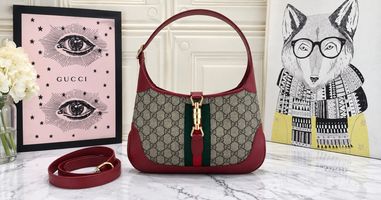
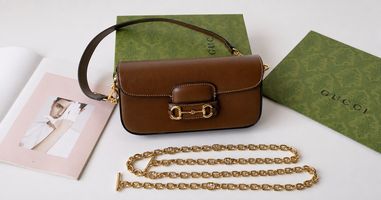
Gucci Shoulder Bag for Long Wear,Jackie Slim,Blondie,and Ophidia Compared

Softbit suits days when contents shift,Jackie Slim works better when keeping the load lighter and closer matters,Blondie favors repeated access,and Ophidia earns its place when switching wearing positions has a practical purpose.The strongest option depends on what becomes inconvenient after several hours.


Long-wear decisions across gucci shoulder bag styles should start with the problem most likely to surface later in the day,not the feature that seems most useful while the bag is empty.


1.Longer Wear Changes the Question


A bag can feel easy during the first hour and become less convenient later.


Longer wear can expose:


• Strap pressure becoming more noticeable.


• Repeated repositioning.


• Slower access after belongings shift.


• The bag sitting farther from the body.


• Added items altering how it rests.


• Unused capacity becoming cumbersome.


The better question is which design prevents the inconvenience most likely to repeat as the day continues.


2.Start With the First Problem Likely to Appear


Different designs solve different long-wear problems.


Shifting contents favor a softer body.A deliberately lighter load benefits from a slimmer profile.Frequent opening rewards straightforward access,while a day with varied movement can make multiple wearing positions more useful.


Choosing gucci shoulder bag for longer wear therefore starts with identifying the first likely problem:


changing contents,excess bulk,repeated access,or changing carrying position.


Once that is clear,the model decision becomes much easier.


3.Softbit Works Best When Contents Refuse to Stay Fixed


Softbit makes the strongest case when the amount inside does not stay consistent through the day.


Its softer construction can accept modest additions without immediately forcing everything else into a new arrangement.


That flexibility helps when:


• One or two extra belongings appear.


• Some reserve space is useful.


• A rigid internal setup would feel restrictive.


The tradeoff is predictability.Smaller belongings may move more,and organization can require additional attention.


Softbit works best when adapting to a variable load is more important than fixed placement.


4.Jackie Slim Makes More Sense When Bulk Is the Problem


Jackie Slim follows the opposite logic.


Its slimmer profile suits someone who intentionally carries less and does not want unused volume surrounding a compact set of belongings.


It becomes more attractive when:


• The usual load stays small.


• Extra capacity is rarely needed.


• Keeping the bag close to the body matters.


• A larger footprint would add more inconvenience than value.


The advantage fades once the usual contents begin pushing against that slimmer format.

Jackie Slim works best when carrying less is a deliberate choice.


5.Blondie Favors Repeated Interaction


Some long days become difficult because the bag is opened constantly rather than because it feels too large.


That is where Gucci Blondie shoulder bag designs become more relevant.


Repeated interaction follows a simple sequence:


reach → open → retrieve → close → return to position


Saving a small amount of effort each time can matter more than extra carrying flexibility that is rarely used.


Blondie suits someone whose main frustration comes from frequent interaction rather than variable capacity.


6.Ophidia Has the Edge When Wearing Position Needs to Change


Ophidia becomes stronger when the day moves through different types of activity.


Shoulder-to-crossbody flexibility can help when:


• Walking stretches become longer.


• Both hands need to stay free.


• Crowded surroundings make a closer position preferable.


• A shorter shoulder setup works indoors,but crossbody feels easier outside.


• Sitting and standing alter the preferred strap setting.


The value is not simply having another strap.It is being able to switch when the original setup stops fitting the situation.


7.The First Two Hours and the Last Two Hours Can Favor Different Bags


The stronger option can change as time passes.


Earlier,the bag may contain less,the wearer is less tired,and minor adjustments barely register.


Later:


• Added belongings can alter the balance.


• Strap pressure becomes easier to notice.


• The preferred side may change.


• Access may take more effort.


• Repositioning can become repetitive.


The key question is:


Which inconvenience appears first,and which becomes harder to tolerate later?


Long-wear suitability depends partly on the order in which those problems emerge.


8.Strap Pressure Is Only One Part of Comfort


Comfort should not be reduced to whether the strap feels soft.


Also consider:


• Where pressure is concentrated.


• How far the bag sits from the body.


• How much it moves while walking.


• Whether repositioning becomes frequent.


• How easily it can switch sides.


• What happens after more is added.


A comfortable strap can still belong to a bag that swings too much.Another design may stay stable but concentrate pressure more strongly.


Comfort comes from the interaction between strap,bag body,contents,and wearing position.


9.When a Soft Body Starts Requiring More Management


Soft construction helps when packing needs some flexibility,but the advantage has a tradeoff.


As belongings move or increase:


• Smaller items may settle differently.


• The interior may require more deliberate organization.


• The body can respond visibly to the way it is packed.


The distinction is simple:


Flexible construction can reduce packing pressure while increasing the need for interior control.


Someone comfortable organizing smaller belongings may accept that exchange easily.


10.A Slimmer Body Helps Until the Carry Starts Fighting It


Gucci Jackie Slim works best while the usual amount inside remains compatible with its slimmer proportions.


The advantage starts to fade when:


• Free space becomes scarce.


• Added items appear frequently.


• Retrieval requires rearranging.


• The opening becomes crowded.


• The bag is repeatedly expected to handle more than its proportions suit.


At that stage,reduced bulk starts creating friction elsewhere.


11.Four Different Needs,Four Different WinnersChoose Softbit when:


• Contents vary through the day.


• Some flexible reserve space is useful.


• Packing adaptability matters more than fixed placement.


Choose Jackie Slim when:


• Carrying less is intentional.


• Extra capacity is rarely needed.


• Keeping the bag physically controlled matters.


Choose Blondie when:


• The bag is opened frequently.


• One preferred setup already works.


• Direct interaction matters most.


Choose Ophidia when:


• Shoulder-to-crossbody switching solves a recurring problem.


• Movement patterns vary through the day.


• Different wearing positions are genuinely useful.


The strongest model is the one aligned with the problem that repeats most.


12.The Wrong Size Can Reverse the Model Choice


Choosing the right model does not finish the decision.


A size that is too small can create:


• Crowded access.


• Repeated rearranging.


• Less room around the opening.


• More pressure from fuller packing.


A size that is unnecessarily large can create:


• Greater physical presence.


• More unused interior.


• Smaller belongings settling farther away.


• Extra movement around the body.


Model choice and size choice should remain separate decisions.


The right design in the wrong size can still produce the wrong result.


13.Compare the Wider Range Before Settling on One Model


By this stage,the main priority should be clearer contents,controlled bulk,repeated access,or carrying flexibility.


Those priorities can guide comparison across gucci shoulder bag designs with different sizes,materials,closures,and strap configurations.The broader collection can then help narrow the choice before committing to one model.


The purpose is not to restart the decision.It is to see whether another design answers the same priority with fewer compromises.


Once the requirement is clear,a wider product range becomes easier to evaluate.


14.Final Decision Design Stays Easier for Longer Wear?


Choose Softbit when shifting contents create the main difficulty.


Choose Jackie Slim when keeping the load compact matters more than reserve capacity.


Choose Blondie when repeated access creates the most friction.


Choose Ophidia when changing wearing positions genuinely improves how the bag works.


The strongest choice is the design that prevents the inconvenience most likely to repeat after several hours,not the one with the longest feature list.

Sophia Carter

Sophia Carter is a fashion writer focused on luxury accessories,designer handbags,and modern styling.She creates practical guides that help shoppers evaluate materials,understand design details,and choose pieces for different occasions.

More Posts

<p><strong>Yves Saint Laurent Sac de Jour vs Icare</strong> Organization or Flexible Capacity?</p><p><strong>Yves Saint Laurent Sac de Jour vs Icare</strong> Organization or Flexible Capacity?</p>

Yves Saint Laurent Sac de Jour vs Icare Organization or Flexible Capacity?

Sac de Jour is better for devices,documents,and repeated workday organization.Icare handles larger,changing loads more easily,but its broad interior and toggle closure require a separate plan for valuables.The YSL Sac de Jour vs Icare decision is therefore about controlled placement versus flexible space,not maximum size.


This comparison focuses on Sac de Jour Medium in supple grained leather and Icare Maxi in quilted lambskin.The stronger option depends on what must remain stable and what needs room to expand.


1.Structure and Expansion Solve Different Problems


Sac de Jour organizes capacity through a defined base,accordion sides,and divided interior.It suits a repeated load in which each item benefits from a predictable position.


Icare uses a wide interior and adjustable sides to accommodate changing contents.A light layer,document pouch,book,or temporary purchase can be added without negotiating fixed sections.


Sac de Jour gives objects boundaries,while Icare lets them spread across a larger area.The deciding question is which inconvenience matters more around fixed sections or searching through a large open interior.


2.The Measurements Describe Two Kinds of Space


Sac de Jour Medium measures approximately 36 × 27 × 19.5 cm.Icare Maxi measures approximately 38 cm across with its sides closed and 58 cm when expanded,with a height of 43 cm and a stated depth of 8 cm.


Icare is wider and taller,but Sac de Jour has the deeper stated base.Icare therefore favors wide,flat,or compressible contents,while Sac de Jour better accommodates thicker pieces that require stable placement.


Exterior measurements still do not guarantee fit.Seams,lining,compartment walls,and the opening reduce usable space,so the largest rigid item should be measured before deciding.


3.Sac de Jour Keeps a Repeated Work Load in Place


Sac de Jour has two compartments separated by a zipped section.A tablet or slim document folder can remain apart from charging equipment,personal items,and smaller accessories.


The zipped center protects selected belongings without enclosing the complete opening.Accordion sides provide some flexibility,but the structured base continues to guide placement.


Predictable organization gives Sac de Jour a strong position among yves saint laurent work bag choices,especially when the same device and documents are carried across the week.The defined body is also more likely to remain upright beside a desk.


The tradeoff is reduced freedom for thick or irregular objects that do not match the divided interior.


4.Icare Handles Changing Loads Without Fixed Sections


Icare uses a large open interior rather than fixed compartments.An inner chain allows the sides to be closed or expanded,and the removable zipped pouch separates smaller or important items.


This construction suits schedules in which the contents change.A scarf,light cardigan,reading material,or document folder can be added without rearranging dividers.


The same flexibility requires a packing system.Small objects can move beneath larger pieces,and an organizer would occupy part of the interior.Icare is most useful when adaptable capacity matters more than keeping every item in a fixed section.


5.Measure the Device Before Choosing


Neither model should be described as suitable for a particular laptop size without checking the device and its sleeve.A device may fit the exterior measurements but still press against a compartment wall or interfere with the opening.


For Sac de Jour,measure the usable width of the intended section and include sleeve thickness.The defined base can support a device more consistently,but the divider reduces uninterrupted space.


Icare provides greater width and height,but its soft construction does not replace padding.Its stated depth must also accommodate the other items placed beside the device.


After measuring the device,add the thickest accessory.This shows whether the load needs a deeper base or a broader interior.


6.Closure Security Is Not the Same


Neither bag uses a full zipper across the main opening.Sac de Jour combines an open structured top with snap-tab construction,while the zipped central section protects only part of the contents.


Icare uses a detachable chain toggle.Its removable zipped pouch provides a place for travel documents,cards,and other small valuables,but the surrounding interior remains open.


Sac de Jour offers more separation without fully enclosing both main sections.Icare provides quicker access to large items but requires the wearer to decide which belongings need the zipped pouch.


In crowded environments,the better arrangement is the one that protects important items without making frequently used pieces difficult to reach.


7.Top Handles and Shoulder Carry Change the Route


Sac de Jour combines short top handles with a detachable shoulder strap.Top handles provide control during brief transfers,while the strap leaves the hands available for a phone,documents,or luggage.


Icare has a stated handle drop of approximately 23 cm,allowing its large body to sit on the shoulder.It can also be carried by hand but does not provide the same documented detachable-strap arrangement.


Carry comfort varies across yves saint laurent shoulder bag designs because strap length,body width,and outerwear change where the bag sits.https://www.loueio.com/products/yves-saint-laurent-shoulder-bags


Sac de Jour offers a clearer switch between hand and shoulder carry.Icare keeps the carrying method simpler but places a broader body beneath the arm.


8.Comfort Changes After Packing


Empty comfort reveals little about how either bag performs during a full day.Structure,hardware,contents,and carrying position all affect pressure.


Sac de Jour’s deeper base can move farther from the torso when filled,and extended hand carry may become tiring.Icare distributes contents across a wider interior but places the load on one shoulder.Its generous space can also encourage unnecessary packing.


Compare both bags with the same realistic contents rather than filling each to capacity.The useful question is which one carries required items comfortably without interfering with walking,outerwear,or luggage.


9.Calfskin and Lambskin Behave Differently


Sac de Jour uses supple grained calfskin with a suede-lined interior.The textured exterior,structured base,and metal feet support its controlled profile.


Icare uses quilted lambskin with grosgrain lining.The softer construction allows the sides and panels to respond more visibly to the contents and inner-chain adjustment.


With quilted lambskin and an adjustable body,Icare occupies the softer saint laurent tote side of this comparison.Sac de Jour uses grained calfskin to maintain clearer boundaries around the load.Rigid items should still be positioned carefully because they can affect either bag when packed tightly.


10.Desks,Airports,and Trains Change the Result


Sac de Jour is easier to position beside a desk because its defined base supports a more stable stance.Documents and devices can remain in assigned sections,and the zipped center separates selected items.


During travel,that base occupies fixed space and does not compress substantially.Icare adapts more readily around luggage or beneath a seat,but its expanded width may become awkward in a crowded aisle.Contents can also shift when the soft bag is placed on its side.


Sac de Jour favors stable organization.Icare favors flexible placement.The better travel option depends on whether the route creates more difficulty through restricted space or changing contents.


11.Capacity Should Include Retrieval Time


Capacity is incomplete if an item fits but takes several steps to retrieve.Sac de Jour reduces searching by assigning belongings to separate areas.A charger can remain apart from documents,and valuables can stay in the zipped center.


Icare makes larger items easier to add,but access can slow when a soft layer or folder covers smaller belongings.The removable pouch helps,but frequently used pieces still need a consistent location.


Retrieval time helps distinguish YSL women's shoulder bag options that appear similarly spacious.Sac de Jour creates order through construction,while Icare relies more on the way its interior is organized after larger pieces are added.


12.Choose by the Repeated Load,Not Maximum Size


The final choice can be reduced to five directions:


• Choose Sac de Jour when device stability,document separation,and predictable organization matter most.


• Choose Icare when the load changes throughout the day and includes soft,flat,or temporarily added items.


• Choose Sac de Jour when switching between top handles and a detachable shoulder strap is useful.


• Choose Icare when roomy shoulder carry matters more than internal separation.


• Choose neither when a fully zipped main opening,a compact crossbody position,or several secure compartments are essential.


Choose for the busiest recurring load rather than the largest possible packing list.Sac de Jour is stronger when organization saves time and keeps work items stable.Icare is stronger when contents change and additional space must remain available.

Prada Galleria vs Carry vs Buckle Bag Is Better for Everyday Use?Prada Galleria vs Carry vs Buckle Bag Is Better for Everyday Use?
Prada Galleria vs Carry vs Buckle Bag Is Better for Everyday Use?

Prada Galleria,Carry,and Buckle solve three different everyday problems keeps belongings in more fixed positions,Carry gives the load more flexibility,and Buckle offers broader structured space.The better prada bag depends on whether daily ease comes from organization,adaptability,or having fewer restrictions on what goes inside.


A bag that feels highly organized on one day may feel restrictive on another,while extra capacity only helps when it remains easy to use.


1.Three Bags,Three Different Types of Everyday Ease


Galleria,Carry,and Buckle approach daily use from different directions.


Galleria keeps belongings in a more stable arrangement.


Carry allows the contents to change without requiring a completely different setup.


Buckle gives the main compartment fewer rules.


The useful distinction is not simply which model holds more.


The choice is about which kind of restriction you notice most.


Someone who dislikes searching may value fixed organization.Someone whose contents change may prefer adaptability.Another person may care most about adding an item without rebuilding the interior.


2.Start With What You Dislike Doing Every Day


Before comparing dimensions or finishes,identify the action you most want to remove.


Do you dislike searching for the same belongings?


Galleria becomes more relevant.


Does what you carry change slightly from one day to the next?


Carry deserves more attention.


Do you dislike rearranging everything when one thicker or unexpected item is added?


Buckle may fit better.


The right prada bag should reduce the task that keeps returning throughout the week.

That question is more useful than comparing feature counts.


3.Galleria Works When Familiar Placement Matters


Galleria makes sense when the daily contents stay relatively consistent.


A card holder,small pouch,charger,glasses case,or another rigid object can return to a familiar area instead of being placed differently each morning.


That consistency can shorten both packing and retrieval.


Galleria earns its structure when familiar placement saves effort every day.


Its advantage becomes smaller when the contents change enough that the arrangement has to be rebuilt regularly.


4.Carry Works When the Load Changes Without Becoming Large


Carry becomes more interesting when the everyday contents change in composition rather than dramatically in size.


One day may include an extra pouch.Another may add a folded accessory or remove several smaller pieces.The overall amount stays moderate,but the interior needs to tolerate variation.


That flexibility can also matter when shoulder carry is the preferred format.For readers comparing other prada shoulder bags for everyday carry,the broader selection offers different balances of structure,access,and usable space.


Carry sits between tightly defined organization and a completely open interior.


Carry makes more sense when what changes is the combination of belongings,not the scale of what you carry.


5.Buckle Works When Space Needs Fewer Rules


Buckle takes a different approach.


Its value appears when the wearer would rather manage one broader compartment than work around many predetermined positions.


That can help when belongings vary in thickness or when one additional item needs to fit without forcing everything else into a new arrangement.


Buckle suits someone who would rather manage broader space than follow a fixed internal layout.


The tradeoff is having to create enough order inside that freedom.


6.Which Bag Requires the Least Morning Setup?


Everyday ease begins before leaving home.


Ask:


Which one requires the fewest decisions before the day starts?


Galleria can reduce setup when yesterday's arrangement still works today.


Carry allows the contents to shift without making each variation feel like a new packing problem.


Buckle gives more freedom when an extra object changes what needs to fit.


For someone choosing a prada bag for everyday use,this morning setup test can reveal more than a simple capacity comparison.


7.Structure Helps Until the Contents Stop Matching It


Structure is most valuable when what you carry is predictable.


If the same items return each day,Galleria can make their positions easier to remember.


When the contents change regularly,the wearer may begin adjusting belongings around the interior instead of benefiting from it.


Organization helps most when the contents themselves remain consistent.


When that consistency disappears,adaptability starts to matter more.


8.Flexibility Helps Until Everything Starts Moving


Flexible interiors have their own boundary.


Carry can accept small changes,but adaptability stops helping when important belongings lose recognizable positions.


If the same phone,card holder,or small case ends up somewhere different each day,retrieval demands more attention.


Flexible space works while the wearer can still predict where important belongings will be.


The better interior gives the actual contents enough order without making change difficult.


9.Open Space Helps Until Retrieval Becomes the Problem


Buckle makes adding or rearranging larger pieces easier,but a broader compartment creates another question:


What happens to the smallest items?


A large main area works well when the contents include a manageable number of objects with clear positions.


It becomes less efficient when many small pieces collect together.


More usable room does not automatically mean easier access.


Buckle makes more sense when flexible placement matters and high-frequency belongings can still be located quickly.


10.Which Bag Handles One Extra Item Better?


Pack what you normally carry,then add one unplanned object.


It might be:


• a compact pouch


• a folded scarf


• a small bottle


• a minor purchase


Galleria depends more on whether the existing arrangement has room to absorb the addition.


Carry can handle moderate changes without requiring the whole interior to work differently.


Buckle gives the main compartment more freedom to redistribute around the new object.


Everyday capacity is partly about what happens when the normal contents gain one unexpected item.


11.The Better Bag May Change After It Is Half Full


Empty bags reveal little about daily behavior.

Once the interior reaches roughly half of its working capacity,look at:


• how much of the opening remains visible


• whether important items can still be identified


• whether the body keeps its intended form


• whether belongings begin pressing into one another


• whether there is still room for a small change


Different prada bags can feel similar when nearly empty and much more distinct once the contents begin influencing the interior.


The better test is how easily the normal contents can still be used after the bag is partly filled.


12.Which One Is Easier Through a Longer Everyday Schedule?


A normal day can become:


home → work → errands → shopping → dinner


Galleria keeps its organized arrangement through those changes,but the same body presence remains with it.


Carry adapts when the contents or setting shift slightly.


Buckle can absorb additional items more easily,but the wearer still has to maintain order.


If none of these three clearly matches the problem,the broader everyday-use comparison returns to Cleo,Re-Edition,Bonnie,Explore,and Galleria before narrowing the choice again.


A model that feels easy in the morning should still make sense once the day extends beyond the original plan.


13.When Galleria Is the Better Choice


Galleria moves ahead when the contents are relatively consistent and familiar placement matters more than interior freedom.


It is especially convincing when:


• the same belongings travel most days


• predictable positions reduce searching


• structured organization is used regularly


• a more defined body does not interfere with movement


• the bag does not need to adapt repeatedly through the day


Among these prada bags,Galleria trades some adaptability for greater consistency.

That trade makes sense when consistency solves a recurring problem.


14.When Carry Is the Better Choice


Carry fits the middle ground.


It works when the daily contents change enough that rigid organization would feel restrictive,but not enough to require a much larger or more open format.


The wearer may carry slightly different combinations across the week while still wanting the bag to remain controlled and easy to understand.


Carry sits between fixed organization and unrestricted space.


That is its clearest advantage within this three-bag comparison.


15.When Buckle Is the Better Choice


Buckle becomes more convincing when usable room matters more than fixed placement.


It suits days when the contents may gain a thicker object,another pouch,or something that does not fit neatly into a predetermined arrangement.


If the normal contents include many small items that must be reached quickly,a more segmented interior may require less searching.


Buckle is strongest when freedom inside the bag is genuinely used rather than simply available.


16.Final Decision the Type of Control You Actually Need


Galleria gives more control over where belongings stay.


Carry gives more control over how the contents change.


Buckle gives more control over how freely the available room can be used.


The better prada bag is the one whose type of control matches the inconvenience that appears most frequently during the week.


Choose Galleria when predictable placement removes daily effort.Choose Carry when moderate changes in contents matter more than fixed organization.Choose Buckle when broader usable room solves more problems than additional internal structure would.


Everyday ease comes from using the advantage you actually need,not from choosing the bag with the greatest number of possible advantages.

When Does Shoulder Carry Make a Louis Vuitton Bag More Versatile?When Does Shoulder Carry Make a Louis Vuitton Bag More Versatile?
When Does Shoulder Carry Make a Louis Vuitton Bag More Versatile?

Broader proportions and more varied daily capability can make louis vuitton bag formats more adaptable,provided shoulder carry remains manageable beside the body.The advantage is not simply having a shoulder strap.It comes from supporting a wider range of bag bodies and changing contents without making placement,removal,or regular use unnecessarily difficult.


That freedom has a boundary.More size,more structure,or a highly specific shoulder position can eventually reduce the benefit the carrying method was meant to create.


1.Shoulder Versatility Starts With Format Freedom


Shoulder carry can accommodate a wider variety of bag bodies than carrying methods that place tighter restrictions on overall proportions.


Think of this as format freedom.


Width,height,depth,and structure can vary more freely because the bag does not need to sit diagonally across the torso.This supports everything from compact shoulder styles to fuller daily formats.


That freedom matters only while the resulting proportions remain easy to manage beside the body.A design becomes more useful across situations when broader dimensions solve real needs without creating new handling problems.


2.The Strap Should Support the Bag,Not Define It


A shoulder strap works best when its dimensions and the bag body make sense together.


This is strap-body balance.


A fuller design places different demands on strap drop and positioning than a compact one.When those elements work together,the strap supports the bag rather than dictating one precise way to wear it.


Greater scale only improves flexibility when the strap can support it without requiring an exact position;more adaptable louis vuitton bag formats allow greater tolerance in how the bag sits on the shoulder.


3.Find the Usable Shoulder Zone


Where the bag sits matters as much as whether the strap technically reaches the shoulder.


The carry zone is the area where the bag remains manageable without crowding the body or requiring repeated repositioning.


Depending on its proportions,the bag may sit:


• closer under the arm


• higher along the side


• lower toward the upper hip


• somewhere between those positions


There is no universal best location.


A stronger design remains workable when contents,clothing,or placement shift slightly.If the bag only feels right within one precise zone,shoulder carry offers less usable freedom than it first appears.


4.More Size Helps Only While the Proportions Still Work


Shoulder carry can support fuller bag bodies,but added scale eventually changes the entire carrying experience.


Greater width occupies more of the body side.Additional depth pushes the bag outward.More height can alter the space available under the arm.


This creates proportion tolerance.


The practical range of louis vuitton shoulder bag options expands only while those proportions remain easy to manage.


More size is worthwhile when it creates capability that is actually used.Once physical presence becomes more noticeable than the problem being solved,the added scale starts working against versatility.


5.Quick Placement and Removal Add Another Kind of Flexibility


Shoulder carry does not provide the same continuous hands-free security as crossbody carry,but it offers a different advantage.

The bag can usually be put on or taken off with little effort.


This creates removal flexibility.


That matters when a bag regularly moves between being carried,set beside a chair,placed down briefly,and picked up again.


The benefit is the small amount of physical adjustment required to start or stop carrying the bag.A fuller format can still work well across different moments when those transitions remain simple.


6.Broader Daily Capability Has to Stay Proportionate


A shoulder bag for changing daily needs can accommodate more variation than a highly compact design,but additional room helps only while the overall scale still earns its place.


Think of this as scale-to-carry balance.


Ask:


Does the additional bag body solve enough changing needs to justify carrying those proportions every time?


A fuller design becomes worthwhile when its dimensions repeatedly prevent a meaningful compromise.If most of that extra body remains unnecessary,the bag may be capable of more without becoming a better all-rounder.


7.Size Changes More Than Capacity


Moving between sizes changes more than what fits.


It can alter:


• how much of the body side the bag occupies


• the relationship between strap and bag body


• where the top edge sits


• how much physical bag remains on lighter days


This creates size-to-shoulder payoff.


Those differences become especially important when choosing OnTheGo PM or MM.A larger size improves shoulder versatility only when its additional proportions solve needs substantial enough to justify carrying them regularly.


The useful size is the one where increased physical scale produces a meaningful functional gain.


8.Structure Changes How Shoulder Carry Behaves


Soft,semi-structured,and firmer bag bodies do not behave the same way on the shoulder.


This is structure compatibility.


A softer body may adjust more readily as contents change.A firmer one may preserve a more consistent profile.


Neither approach is automatically better.The question is whether the structure continues working as requirements shift.


If the bag performs well only at one level of fullness or with one carefully controlled arrangement,the structure is restricting its usable range.


9.Clothing Layers Can Change the Shoulder Fit


Shoulder carry interacts directly with clothing.


A strap that works comfortably over a light top may sit differently over a blazer,knitwear,or coat.The bag body can also move farther from the torso as layers increase.


This creates layering tolerance.


Seasonal clothing changes can expose whether louis vuitton shoulder bag proportions still work once extra layers alter the space between strap and shoulder.


The goal is not identical positioning throughout the year.It is enough tolerance that ordinary clothing changes do not make shoulder carry feel like a completely different setup.


10.The Smaller Size Is Not Automatically More Versatile


Smaller dimensions reduce physical presence,but that does not guarantee broader usefulness.


A smaller option can become restrictive when regular requirements repeatedly push against its practical range.A larger one can create the opposite problem by bringing unnecessary scale to lighter use.


Choosing Neverfull PM or MM therefore should not stop at which one appears easier to carry.The better size is the one that creates fewer compromises across the way the bag will actually be used.


Smaller proportions help until reduced scale begins forcing repeated workarounds.


11.Shoulder Carry Works Best When Several Strengths Stay Intact


Strong shoulder-led designs rarely rely on one major advantage.


Several qualities usually need to remain effective together:


• enough room for changing requirements


• manageable proportions beside the body


• straightforward carrying


• flexibility for different contents


• easy transition between carrying and setting the bag down


This is multi-strength retention.


Shoulder versatility improves when these qualities reinforce one another.If one strength becomes extreme enough to weaken several others,the design moves toward specialization.


12.Shoulder Versatility Also Has a Ceiling


There is a stage where giving shoulder carry more bag to support stops improving adaptability.


That is the shoulder versatility ceiling.


Possible signs include:


• the bag body occupying too much of the side


• strap and body proportions becoming harder to balance


• additional room contributing less than the scale it adds


• shoulder positioning becoming unusually specific


Larger louis vuitton shoulder bag proportions begin working against versatility once added scale creates more restrictions than practical benefit.


The stronger choice stays below that threshold.


13.Similar Daily Capability Can Produce Very Different Shoulder Formats


Two bags can serve overlapping daily requirements while using their dimensions differently.


One may rely on an open,flexible body.Another may use firmer proportions and a more defined structure.


This creates format payoff.


The useful question is not simply which one offers more room.It is which design turns its dimensions into more effective shoulder use.


That is why choosing Neverfull MM or OnTheGo MM involves more than comparing capacity.The two formats can deliver similar daily capability while producing very different experiences beside the body.


14.Choose Shoulder Carry When Format Freedom Solves More Problems


Shoulder-led designs make the strongest case when:


• broader bag bodies genuinely improve daily use


• changing requirements make that flexibility worthwhile


• the bag remains manageable beside the body


• added scale continues earning its place


• clothing changes do not make the strap overly specific


• the design works without one exact shoulder position


Give shoulder carry less weight when:


• crossbody security matters much more


• additional size rarely solves anything important


• the bag only works well in one carrying position


• physical presence becomes more noticeable than the function gained


Shoulder carry strengthens louis vuitton bag versatility when broader format freedom remains useful without making proportion,structure,or positioning harder to manage.


Shoulder carry adds real versatility when it supports a wider range of practical bag formats without allowing size,structure,or body position to become new constraints.

Gucci Blondie vs Ophidia Is Easier for Access and Flexible Carrying?Gucci Blondie vs Ophidia Is Easier for Access and Flexible Carrying?
Gucci Blondie vs Ophidia Is Easier for Access and Flexible Carrying?

Blondie and Ophidia differ most in how they balance direct access with adaptable carrying.Blondie suits someone who values a simple,consistent interaction with the bag,while Ophidia makes more sense when switching between shoulder and crossbody positions solves a recurring problem.


For anyone comparing Gucci Blondie vs Ophidia,feature count matters less than the action performed most often.Blondie favors consistency around access and placement,while Ophidia adds more value when changing how the bag is worn genuinely makes the day easier.


1.Start With the Action You Repeat Most


Convenience usually comes down to one recurring action.


That may be:


• Reaching inside.


• Closing and reopening.


• Moving from shoulder to crossbody.


• Pulling the bag forward before access.


• Adjusting it after sitting.


• Resetting the strap before walking.


The stronger design usually simplifies whatever happens most frequently.A feature used occasionally contributes less than a small convenience that improves the same action throughout the day.


2.Access Is More Than Opening the Bag


Access is a sequence:


reach → open → locate → remove → close → return to position


A quick closure helps less if the bag first needs repositioning.An easy opening also loses value when finding smaller belongings becomes the slower step.


Comparing access around Gucci Blondie bag designs therefore requires looking at the whole sequence,where closure,wearing position,and internal reach can affect different parts of the interaction.


Access should be judged as a complete process rather than one hardware feature.


3.Carrying Flexibility Only Matters If You Actually Switch


More carrying options do not automatically improve a bag.


Shoulder-to-crossbody flexibility becomes useful when:


• A longer walking section begins.


• Both hands need to remain free.


• Surroundings become more crowded.


• A shorter shoulder setting works

indoors,but crossbody feels easier while moving.


• The bag needs to sit closer to the body.


If the wearer almost never switches,the second configuration contributes much less.

Flexibility earns its value when it solves a transition that genuinely occurs.


4.A Consistent Carrying Setup Can Be Easier


Adaptability has an opposite advantage.

Keeping the bag in one familiar place can reduce:


• Strap adjustments.


• Changes in where the opening sits.


• Repositioning before access.


• Small decisions about how the bag should be worn.


Someone who already knows the preferred setup may gain more from predictability than additional configurations.


The real distinction is adaptability versus consistency.


5.The One-Hand Access Test


One-hand access becomes more revealing when the other hand is already occupied.


Ask:


• Does the bag need to be steadied before opening?


• Can the closure be operated with one hand?


• Does it stay stable while something is removed?


• Can it be closed without another adjustment?


• Does strap placement help or interfere?


With gucci Ophidia shoulder bag configurations that use zip closure,the opening step carries greater weight when the bag is accessed frequently.


Zip closure can improve containment,but every additional action becomes easier to notice over the course of a busy day.


6.Switching Carry Modes Has Its Own Friction


Changing carry mode can involve:


• Attaching or removing a strap.


• Adjusting length.


• Repositioning the bag.


• Resetting where the opening sits.


• Managing unused hardware.


The question is whether the new setup saves more effort than the change requires.


A second carry mode adds value when changing into it is easier than staying with a less suitable setup.


That separates useful adaptability from a feature that mostly remains unused.


7.What Happens When You Sit Down?


Standing and walking do not reveal every carrying issue.


Once seated,a bag may need to move forward,drop beside the body,rest against a chair,or be removed completely.Strap length can suddenly become more noticeable,and access may change depending on where the opening lands.


Pay attention to:


• Whether the bag can remain on the body comfortably.


• Whether the opening stays reachable.


• Whether excess strap becomes awkward.


• Whether standing up requires another adjustment.


• Whether the bag returns easily to its previous position.


If neither setup matches the preferred wearing position or access pattern,compare gucci shoulder bag options with different carrying configurations before narrowing the choice.


8.Normal Packing Can Change the Winner


Blondie and Ophidia should also be compared after the usual belongings are inside.


Normal packing can change:


• How far the opening spreads.


• Whether the closure remains easy to operate.


• How quickly smaller items can be located.


• How far the bag projects from the body.


• How comfortable crossbody wear feels.


If fuller packing pushes the body outward,crossbody use can feel different.If the opening becomes crowded,closure speed matters less than whether the contents remain easy to reach.


Construction features therefore need to be considered with a realistic amount inside.


9.Strap Position Changes Body Control


An adjustable strap does more than move the bag higher or lower.


It can affect:


• How closely the bag sits against the torso.


• How much it moves while walking.


• Whether it can be pulled forward quickly.


• Where the opening lands relative to the hand.


• How easily it shifts between standing and seated use.


A broad adjustment range has value only when multiple settings genuinely improve use.


Someone who consistently prefers one strap length may gain very little from the extra range.


10.When More Carrying Options Become Unnecessary


Extra flexibility contributes less when someone:


• Uses shoulder carry almost every time.


• Rarely walks long distances.


• Does not need both hands free for extended periods.


• Dislikes changing straps.


• Prefers the opening to stay in a familiar place.


Under those conditions,broader gucci bag carrying options may add less practical value than one dependable setup.


The calculation changes when the day moves between seated periods,walking,crowded spaces,and moments when both hands are needed.


11.Who Should Choose Blondie,and Who Should Choose Ophidia?Choose Blondie when:


• Direct access carries more weight than multiple wearing positions.


• One preferred setup dominates.


• Frequent adjustment feels unnecessary.


• Consistent placement makes interaction easier.


• Simpler handling is more valuable than maximum flexibility.


Choose Ophidia when:


• Shoulder-to-crossbody switching solves a recurring problem.


• Walking time changes through the day.


• Different wearing positions are genuinely useful.


• Adjustable strap placement improves control.


• Secure zip closure is worth an extra access step.


Neither design wins by offering more features.The stronger choice removes the type of friction that actually occurs.


12.When Neither One Is the Right Direction


Neither Blondie nor Ophidia needs to fit every routine.


Another format may work better when the main requirement is:


• Much greater usable capacity.


• Tote-level space.


• Strong internal separation.


• A very compact evening format.


• Sustained hands-free use with minimal adjustment.


• A stable interior for a fixed set of belongings.


At that stage,the issue is no longer access versus flexibility.A different strap cannot solve a capacity problem,and a faster closure cannot correct a carrying position that already feels wrong.


13.Final Decision or Carrying Flexibility?


Choose Blondie when consistency and direct interaction carry more weight.One familiar setup can be the better choice when easy access deserves priority.


Choose Ophidia when changing positions solves a real problem.Shoulder-to-crossbody flexibility becomes valuable when movement changes enough to justify using it.


Between Blondie and Ophidia,the stronger choice depends less on how many carrying options exist than on how often those options make the bag easier to use.

When Does Crossbody Carry Make a Louis Vuitton Bag More Versatile?When Does Crossbody Carry Make a Louis Vuitton Bag More Versatile?
When Does Crossbody Carry Make a Louis Vuitton Bag More Versatile?

Crossbody capability adds real versatility when louis vuitton bag use gains a genuinely different function without making the rest of the design too restrictive.The advantage is not simply having a long strap.It is being able to change how the same bag works when hands-free freedom becomes useful,then continue using it effectively after that need passes.


A second carrying option matters only when it solves a second problem.If crossbody use improves mobility but creates too many compromises in size,structure,or other ways of carrying the bag,the apparent versatility quickly weakens.


1.An Extra Carry Mode Is Not Automatically More Versatile


A bag may offer hand,shoulder,and crossbody carry without all three contributing equal value.


The useful measure is carry-mode value.


Ask:


Does each carrying method solve a different problem that actually returns?


Hand carry may suit shorter periods or a more polished presentation.Shoulder carry allows quick placement.Crossbody carry can free both hands when circumstances require it.


If two modes produce almost the same practical result,the second adds little flexibility.


Versatility increases when switching modes changes what the bag enables,not merely where it sits.


2.The Best Crossbody Function Solves a Different Problem


Crossbody capability becomes meaningful when it handles something another carrying method does not.


That may mean freeing both hands while keeping the same bag,continuing through changing plans without switching bags,or making a more active period easier to manage.


The distinction matters because louis vuitton bag versatility grows through functional separation,not through a longer feature list.


A second mode should solve a distinct constraint.If shoulder and crossbody use feel interchangeable for the way you carry the bag,the added value is smaller than the specifications may suggest.


3.Does the Strap Change Function or Only Position?


A long strap can change where a bag sits without changing much else.


That is why conversion value matters.


Ask:


Does crossbody conversion create a new use,or only a new way to hold the same bag?


High conversion value appears when switching modes:


• frees both hands


• keeps the bag secure without being held


• makes another part of the schedule easier


• lets the same contents continue without repacking


Low conversion value appears when the bag simply moves to a different position.


The strap itself is not the advantage.The new capability created by switching to it is.


4.Crossbody Capability Has a Format Cost


Every carrying method asks something from the design.


Crossbody use may favor proportions that sit comfortably beside the body,a manageable profile,and hardware that supports a longer strap.


Those choices create a format cost.


A more compact body can improve crossbody wear while reducing tolerance for changing contents.A design built heavily around the long strap can make other carrying methods less convincing.


The better question is:


Does crossbody capability add more flexibility than the design gives up to support it?


That determines whether the feature broadens the bag or pushes it toward specialization.


5.Compactness Helps Until It Starts Controlling the Day


Compact proportions can support crossbody use well.They reduce unnecessary bulk and help the bag stay closer to the body.


But compactness stops helping when the smaller size begins dictating too much of what can happen later.


An ordinary addition may require careful editing,or another carrying method may become less useful because the design has been optimized too strongly around reduced dimensions.


That balance matters when comparing louis vuitton crossbody bag options:the hands-free advantage should broaden use without forcing the rest of the day into an overly controlled setup.


Once compactness creates more restrictions than crossbody freedom removes,the versatility gain starts to shrink.


6.A Strap Is Valuable Only When You Actually Switch to It


A removable or adjustable strap may look like an obvious versatility feature.


Its real value depends on mode-switch frequency.


Ask how often you would genuinely change into crossbody carry rather than whether the option merely exists.


If that happens regularly,the strap deserves meaningful weight in the purchase decision.If it remains unused through most of the week,its value is largely theoretical.


A carrying option earns its place when it repeatedly changes what the bag can do.


7.Day-to-Night Use Reveals Whether Conversion Is Efficient


A crossbody bag for day-to-night use provides a useful test because different parts of the day can favor different carrying methods.


Earlier,crossbody carry may provide more freedom.Later,the preferred setup may shift toward shoulder or hand carry,or simply toward a less strap-dominant presentation.


The key is conversion without reconstruction.


Changing modes should not require:


• removing several normal contents


• completely reorganizing the bag


• weakening the original setup


• turning the transition into a repacking exercise


When the carrying method changes while most of the setup remains intact,crossbody capability adds meaningful flexibility.


8.Crossbody Does Not Need to Be the Primary Carry Mode


Crossbody capability can still be valuable when it is not used most of the time.


This creates secondary-mode payoff.


A bag may work best by hand or on the shoulder through much of the week,while crossbody carry becomes especially useful during periods when both hands need to remain free.


That can be a strong form of versatility because the secondary mode solves a clear problem without controlling the entire design.


The bag should still feel complete when the long strap is not being used.


9.Check How Much Value Remains Without the Strap


Imagine the crossbody strap removed.


What remains?


If nearly every meaningful advantage disappears,the bag is highly dependent on one carrying method.


If hand or shoulder use still feels complete,the design has lower strap dependence.


That distinction matters when louis vuitton bag versatility is the goal.A design that remains useful both with and without crossbody carry has a broader foundation than one whose appeal drops sharply once the long strap is removed.


Crossbody capability should add another useful layer rather than become the only reason the bag works.


10.Good Conversion Preserves the Rest of the Bag


A strong conversion changes how the bag functions without making the rest of it feel mismatched.


Think of this as format continuity.


The strap may change.The position against the body may change.The amount of hands-free freedom may change.


But the bag should still make sense.


A useful conversion does not suddenly make the proportions awkward,turn normal contents into a problem,or require extensive reorganization.


That continuity separates genuine adaptability from a feature that looks flexible mainly on paper.


11.Crossbody Versatility Has a Ceiling


A louis vuitton crossbody bag reaches its versatility ceiling when improving hands-free carry starts weakening the other qualities that give the design broader value.


Possible signs include:


• proportions becoming too restrictive for ordinary changes


• other carrying methods feeling secondary


• strap hardware becoming too influential


• crossbody requirements controlling too much of the design


Ask:


At what point does making the bag better crossbody make the rest of the bag worse?


The more adaptable choice stays below that threshold.


12.Choose Crossbody Capability When It Removes a Repeating Constraint


A versatile crossbody bag for everyday use makes the strongest case when hands-free carry solves something that returns regularly rather than a hypothetical problem.


Crossbody capability deserves more weight when:


• hands-free freedom repeatedly changes how the bag can be used


• switching modes creates a meaningful functional difference


• the long strap is used often enough to matter


• compact proportions do not create excessive restrictions


• other carrying methods remain worthwhile


Give it less weight when:


• the strap is rarely used


• shoulder carry already solves the same need


• compactness creates more inconvenience than mobility removes


• most of the bag's value depends on remaining crossbody


The goal is not maximum crossbody use.It is making sure the added mode removes more friction than it creates.


13.The Best Crossbody Function Adds More Than a Strap


Crossbody carry improves versatility when it adds a capability you genuinely need without forcing the entire design to specialize around it.


The strongest setup combines clear carry-mode separation,meaningful conversion value,manageable format cost,and low strap dependence.


Those qualities matter more than simply counting how many ways the bag can be worn.


When comparing louis vuitton bag options,the stronger crossbody-capable choice gains hands-free function while preserving enough value in its other configurations.


Crossbody carry adds real versatility when the hands-free function is genuinely useful and the bag remains practical in its other carry modes.

Prada Bag for Work and Commuting Style Fits a Full Day?Prada Bag for Work and Commuting Style Fits a Full Day?
Prada Bag for Work and Commuting Style Fits a Full Day?

The right prada bag for work and commuting depends on what must stay predictable through a full day favors structured organization,Re-Edition adds carrying flexibility,and Explore helps when small items need frequent access.Cleo and Bonnie become stronger with lighter loads shaped by the commute and what happens after work.


A bag can work perfectly beside a desk and still become inconvenient on the way there.Commuting exposes body width,strap position,access,and security before office organization matters.The better choice has to work through the journey as well as the hours spent at work.


1.Work and Commuting Stress Different Parts of a Bag


Work and commuting test different qualities.


At work,the bag may need:


• predictable organization


• room for rigid objects


• a controlled exterior


• familiar placement


During the commute,it faces:


• walking


• standing


• seating


• outerwear


• frequent access


• crowded spaces


A good work bag can still be a poor commuting bag.


A structured design may organize work items well but feel more noticeable on transit.A softer design may move more easily while offering less fixed organization at the desk.


The right balance has to survive both parts of the day.


2.Start With the Commute Before the Desk


It is easy to begin with what the bag needs to hold at work.


Start with how the prada bag reaches the office.


A twenty-minute walk creates different demands from driving directly to a parking space.Public transportation adds standing,seated access,crowds,and frequent changes in body position.


Outerwear matters too.A strap that works over a light top may feel less stable over a coat.


Ask:


What part of the commute forces me to interact with the bag most?


Walking raises the importance of carrying position.Transit makes body footprint and access more important.A short controlled commute gives the interior layout more weight in the decision.


3.Galleria Works When the Interior Needs to Stay Predictable


Galleria becomes convincing when the same work objects need to return to familiar positions.


Its structured construction suits a load that stays fairly consistent from one weekday to the next.Rigid pieces can occupy defined areas,and the exterior remains more independent from small changes inside.


That can reduce morning repacking.


Galleria works best when the same objects need to return to the same relationship every day.


The tradeoff appears outside the office.A structured body still occupies space when lightly packed,which can become more noticeable during long walks,public transportation,or tight seating.


4.Re-Edition Works When Carrying Position Changes During the Day


Re-Edition becomes more relevant when the workday includes different ways of moving.


The bag may begin in one position during the commute,shift during walking,and change again after work.


That is where adaptable carrying options earn their value.


If the bag stays in the same position from leaving home to returning,extra configurations matter much less.


If walking distance,outerwear,and later plans change regularly,the ability to adjust how the bag sits can remove a recurring inconvenience.


Carrying flexibility matters when the day actually asks the bag to move differently.


5.Explore Works When Access Happens Before You Reach the Desk


Some commuting objects are needed before work begins.


A phone,access card,earbuds,keys,or another small item may be used several times before the wearer reaches the desk.


Explore becomes more relevant when these high-frequency items can avoid the main search path.


The advantage is not pocket count.It is access hierarchy.


Commute organization becomes useful when it removes an item from the main search path.


This works only when each area develops a clear purpose.If smaller items move randomly between pockets,the extra zones become more places to check.


6.The Best Work Capacity Is Predictable Capacity


A work bag does not need the maximum possible interior.It needs enough room for the objects that genuinely shape the day.


When considering a prada bag for work,start with the largest pieces that appear regularly.


A device,document case,charger,or another rigid object can determine:


• interior arrangement


• opening access


• room for smaller belongings


• exterior behavior after packing


Occasional objects deserve less influence.


Predictable capacity is more useful than maximum capacity when the work load itself is consistent.


The goal is enough room for the normal arrangement without carrying an empty reserve every day.


7.Body Footprint Matters More on Transit Than at a Desk


A bag can look perfectly proportioned beside a chair and feel very different on a train.


Transit exposes width and depth because the bag has to share limited space with the body.


Consider:


• standing beside other passengers


• sitting without placing the bag on the floor


• turning through a crowded aisle


• walking with the arm moving freely


• entering or leaving a car


A wider structured body may organize work objects well while requiring more repositioning during these moments.


A bag can fit the work load and still occupy too much commuting space.


The office tests what goes inside.Transit tests what the complete bag does outside.


8.When Shoulder Carry Makes Sense for Work


Shoulder carry works best when the bag remains stable without limiting arm movement or demanding frequent correction.


The important test begins after the normal work load is added.


A prada shoulder bag may sit differently once a device,charger,case,or other dense object changes the weight distribution.For broader shoulder-carry options across different structures,https://www.loueio.com/products/prada-shoulder-bags provides the relevant lower-level selection.


Outerwear should also be included.A strap that feels correct in warm weather may behave differently over a coat.


The loaded bag should remain easy to carry while walking,sitting,and reaching without constant repositioning.


9.Quick Access Matters More When the Same Item Is Used Repeatedly


Work and commuting create different access frequencies.


A notebook may be removed once at the desk.A phone or access card may be reached for throughout the journey.


The useful question is:


Which object interrupts the day most often?


Galleria keeps the overall arrangement more consistent.Re-Edition adapts carrying position.Explore separates high-frequency objects.Bonnie supports recognizable horizontal placement.Cleo keeps a lighter work load more direct.


A small access advantage can matter more than extra capacity when it saves the same step several times before lunch.


10.Which Bag Needs the Least Repositioning?


Comfort is not only about how a strap or handle feels.


Commuting reveals another measure:


How often does the whole bag have to move before something else can happen?


You may need to reposition it before:


• sitting


• reaching for a phone


• opening a coat


• passing through a tight space


• entering a car


• using both hands


Commute comfort can be measured by how often the bag has to be moved before something else can happen.


A firmer design that stays in one workable position may be easier across the full journey than a softer bag that constantly needs shifting.


11.Work Structure Can Become After-Work Friction


The workday does not always end when the office closes.


A bag may continue into dinner,shopping,a longer walk,or another social setting.


A structured body can keep the weekday load organized but maintain the same physical presence after most work items are no longer needed.A more adaptable design may move more easily later while offering less fixed organization during office hours.


If the bag goes directly from desk to home,work performance can dominate.


If the day regularly continues for several hours,after-work movement deserves more influence.


The strongest work solution should not create a second problem as soon as the office portion ends.


12.Which Prada Bags Handle a Full Workday Better?


Different prada bags solve different parts of the work-and-commute problem.


Galleria — structured organization and stable placement.


Re-Edition — changing carrying conditions.


Explore — access-heavy commuting.


Bonnie — compact horizontal organization.


Cleo — lighter polished workdays.


These are not rankings.


The better candidate is the one whose main advantage applies to the hardest part of the actual weekday.


13.When a Smaller Bag Is Actually Better for Work


“Work bag” often implies a larger format.


That assumption can be misleading.


If the workplace does not require a laptop,large documents,or several rigid pieces,the larger body may add capacity without improving the day.


Extra room can mean:


• more objects


• more weight


• longer search paths


• more body footprint during commuting


Work does not automatically require a large bag.It requires enough space for the objects that actually participate in the workday.


Capacity should follow the job the bag performs,not the label attached to it.


14.When One Bag Has to Cover Office and After-Work Plans


A full weekday can include several environments without becoming a travel day.


The bag may move through:


commute → office → errands → dinner


A highly structured model may win at the desk but demand more accommodation later.A flexible design may move more easily through the evening while requiring a less fixed work arrangement.


If it is still unclear which trade matters most,the broader bag selection framework separates carrying format,access,structure,and usable capacity before narrowing the decision to individual styles.


The better one-bag solution is usually not the model that peaks in one setting.It is the one that remains workable across the settings that occur regularly.


15.Build the Final Work-and-Commute Shortlist


Once the hardest part of the weekday is clear,the shortlist should shrink.


If structured organization dominates:


→ Galleria


If carrying position changes through the day:


→ Re-Edition


If high-frequency commute access is the main issue:


→ Explore


If compact organization matters without a large work load:


→ Bonnie


If lighter polished carry fits the actual workday:


→ Cleo


Do not keep adding models after two or three already solve the main problem.


At that stage,compare opening,loaded body position,usable interior geometry,and how each bag behaves during the commute you actually make.


16.Final Decision for the Part of the Workday You Cannot Avoid


The strongest prada work bag is usually the one that handles the least flexible part of the day without making everything around it harder.


For one person,that may be a crowded commute.For another,it may be carrying the same rigid work items every weekday.A third may need the bag to remain workable for hours after leaving the office.


Those constraints should carry more weight than an occasional meeting or rare high-capacity day.


Start with the part of the schedule you cannot easily change.Then choose the structure,access system,and carrying format that interfere with it the least.


The better work-and-commuting choice is not the model that looks most capable beside a desk.It is the one that still works while getting there,staying there,and continuing through what comes after.

<p>Yves Saint Laurent Envelope Small vs Medium Size Fits Everyday Essentials?</p><p>Yves Saint Laurent Envelope Small vs Medium Size Fits Everyday Essentials?</p>

Yves Saint Laurent Envelope Small vs Medium Size Fits Everyday Essentials?

In the Yves Saint Laurent Envelope Small vs Medium comparison,Small is better for a compact,edited load and straightforward long-chain carry.Medium suits a larger phone case,hard eyewear case,and slim pouch,but both are 6 cm deep.Medium adds useful width and height rather than extra room for thick objects.


1.The Difference Is Height and Width,Not Depth


Envelope Small measures approximately 21 × 13 × 6 cm,while Envelope Medium measures approximately 24 × 17.5 × 6 cm.Medium adds 3 cm in width and 4.5 cm in height,but the stated depth remains unchanged.


Additional width helps longer objects sit without pressing into the sides.Extra height provides more clearance beneath the flap and makes slim pieces easier to layer.


Neither improvement makes a hard eyewear case,charger,or cosmetics pouch thinner.Medium provides greater usable capacity,but its advantage comes from a larger interior footprint rather than a deeper compartment.


2.Small Rewards an Edited Load


Envelope Small works best with compact items that fit together.A phone in a protective case,cardholder,slim cosmetics pouch,and one additional accessory can form a practical daily load.


A hard eyewear case may occupy much of the available depth,leaving less room for another rigid object.A short wallet is easier to position than a continental wallet,and a slim power bank creates less pressure against the panels than a thick charging unit.


The lower interior keeps belongings easy to locate,but each added piece affects closure alignment.Small suits someone willing to reduce the load before leaving home rather than expecting the bag to absorb extra items later.


3.Medium Adds Breathing Room,Not Unlimited Capacity


Envelope Medium gives carried items more room to spread across the interior.A larger phone case,short wallet,hard eyewear case,and slim pouch can be arranged with less competition for width.


The added height creates more clearance beneath the flap and makes an A6 notebook or another flat piece easier to include.For someone considering a YSL Envelope bag,Medium is more forgiving when the daily load changes.


Its 6 cm depth still controls how many thick objects can sit together.A hard case placed beside a bulky pouch may press against both panels even when space remains above them.Medium improves arrangement and access,but it does not perform like a deep day bag.


4.Start With the Largest Rigid Item


Begin with the largest object that cannot bend,such as an eyewear case,a phone in a substantial case,or a thick wallet.Check it against all three bag dimensions rather than width by itself.


An item may fit the stated measurements but still be difficult to pass through the opening.Leather,lining,and seams also reduce usable interior space.


Place the second-largest rigid object beside the first.This shows whether the combination needs more width,height,or depth.Small suits compatible compact pieces.Medium is safer when the main objects require greater width or vertical clearance.If depth causes the difficulty,neither size may resolve it.


5.The Chain Systems Are Not Identical


Envelope Small has a long chain with a stated drop of approximately 55 cm.It provides one consistent long-strap position but does not offer the same documented adjustment range as Medium.


Envelope Medium uses a sliding chain.Its stated drop is approximately 52 cm when worn long and 30 cm when doubled.This creates a clear change between a longer carrying position and shorter shoulder carry.


Where either size sits depends on the wearer’s height,outerwear,and preferred placement.Medium offers more carrying variation,while Small combines a simpler chain setup with a compact body that occupies less space beside the wearer.


6.Access Changes When the Bag Is Full


Both sizes use a magnetic snap tab beneath the flap.They also provide one interior slot pocket and an exterior back pocket,so their basic organization is similar.


Small offers quick visual access when lightly packed.Filling it close to capacity can make the flap harder to align,especially when a rigid object sits high in the interior.


Medium provides more hand room and allows items to be repositioned without removing as much.Its larger interior does not add compartment separation,so smaller pieces may still move unless placed in a pouch.


When comparing a Yves Saint Laurent shoulder bag for repeated daily access,the decision is between a compact visible arrangement and a roomier interior that requires a little more organization.


7.Proportion Changes Day-to-Evening Use


Envelope Small creates the more compact profile.It is easier to place beside the body at dinner,carry through a crowded room,or use across a schedule that continues into the evening.


Envelope Medium has more visual presence because of its added width and height.It better supports a full daytime load when eyewear,charging equipment,and personal items must remain together.


Related shoulder-carry proportions appear in the same category:https://www.loueio.com/products/yves-saint-laurent-shoulder-bags.This provides context for comparing the Envelope sizes with bags using softer bodies,wider openings,or different strap arrangements.


Choose Small when compact proportion remains useful throughout the day.Choose Medium when reducing the carried load would create repeated inconvenience.


8.Comfort Depends on What Fills the Extra Space


Medium does not become uncomfortable simply because it is larger.Comfort changes when the additional room is filled with extra weight.


A lightly packed Medium provides easier access without a major increase in pressure.A load containing a power bank,hard case,full wallet,and cosmetics pouch places more strain through the chain.The doubled position changes where that pressure sits but does not reduce the weight.


Small reaches practical capacity sooner,which can help keep the load controlled.Its compact body may also move less against the hip.


Comfort in a YSL bag should be assessed with the items that will actually be carried and with the chain positioned over both light clothing and a coat.


9.The Same Leather Makes Size the Main Variable


Both versions use quilted Grain de Poudre embossed leather with a structured flap and comparable construction.This keeps material from distracting from the size decision.


Medium’s larger surface area creates more contact with the arm,clothing,and surrounding objects.Small occupies less space beside the body and may be easier to manage in crowded settings.


The embossed leather supports the defined profile,but it cannot create extra depth once several rigid objects are packed together.With material,closure,and pocket arrangement remaining comparable,the decision rests mainly on dimensions,chain configuration,and required packing room.


10.Choose by the Repeated Schedule


Small makes sense when the usual load consists of a protected phone,cardholder,slim pouch,and one compact accessory.It also works when the bag must remain unobtrusive during meals,events,or crowded travel.


Medium is more practical when a hard eyewear case,charging equipment,notebook,or additional personal item appears regularly.The added width and height make these combinations easier to arrange.


Access frequency matters too.A tightly packed Small may require repeated rearrangement.A lightly packed Medium is easier to reach into,but its larger body occupies more space on a seat or beside the wearer.


Choose for the recurring schedule rather than the fullest exceptional day.


11.Which Size Makes More Sense?


The final choice depends on what must fit,how the chain will be worn,and whether compact proportion or packing flexibility matters more.


• Choose Envelope Small when the everyday load is edited,the largest rigid item is compact,and the long-chain position suits the wearer.


• Choose Envelope Medium when extra width and height would improve the arrangement of a larger phone case,hard eyewear case,short wallet,or slim pouch.


• Choose Small when day-to-evening proportion matters more than carrying one additional item.


• Choose Medium when the sliding chain and its long or doubled positions would be used regularly.


• Choose neither size when essential items require substantially more than 6 cm of combined depth,a full zipper is necessary,or several separate compartments are needed.


The Yves Saint Laurent Envelope Small is the more compact and selective option,while Medium provides greater flexibility without becoming a deep bag.Start with the hardest item to pack,and the more suitable size usually becomes clear.

Gucci Giglio Small vs Large Size Makes More Sense for Daily Carry?Gucci Giglio Small vs Large Size Makes More Sense for Daily Carry?
Gucci Giglio Small vs Large Size Makes More Sense for Daily Carry?

Choosing between the two Gucci Giglio sizes is less about maximum capacity than the usable space left after everyday belongings are packed.Small makes more sense when compact handling and moderate contents come first,while Large earns its extra scale when the added capacity solves a recurring need.


The size increase changes more than what fits.It affects how the tote moves around the body,how easily smaller belongings can be reached,and how much unused volume remains on lighter days.


1.Start With What Remains After Everyday Packing


Maximum capacity is a weak starting point.

Begin with what usually goes inside,then look at what remains.


Ask:


• Can everything already packed still be reached easily?


• Can one additional item be added without moving several others?


• Does the opening stay clear enough to use comfortably?


• Is the unused volume serving a real purpose?


A tote needs some breathing space to remain practical,but reserve capacity adds little when it rarely prevents a repeated inconvenience.


The goal is enough flexibility for ordinary use,not the largest size that might become useful someday.


2.Small Works Best When Compact Handling Is the Priority


Gucci Giglio Small makes the stronger case when everyday contents stay moderate and easier handling matters throughout the day.


Its smaller footprint takes up less space beside chairs,in tighter interiors,and while moving through busier settings.The current Small also lists a detachable adjustable shoulder strap in addition to its top handles,adding another carrying option.


That distinction matters because usability is not defined by capacity alone.


If the usual belongings fit without crowding the opening,a substantially bigger tote may add volume without removing an existing problem.


3.Large Only Wins When Its Extra Capacity Has a Job


Large should not win simply because it can hold more.


The jump in width and height changes the physical presence of the tote as well as how much it can accommodate.


That additional capacity becomes valuable when the routine repeatedly includes larger objects,an extra layer,work materials,or items picked up during the day.


If Small would require regular rearranging,Large solves a genuine problem.


If most of the added volume is reserved for rare situations,the wearer is managing a bigger tote every day for an advantage that contributes very little.


4.The Size Jump Changes the Handling Experience


A bigger tote does not create only a larger version of the same experience.


More width and height can affect:


• How close the bag stays to the body.


• How easily it fits beside a chair.


• How much space it occupies while seated.


• Where smaller belongings settle.


• How noticeable it feels in tighter surroundings.


Large gives bigger objects greater freedom.Small trades reserve capacity for a more compact package.


The decision therefore involves both storage and handling.


5.Normal Daily Fill Is the Most Useful Test


A Gucci Giglio tote bag is better judged with an ordinary amount inside than when empty or pushed toward maximum capacity.


With Small,the question is whether everyday contents leave enough flexibility for easy access and one modest addition later.


With Large,the question reverses the extra volume make the bag easier to use,or does it leave smaller belongings scattered through more interior than the routine requires?


The best fit sits between crowding and excess.


If Small still leaves enough usable space after everyday packing,it may already be the right size.If Large remains substantially underused most days,the added volume may contribute little practical value.


6.When Small Starts Feeling Too Tight


Small can stop being the better option before it is physically full.


Watch for recurring signs:


• Everyday belongings consume nearly all usable space.


• Adding one modest object requires several others to move.


• Items gather close to the opening.


• Frequently reached belongings become harder to retrieve directly.


• There is little flexibility for predictable additions.


A tote does not need to reach absolute capacity to feel undersized.If routine use repeatedly turns retrieval into a rearrangement task,the larger size has a stronger case.


7.When Large Starts Feeling Too Large


Large can also pass the stage where additional capacity helps.


That happens when:


• Much of the interior remains empty most days.


• Smaller belongings sit farther from easy reach.


• Extra organization is needed mainly because the tote is spacious.


• Its footprint feels excessive in restaurants,transport,or tighter seating.


• Most reserve capacity exists for rare situations.


If Large creates more scale than the routine needs,gucci shoulder bags for everyday carry can provide a better comparison before more tote volume is treated as the answer.


A larger bag becomes inefficient when managing unused capacity creates more inconvenience than the space prevents.


8.Opening Width and Retrieval Depth Work Together


A larger opening does not guarantee faster access.


Giglio Large gives bigger objects more freedom,but its greater height also means smaller belongings can settle farther from the hand.


Small creates the opposite tradeoff.


Its compact interior keeps moderate contents within a tighter area,which can make familiar items easier to locate.As Small becomes fuller,however,the hand space near the opening decreases sooner.


Access therefore depends on two things:


How clear the opening remains,and how far below it the item sits.


Large favors physical freedom.Small favors shorter retrieval distance until fuller packing begins to crowd that advantage.


9.The Detachable Pouch Does a Different Job in Each Size


Both current sizes include a detachable pouch,but the feature plays a different role inside two very different volumes.


In Small,the pouch occupies a more meaningful share of the interior.It can keep smaller belongings separated,but it also commits part of a tighter area to organization.


In Large,the pouch helps give small items a predictable location while leaving most of the main compartment available for bigger objects.


The principle is simple:


Organization features should be judged by the space around them,not counted as isolated specifications.


10.Choose by Daily Space Requirement,Not Occasional Maximum Need


The clearest Gucci Giglio Small vs Large decision appears once rare packing situations are removed.


Choose Small when:


• Everyday contents remain light to moderate.


• Some usable room remains after packing.


• Compact handling adds real value.


• Larger objects are uncommon.


• The shoulder-strap option will actually be used.


Choose Large when:


• The usual belongings already require substantial room.


• Bigger objects appear regularly.


• Small would repeatedly require rearranging.


• Spare capacity is useful through much of the week.


• The larger footprint fits the places where the tote will be used.


Choose by recurring space requirements,not the largest amount you can imagine carrying.


11.Do Not Size Up for a Rare Need


Occasional exceptions can distort the decision.


A larger tote may seem safer because a jacket appears on one type of trip,a bigger notebook is needed for occasional meetings,or more capacity helps during a few shopping days.


Those situations matter,but they should not determine what is carried the rest of the month.


Ask instead:


How often would Small actually fail during ordinary use?


If the answer is rarely,Large may be solving an exception.If the answer is several times each week,the added capacity has a clearer purpose.


12.When a Different Gucci Tote Bag Setup Makes More Sense


Neither size has to win every decision.


A different gucci tote bag setup may make more sense when the routine calls for greater internal separation,a different wearing method,or proportions that sit between the two Giglio choices.


The same applies when capacity is not the real problem.


Someone who needs extended hands-free use may need another carrying format.Someone whose belongings remain minimal may not need tote-level space.Heavier contents carried for long periods may make weight distribution more important than reserve capacity.


Size can solve a storage problem.It cannot correct a mismatch between the bag format and the routine.


13.Final Decision or Large?


Choose Small when everyday belongings fit comfortably and enough flexibility remains for easy retrieval without repeated rearranging.Its compact footprint becomes an advantage when reserve capacity would mostly stay unused.


Choose Large when the ordinary load regularly consumes the smaller size's usable range.The added capacity earns its place when it prevents a problem that would otherwise repeat across the week.


Between the two Giglio sizes,the better choice is the one that leaves enough flexibility after normal packing without making unused volume part of the daily routine.

What Makes a Louis Vuitton Bag Truly Versatile?What Makes a Louis Vuitton Bag Truly Versatile?
What Makes a Louis Vuitton Bag Truly Versatile?

Versatility across louis vuitton bag choices depends less on maximizing one feature than on keeping important functions available as circumstances change.The strongest option works under fewer conditions,needs little reconfiguration,and avoids advantages that become drawbacks elsewhere.A versatile bag stays relevant across more of the week without creating repeated compromise.


Capacity,mobility,structure,and polish can all contribute,but none determines the answer by itself.The better purchase is the format whose strengths overlap across different uses instead of becoming valuable only under one specific condition.


1.Versatility Starts With Useful Overlap


A versatile bag offers strengths that remain valuable together.


Think of this as useful overlap.


One carry configuration may remain convenient as the pace changes,while available room can support both lighter days and occasional additions.When several advantages continue working together,the bag becomes easier to use across different circumstances.


The opposite is specialization:a feature performs brilliantly under one condition but contributes little elsewhere.


The goal is not to collect the greatest number of features.It is to find a combination whose advantages continue supporting one another.


2.One Exceptional Strength Can Hide a Weak All-Rounder


Some bags appear highly adaptable because one advantage is immediately obvious.


They may be extremely compact,very spacious,strongly structured,or optimized for hands-free carrying.


This creates specialization bias.


A compact format may work beautifully until an ordinary addition appears.A very large option may accommodate almost anything while bringing unnecessary scale to lighter use.


Being excellent at one task is not the same as being versatile.


A stronger all-rounder may sacrifice some peak performance in exchange for fewer situations where the overall format starts feeling mismatched.


3.Count the Conditions Required for It to Work Well


Another clue is how many conditions must remain favorable.


A bag may work best only when:


• contents stay carefully controlled


• one carry mode remains suitable


• little needs to be added later


• the setting stays within a certain level of formality


• contents are arranged in a specific way

This is condition dependence.


Differences between louis vuitton bag formats become clearer when the question shifts from “What can this do?” to “What must remain true for it to keep working well?”


Fewer required conditions generally mean greater flexibility across real use.


4.A Useful Feature Should Survive More Than One Situation


A feature contributes more when its value survives changing circumstances.


This is feature survival.


Extra room matters more when it solves several needs rather than one rare case.A strap configuration earns more value when it remains practical as pace or surroundings change.Structure contributes more when it supports different uses without becoming restrictive.


A feature can therefore be valuable without improving overall versatility.


What matters is whether the advantage carries forward once the original reason for needing it changes.


5.Mobility Expands Range Without Defining Versatility


Hands-free carrying can broaden how a bag is used,but mobility remains only one part of the decision.


A crossbody format may stay convenient as the pace changes while keeping both hands available.That can add meaningful flexibility when movement is common.


The advantage weakens if gaining that mobility removes too much function elsewhere.


Across louis vuitton crossbody bag choices,the more revealing comparison is how much hands-free convenience is gained without making the rest of the format unnecessarily restrictive.


A mobility-led format can broaden the usable range when that freedom remains valuable beyond one specific part of the day:https://www.loueio.com/products/louis-vuitton-crossbody-bags


The strongest option is not simply the easiest to move with.It is the one where mobility expands practical use without creating several new compromises.


6.Measure Adjustment Burden


A bag may technically suit many situations while requiring too much effort between them.


This is adjustment burden.


Watch for repeated changes such as:


• removing items


• reorganizing contents


• changing straps


• switching carry methods


• controlling additions too carefully


One adjustment is rarely important.The problem appears when adaptability depends on frequent reconfiguration.


A bag that continues working with little intervention offers more real flexibility than one that needs to be reorganized whenever circumstances shift.


7.More Capability Can Reduce Versatility


More features do not automatically create a better all-rounder.


Extra room,additional structure,or another carry configuration can become capability excess when the advantage is rarely needed but its consequences remain present.


More space may occasionally help while adding physical presence every day.Stronger structure may support one requirement but contribute little elsewhere.A compact format can remove excess yet leave too little tolerance when needs increase.


This becomes especially important when deciding when crossbody carry adds real versatility,because an extra carrying mode only matters when it solves a distinct problem without weakening the rest of the bag.


A feature earns its place when it remains beneficial beyond one specific use.


8.Find the First Feature That Stops Earning Its Place


A bag usually starts losing flexibility before becoming completely unsuitable.


Look for the first feature that changes from advantage to burden.


This is the versatility break.


It might be:


• extra room that stops solving real needs


• strong structure that suits fewer settings than expected


• compact proportions that require too much editing


• a carry configuration that becomes inconvenient as conditions change


That first reversal matters because other compromises can follow.


A design with a later versatility break keeps its main strengths relevant across more circumstances.A design that reaches it early is more specialized,even if its strongest use remains excellent.


9.Not Every Advantage Needs to Be Maximized


Versatility does not require every attribute to reach its highest level.


Often several features only need to reach an enough-value threshold:


Enough capacity to avoid regular restriction.


Enough mobility to handle changing movement.


Enough structure to support normal use.


Enough flexibility to absorb small changes.


Pushing one attribute much further can begin reducing the value of the others.


Ask:


Is this feature still expanding practical use,or has it already passed what is needed?


A balanced set of strengths can produce a better all-rounder than one maximized feature.


10.Shoulder Formats Can Preserve Broader Daily Capability


Some shoulder-led formats work well across varied daily requirements because they preserve more room without centering the entire design on maximum mobility.


Their advantage is keeping enough flexibility as contents change while maintaining a straightforward carrying method.


That does not make every shoulder format more versatile than every crossbody option.The balance simply shifts.


When fuller daily function matters more than maximum hands-free freedom,louis vuitton shoulder bag choices can provide a stronger direction.


Broader shoulder-led formats can be considered within the same decision when added room or structure continues solving more than one recurring need:https://www.loueio.com/products/louis-vuitton-shoulder-bags


Added room or structure only helps when it continues solving different needs rather than becoming unused volume.


11.Watch for Compromise Accumulation


No single weakness has to be serious for an all-rounder to become less convincing.


Several small compromises can build on one another.


A bag might be:


• slightly larger than preferred


• slightly less mobile than needed


• more structured than useful


• somewhat restrictive when contents change


Each issue may seem minor by itself.Together,they can make the same format less satisfying across much of the week.


This is compromise accumulation.


Instead of asking whether the bag can technically work,ask:


How many concessions are required to keep using the same format?


A stronger all-rounder keeps that total low.


12.Context Tolerance Matters More Than Scenario Count


How well a bag handles changing context is more revealing than the number of situations attached to it.


Some formats remain convincing only while requirements stay high.Others work well under lighter conditions but lose value once more flexibility is needed.


This is context tolerance.


Shoulder-led formats put that tolerance under a different kind of pressure.Broader proportions can expand what the bag handles,but when shoulder carry adds real versatility depends on whether size,positioning,and changing daily requirements continue working together.


The difference becomes especially clear in a work-to-weekend louis vuitton bag comparison,where the real test is whether the bag continues earning its place after the original reason for choosing it has weakened.


The same principle applies elsewhere.


Count how well the format absorbs changing conditions,not how many scenario labels can be attached to it.


13.Find the Versatility Ceiling


Every all-rounder eventually reaches a stage where asking it to do more makes the overall choice worse.


That is the versatility ceiling.


Gaining compatibility with one uncommon requirement may reduce performance across several common ones.The theoretical reach expands,but practical value falls.


Ask:


At what stage does one more possible use create more compromise than benefit?


The goal is not one bag for every conceivable situation.It is the broadest worthwhile range before additional capability starts costing more than it contributes.


14.Choose the Widest Useful Overlap


A strong versatile choice usually shares several characteristics:


• few conditions must be met for it to work well


• normal changes require little reconfiguration


• major features continue earning their place


• several important uses benefit from the same strengths


• small compromises do not build into a larger problem


When assessing louis vuitton bag versatility,the deciding factor is not how much the bag can theoretically do.It is how much of its function remains valuable across the circumstances that genuinely matter.


The most versatile choice is not the bag that can do the most.It is the one that stays effective across the widest range with the fewest recurring compromises.