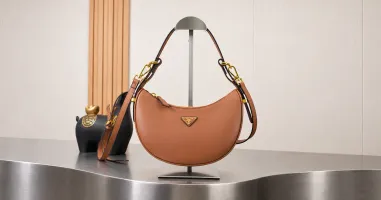
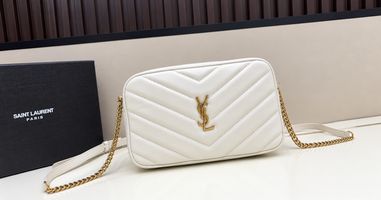

The best way to wear a compact LV Boulogne bag depends on body proportions and daily movement. Short-shoulder carry keeps its curved body higher beneath the arm, while crossbody wear provides hands-free convenience. A comfortable fit should leave room for the elbow, keep the bag from interfering with walking, and allow easy access to the zipper.
Photographs rarely show all three conditions. A bag can appear perfectly positioned in a mirror yet become awkward when its wearer reaches forward, climbs stairs, or sits down.
Boulogne offers several carrying configurations, but the important difference lies in how each one behaves once the wearer starts moving.
1. Start with the Lower Edge
When adjusting Boulogne, the bottom of the bag provides a more reliable visual reference than the strap itself.
In a shorter shoulder position, the curved base sits relatively high beside the ribs. Lengthening the strap brings it closer to the waist or hip, where it may encounter jacket hems and trouser pockets.
The ideal height is not identical for everyone. Someone with a longer torso may need more strap length to achieve the same placement as a shorter wearer.
Check the bag from the side as well as the front. Its lower edge should not press awkwardly into the arm or interrupt a comfortable walking stride.
A few centimeters of difference can change how the bag moves without substantially altering its appearance.
2. Short-Shoulder Carry and Arm Clearance
A high shoulder position emphasizes Boulogne's compact profile, but the space beneath the arm deserves attention.
When the bag sits close to the ribs, the upper arm may brush its surface during walking. This is not necessarily uncomfortable, though a position that feels secure while standing can become restrictive when reaching for a door handle or lifting the arm.
Strap placement also affects stability. A strap resting near the outer edge of a sloping shoulder may slide more easily than one positioned farther inward.
Fine knitwear and smooth jacket fabrics can behave differently beneath the same strap.
Instead of tightening the fit immediately, try lowering the bag slightly. Additional clearance may improve arm movement while preserving the neat shoulder-carried appearance.
The most comfortable setting leaves the elbow free to move without repeatedly pushing the bag backward.
3. Finding the Crossbody Position
Crossbody wear introduces a diagonal strap line and moves the bag to a different area of the torso.
For a compact LV Boulogne bag, the key is checking where the rounded lower section rests during movement. If it lands directly against the front of the hip, the body may shift forward with each step.
Raising the bag can bring it closer to the waist. Lowering it may feel less restrictive around the upper torso, although additional movement can become noticeable.
Try walking at an ordinary pace and turning in both directions. The bag should move with the wearer rather than requiring constant repositioning.
The side chosen for carrying also matters. Wearing the bag on the opposite hip changes which hand reaches the zipper most easily.
A crossbody configuration is useful only when that diagonal placement supports the movements the wearer makes regularly.
4. Strap Drop Is Not Wearing Height
Strap measurements are helpful when comparing bags, but they do not tell the complete story of how one will sit.
A listed strap drop describes a vertical measurement. Crossbody placement depends on the diagonal path across the torso, shoulder position, and the amount of clothing beneath the strap.
Two people selecting the same adjustment can therefore experience quite different carrying heights.
Boulogne's adjustable strap permits changes between wearing positions, but those adjustments are not unlimited. Body proportions determine whether the available range produces the desired placement.
It is better to evaluate the fit using the bag's actual position than to choose a setting solely from a measurement chart.
If the zipper sits at an awkward height or the rounded base catches against the hip, the strap measurement is less important than correcting those problems.
5. Walking Reveals Two Different Problems
Shoulder carry and crossbody wear can produce different types of movement.
A lightly packed Louis Vuitton Boulogne bag may shift backward during single-shoulder carry if the strap slides across smooth fabric. The wearer may then need to bring it forward again.
Crossbody positioning generally changes that behavior. The diagonal strap can help retain the bag's position, but the lower body may still swing slightly away from the hip during quicker steps.
The amount of movement depends on strap tension, carrying height, and the weight inside.
A bag that feels stable at a relaxed pace might behave differently when crossing a street quickly or climbing stairs.
Rather than expecting either configuration to remain perfectly still, look for the setting that requires fewer corrections.
Repeatedly gripping the strap or holding the bag against the body suggests that another adjustment may be more suitable.
6. What Changes with Outerwear?
Winter clothing affects more than the visible height of the bag.
A padded coat adds volume beneath the strap. Thick sleeves can reduce clearance during short-shoulder carry, while structured shoulder seams may change where the strap settles.
Material friction also makes a difference. A strap may slide across a smooth coat yet remain more stable against textured wool.
With crossbody wear, the diagonal strap can press against the coat's front panels. Depending on the garment, this may produce folds or pull one side inward.
There is a practical way to judge the combination: put on the coat, adjust the bag, and reach for something at waist height.
If the fabric bunches excessively or the bag interferes with the movement, changing the carrying position may work better than repeatedly pulling the coat straight.
The strap setting used over lightweight clothing need not be the permanent choice.
7. Reaching the Zipper Without Removing the Bag
Access is an overlooked part of carrying comfort.
Moving your Louis Vuitton Boulogne crossbody bag slightly forward can make the zipper easier to reach. This allows the wearer to see the opening rather than relying entirely on touch.
A shorter shoulder setting changes the angle. With the bag beneath the arm, reaching the zipper can require lifting the elbow or moving the body forward.
Neither method is automatically quicker.
The position of the zipper pull, the bag's carrying height, and the hand used for access all affect the movement.
An overly tight crossbody setting may also restrict how far the bag can be brought toward the front.
When assessing fit, opening and closing the zipper several times can reveal more than standing in front of a mirror. A comfortable position should allow the movement without excessive wrist twisting or shoulder tension.
8. How the Chain Feels on the Shoulder
Switching to the removable chain changes the contact between the bag and the wearer.
Unlike an adjustable strap with a broader contact area, metal links meet the shoulder differently. Depending on the load and clothing, that difference may become more noticeable over time.
The chain also places the bag in a shorter carrying configuration, reducing the freedom to change its height.
For a brief restaurant visit or evening event, this may be perfectly suitable. Carrying the same load during an extended walk introduces different demands.
Hair and clothing can affect the experience too. Loose hair or delicate fabrics may come into contact with the hardware when the bag is lifted or removed.
It is worth checking how the chain sits against the actual clothing intended for the occasion.
Its appeal is not simply that it creates a dressier appearance. It offers a distinct carrying arrangement, with its own practical considerations.
9. Checking the Fit While Sitting
Standing is only one part of wearing a bag. Sitting can expose a poor carrying position surprisingly quickly.
A compact Boulogne shoulder bag positioned high beneath the arm may remain out of the way when taking a seat. With a longer strap, however, the rounded body can settle against the upper thigh or become trapped between the hip and a chair arm.
Crossbody wear introduces another possibility. The diagonal strap may hold the bag across the torso when the wearer would prefer to move it toward the side.
Before settling into a chair, shifting the body forward can prevent unnecessary pressure against the bag.
This is particularly relevant for restaurants, train seats, and narrow café furniture.
A comfortable carrying configuration should permit sitting down without forcing the wearer to remove the bag every time.
10. Changing Positions Without Repeated Adjustments
Boulogne permits different carrying methods, but changing between them can require more than moving the bag from one shoulder to another.
A short setting suitable for shoulder wear may feel restrictive when placed diagonally across the torso. Lengthening the strap provides additional room but changes where the bag rests.
The removable chain is a separate configuration rather than another strap-length adjustment.
During a day involving several activities, repeatedly changing the hardware may be inconvenient. There is little benefit in doing so if one position already works comfortably.
For a commute followed by shopping, a practical crossbody setting might serve both activities. A shorter shoulder configuration may be more appealing when the day involves less walking.
The flexibility is most useful when the wearer can select an arrangement in advance rather than continually correcting it.
11. Signs That the Fit Needs Changing
An attractive mirror view does not guarantee a comfortable fit.
A slipping strap, repeated contact against the arm, or pressure across the torso can signal that your Louis Vuitton Boulogne bag needs a different carrying position.
Each issue suggests a different adjustment.
For shoulder carry, changing the strap's position on the shoulder may improve stability. For crossbody wear, raising or lowering the bag can alter how its weight rests against the hip.
If the bag catches against a coat pocket or jacket hem, moving it slightly above or below that point may prevent repeated contact.
Persistent discomfort deserves attention rather than being dismissed as something the wearer must simply accept.
A bag should not require constant gripping, lifting, or repositioning to remain usable during ordinary movement.
12. Which Carrying Position Makes the Most Sense?
Short-shoulder carry works best when the wearer wants the bag close to the upper torso and has enough clearance for comfortable arm movement.
A longer shoulder setting provides additional room, although the strap may be more prone to shifting depending on clothing and shoulder position.
Crossbody wear can improve hands-free convenience during walking, but its usefulness depends on whether the curved body rests comfortably near the waist or hip.
The chain offers another option for shorter outings, particularly when a different carrying height and contact against the shoulder are acceptable.
There is no need to select one position permanently.
The most reliable choice is the arrangement that allows comfortable walking, easy zipper access, and sitting without repeatedly moving the bag out of the way. Those three everyday actions reveal far more about fit than a carefully posed photograph.